You have to start treating commissions as a strategic lever. This is a must!
Because the era of grow-at-all-costs is long over. Boards and CFOs have consistently been asking the harder questions about sales efficiency since 2023. And compensation, often one of the largest line items on the P&L, sits squarely in the crosshairs.
Even though this trend is now going on 4 years, most Finance and RevOps leaders still manage commissions reactively.
The cycle we see most often is: 1. Plans get set at the start of the year.
2. Payouts go out each cycle.
3. Nobody asks whether the spend is actually pulling in the right direction until something goes wrong.
Worth noting, according to our 2024 Compensation Report, 91% of leaders reported failing to hit sales quota expectations… and misaligned comp plans are a leading driver.
While quota attainment gets the headline, the quieter problem is margin: commissions structured around the wrong metrics can reward unprofitable revenue just as effectively as no commission at all.
That’s why a strategic shift in how we position comp is paramount.
Finance leaders need to move from paying commissions to actively managing commission ROI.
That means knowing your deal-level rates, your Quota:OTE ratios, your exposure to overpayments, and whether your incentive design is aligned with what your business actually needs to grow efficiently.
Here are five checks to run, whether you’re doing mid-year planning, prepping for a board review, or building toward a leaner new year.
Determine your total commission rate
Evaluate the fairness of your OTEs
Identify commission cost on CAC
Audit overpayments/discrepancies
Pair comp components with specific biz metrics
Check 1: Your Deal-Level Commission Rate
The question: What percentage of revenue are you actually paying out, deal by deal?
The formula: total commission paid divided by total revenue per deal. But most teams don’t look at it at this level of granularity. They look at aggregate spend, not blended rates by rep, team, or product line.
That’s where margin leaks hide.
If your average deal-level commission rate is consistently running above 25–30%, you may be paying out more than your margins can absorb, especially on discounted or low-ACV deals where the revenue quality is already thinner. The issue compounds when you have reps who are hitting quota on paper but closing deals that cost more to acquire than they’re worth to retain.
The question: Are your OTE packages priced correctly relative to what you’re asking reps to generate?
The standard benchmark is a 4–5x ratio: a rep with a $100K OTE should carry a $400K–$500K quota. Drop below that, into 2–3x territory, and you’re likely overpaying for underperformance. Push above 6–7x and you risk reps checking out because the number feels impossible.
But the ratio often drifts without anyone noticing. Quotas get adjusted mid-year, OTEs get renegotiated at hire, and nobody recalculates the ratio until comp is already underwater.
Use our Quota:OTE calculator to audit this by segment, role, and tenure. If you find ratios clustering at the low end for a specific team or product line, that’s a signal worth investigating before you build the next plan cycle.
Check 3: Map Commission Spend to CAC
The question: Is your sales comp inflating Customer Acquisition Cost, and do you know by how much?
CAC is often treated as a marketing metric, but commission spend is a direct input. When reps are closing high-discount deals, low-ACV deals, or deals in segments with poor retention, the commission you’re paying inflates CAC without producing the downstream revenue to justify it.
The fix involves structuring your comp plans so the behavior you’re rewarding is the behavior that actually lowers CAC and improves unit economics.
A few approaches to consider (and model – use Atlas)
Add profitability thresholds as a condition for full payout (e.g., no accelerators on deals discounted more than 20%)
Weight commission rates toward multi-year contracts, which lower CAC by spreading acquisition cost over a longer customer lifetime
Introduce clawback provisions on deals that churn within 90–180 days
If you’re not sure where to start, Atlas can run your current comp plans against benchmark data and surface structural recommendations based on thousands of plans.
Check 4: Audit for Overpayments and Exceptions
The question: How often are you manually adjusting payouts, and what’s that pattern telling you?
Manual adjustments are big warning signal that something in your processes is amuck. Every override, correction, or one-off exception is a data point. A handful per quarter is normal. But a consistent pattern points to something more systemic: plan logic that doesn’t align with reality, upstream data quality issues, or SPIF structures that interact with base plans in ways nobody anticipated.
Common overpayment risks to audit:
Duplicate deal crediting: the same deal counted in two reps’ attainment
SPIF stacking: reps qualifying for multiple overlapping incentives on the same transaction
Clawback tracking gaps: credits issued on deals that later churned, with no recovery mechanism in place
A purpose-built commission management tool gives you audit readiness by default. Every payout, adjustment, and exception is logged and traceable. If you’re managing this in spreadsheets, you likely have exposure you don’t know about.
Check 5: Tie Commissions to Strategic Metrics vs Standard Revenue
The question: Are you rewarding the behaviors that drive long-term value, or just the ones that close the quarter?
Revenue is a lagging indicator of sales performance. Commissions built entirely around closed-won revenue incentivize volume, but not necessarily the right volume. If your board is asking about NRR, CLTV, GRR, or gross margin, your comp plan should be creating pressure toward those outcomes, too.
That doesn’t mean abandoning quota. Rather, it means layering in incentive design that connects rep behavior to the metrics that matter downstream:
SPIFF for early renewals → improves GRR, reduces churn risk
Accelerator for 3-year contracts → lowers CAC, extends customer lifetime
Bonus for product attach → increases ACV without increasing acquisition cost
Clawback on early churn → aligns rep incentive with retention, not just close
The goal is a compensation plan in which a rep optimizing their own earnings is also, by design, optimizing for the company’s most important growth metrics. That alignment is what separates efficient comp spend from expensive comp spend.
For teams that want to stress-test their current plan design against this standard, Atlas can surface gaps between your incentive structure and your strategic goals. Draw on benchmark data from thousands of comp plans to get specific, actionable recommendations.
Streamline commissions for your RevOps, Finance, and Sales teams
Design, track, and manage variable incentives with QuotaPath. Give your RevOps, finance, and sales teams transparency into sales compensation.
You can’t improve what you don’t measure, and for most companies, commission spend is the largest sales cost that gets the least analytical scrutiny.
Run these five checks quarterly.
Better yet, build them into your standard commission operations so the visibility is always there. With the right tooling, commission reporting and spend analysis become a routine part of how Finance and RevOps manage the business.
Comp should drive your bottom line. Not just pay for it.
Run your comp plans through Atlas. Get instant, AI-powered recommendations grounded in benchmark data from thousands of real compensation plans. → Try Atlas at atlas.quotapath.com
RevOps sits between two functions with competing incentives: Sales wants generous, flexible plans; Finance wants predictable, conservative ones. Comp planning is where those two forces collide, and the resulting plan often reflects whoever pushed hardest in the last planning meeting.
Most comp plans are built on opinion, not data. This leads to missed targets, frustrated reps, increased rep churn, and an evident misalignment with business goals. Sadly, this is all too common, as 39% of revenue leaders report struggling with misaligned incentives. The cost of getting it wrong shows up 6–9 months later, and by then it’s expensive to fix.
Sales compensation planning is a strategic system that translates company goals into rep behavior. Most RevOps leaders inherit a process that doesn’t acknowledge that. Our RevOps guide to comp planning shows leaders how to build a sales comp plan that drives performance and aligns with budgets.
Key Takeaways:
Align sales compensation with business objectives by working backward from revenue target to quota, coverage, and plan design.
Design comp plans for each role based on what outcomes they can influence that contribute to business goals.
Use both bottom-up and top-down forecasting to confirm plans will motivate reps while protecting the budget.
Sales compensation planning is a cyclical process, so build governance into the plan design.
Streamline commissions for your RevOps, Finance, and Sales teams
Design, track, and manage variable incentives with QuotaPath. Give your RevOps, finance, and sales teams transparency into sales compensation.
This is where most plans fail before a single number is written.
Plans should flow from the business strategy, not the other way around.
Achieve this by reverse-engineering from the revenue target → quota → coverage → plan design.
By working backward, you calculate achievable quotas and proper headcount (sales capacity) to reach the target. Once this is complete, you’re ready to design a compensation plan that motivates the appropriate behaviors needed to hit the target.
Different strategic priorities demand different plan shapes because they require different behaviors. For instance, new logo acquisition, expansion, retention, and profitable growth are controlled by different roles and activities. That’s why it’s necessary to design comp plans for each role based on what outcomes they can influence that contribute to business goals.
A leadership alignment problem where the CRO, CFO, and CEO disagree about what the plan should reward often results in “we want everything” plans that try to reward 5 behaviors and end up reinforcing none. RevOps must frequently facilitate the conversation to avoid this issue, so the final plans drive achievement of revenue objectives.
Mapping Sales Roles to Comp Structures
This is the first step to consider. The frame to bring: a role’s pay mix to reflect how much control that role has over the revenue outcome.
AEs: Have full influence over the deal, are quota-bearing, and usually receive a 50/50 mix.
SDRs/BDRs: Since this role influences pipeline, but not close, these reps receive more base-heavy compensation, such as a 60/40 or 70/30 mix.
AMs: Incentives depend on whether the role protects or grows revenue and typically consist of variable compensation tied to renewals and expansion.
CSMs: Compensation is typically base-heavy, with variable pay on GRR or NRR if they own those numbers.
SEs and Specialists: Incentives for these roles are often a team-based component that is sometimes a flat bonus tied to attached deals.
Choosing the Right Levers
The RevOps sales compensation toolkit includes base pay, commission, accelerators, decelerators, bonuses, SPIFFs, and kickers. Each one does a specific job. Treat them like instruments in a musical arrangement: too many playing at once, and the rep can’t tell what the song is.
Accelerators reward overperformance, but only if quotas are set correctly. Otherwise, they pay for sandbagging or deal timing.
SPIFFs should be rare and time-bound. Standing SPIFFs become entitlements.
Multi-year and multi-product kickers can shape product mix without raising base rates.
Decelerators are unpopular but underused. Sometimes the right answer is to stop discounting when it gets out of hand.
Use Atlas to help you choose the right levers and ensure the math is logical.
The Math Behind the Plan
Now that you have some background, it’s time to run some numbers and complete key elements of sales commission budgeting
Setting quota-to-OTE ratios
A quota-to-OTE ratio isn’t a target; it’s a constraint check. If yours is below 3x, you’re likely overpaying. Above 6x, you’re likely setting reps up to fail.
For compensation plan design for SaaS, the standard benchmark band is 3.0x–4.5x for earlier-stage businesses and 4.0x–5.5x at scale. Higher ratios work when the motion is mature and repeatable; lower ratios are appropriate when pipeline is less predictable, or the motion is consultative.
To determine the commission rate on quota, divide the target variable compensation by the quota:
$100,000 = 12.5% $800,000
The rep is expected to earn $100,000 in commissions when they achieve $800,000 in quota attainment. Therefore, the commission rate is 12.5% of quota revenue.
NOTE: The 12.5% figure is considered an effective commission rate at target attainmentunless the commission structure is a straight commission rate with no thresholds, tiers, or accelerators, where the rep is paid on every dollar sold.
Forecasting commission liability
Leveraging both bottom-up and top-down forecasting methods for sales commission budgeting helps confirm that RevOps sales compensation plans can motivate reps while protecting the budget.
Bottom-up: model per-rep expected payouts at expected attainment, sum to total.
Top-down: comp as % of revenue (typical SaaS range: 8–15% of new ARR depending on motion).
Accelerators wreck both forecasts when they aren’t modeled honestly. For instance, finance budgets at 100% attainment, when they should apply a bell-curve distribution to rep performance and factor in payout timing. Without this adjustment, the actual attainment distribution when forecasting blows the budget by Q3.
Modeling scenarios
There are 3 scenarios every RevOps leader should run before publishing a plan:
Downside: 60–70% team attainment
Plan: 90–100%
Upside: 110–130%
For each one, ask the questions: what does the plan cost, where does it bend, and which reps does it leave behind or overpay?
Sensitivity analysis in sales compensation modeling helps assess how changes in key variables, such as sales volume or commission rates, affect total payouts and profitability. This practice is key to preventing budget overruns, ensuring plans drive performance and motivate reps, and balancing risk across various market conditions.
Try QuotaPath for free
Try the most collaborative solution to manage, track and payout variable compensation. Calculate commissions and pay your team accurately, and on time.
Sales compensation planning requires balancing motivation vs. margin, predictability vs. flexibility, and simplicity vs. precision. When you strike the right balance, you effectively drive performance and budget alignment.
How to ensure reps are motivated while finance stays happy
Finance doesn’t actually want the cheapest plan. They want the most predictable one. Predictability and motivation should be built into the design from the start.
Pay-for-performance alignment is essential to the plan’s success. Top performers should earn meaningfully more than average performers. If your curve is flat, the plan is broken regardless of the total spend. In fact, underpaying top reps is more expensive than overpaying average ones, considering that replacement costs are significantly higher than the compensation delta.
Customer acquisition cost (CAC) is the real constraint, not commission dollars in isolation. CAC measures the total investment to win a customer, while commissions represent only one variable expense. The goal is a plan that drives efficient, profitable growth, rather than minimizing commission costs.
Remember, sales compensation planning is not a one-time event. It is cyclical, so build governance into the plan, designating when to revisit, what triggers a mid-year adjustment, and who signs off.
Final Thoughts
The best comp plans aren’t built once a year. They’re a living system, designed, executed, measured, and tuned.
RevOps owns that loop.The RevOps system of record for commission tracking and payout automation execution is QuotaPath. Our AI Revenue Strategist, Atlas, handles the design and modeling work that this piece walks through, such as benchmarking, scenario modeling, stress testing, and capacity planning.
Atlas is the tool that transforms the steps in this guide from a spreadsheet sprint into a repeatable process. Try Atlas free.
The summer slide isn’t just about students losing a bit of the skills they learned the previous year. It’s applicable to sales too.
As a result, every summer the same conversation happens in RevOps and Finance when the pipeline starts to slow, attainment drops, and the whispered questions about comp changes grow louder.
Comp questions during a slowdown are fair. And how you answer it is even more important. Overreact in one direction and you could permanently risk your plan’s economics and rep trust. But doing nothing could hurt even more.
We ran this question through Atlas, QuotaPath’s AI Revenue Strategist, trained on tens of thousands of comp plans and current market benchmarks.
Here’s what we learned.
Skip the Blog
And go straight to asking Atlas, our AI Revenue Strategist.
The short answer: Adjust quota pacing (not the comp plan)
Yes, seasonal adjustments are sometimes warranted. But the first lever to reach for is quota re-phasing, not a rewrite of your compensation structure.
That’s because if summer changes the timing of deals but not the annual demand, your plan economics are still sound. You don’t need to reprice commissions. You need to redistribute when you’re asking reps to hit their numbers.
Rewriting the actual pay curve or commission structure only makes sense if seasonality is also changing the economics of selling. Think: deal quality, cycle length, win rate, or cash timing…and in a durable, recurring way.
So what do you do?
First: Make sure you’re actually looking at seasonality
Keep in mind that not every summer slowdown is structural. Before changing anything, confirm the pattern is real.
According to Atlas, you’re dealing with genuine seasonality (not noise or execution issues) when you see patterns that repeat for at least two years, ideally segmented by role and motion:
Attainment consistently dips in summer, even when pipeline entering the period was healthy
Sales cycle length expands, pushing deals into later periods
Win rates fall seasonally rather than randomly
Pipeline creation or meeting volume drops in a predictable window
Average deal size, discounting, or product mix shifts materially
Collections or invoice timing slips if payouts depend on cash rather than bookings
INFO BOX – A useful rule of thumb: if the slowdown moves expected attainment or payout cost by 10–15% or more on a recurring basis, it’s worth redesigning something. If it’s smaller or inconsistent, it’s probably noise, and the right answer is no change.
What to Measure Before Making Any Changes
Our recommendation is to use at least 24 months if you have it, and segment by role and motion.
You should also start with one question: Is summer changing the timing of demand, or the economics of selling?
If it’s mostly timing → adjust quota pacing.
If it’s changing conversion, deal quality, or cash realization → you may need a broader comp review.
Below, we unpack when to avoid a change, and when to look into adjusting quota periods and structures.
When to make no change
First up is when to avoid making changes:
Summer softness is small, inconsistent, or less than ~10% of expected attainment
Reps can still recover within the quarter or year
The dip is concentrated in one-off events, not a repeatable pattern.
When to re-phase quotas
What about re-phasing quotas?
We recommend re-phasing when:
Summer attainment dips are predictable and consistent
Pipeline creation and close timing shift, but annual bookings potential is intact
Win rates and average deal quality remain somewhat stable
Deals are slipping out of summer, not disappearing
In practice, this means setting lighter Q3 or monthly summer targets and heavier Q4 targets, keeping annual quota intact while acknowledging that volume is unevenly distributed across the year.
When to change the measurement period
For adjustments to quota length, move from monthly to quarterly pacing if:
Monthly attainment becomes highly volatile in summer
Reps are being penalized for timing swings they can’t control
You have enough deal volume to manage performance at a quarterly level
Sales cycles are stretching past the monthly cadence
This smooths noise without touching core plan economics. It’s a low-lift change that often significantly reduces rep frustration.
When to review the compensation structure itself
Then, look to the compensation structure’s rate structures, accelerators, and payout timing when the following materially change over summer:
Win rate
Average discounting or deal size
Product or segment mix
Cash collection timing
Sales cycle length in a way that affects payout fairness or cost
This is a bigger move. Remember to do it only if the economics shift by 10–15% on a recurring basis. Using higher commission rates to “make reps feel whole” during a slow period (without a corresponding business case) erodes your cost model and sets a precedent that’s hard to walk back.
Guardrails before you make any change
Regardless of which lever you pull, keep the following guardrails in mind:
Protect annual pay philosophy. OTE, pay mix, and expected cost of sales should stay coherent. Seasonal adjustments shouldn’t quietly inflate your cost model or shrink rep earnings on an annualized basis.
Avoid mid-year whiplash. Reps lose trust when the goalposts move too often. If you’re making changes, communicate the logic clearly and frame it as a fairness correction rather than a response to business pressure.
Keep it simple. Quota phasing is infinitely easier to explain than seasonal commission formulas. Complexity is the enemy of adoption.
Test by segment. Don’t apply a blanket fix company-wide unless seasonality is clearly broad. A change that makes sense for enterprise outbound may not make sense for SMB inbound.
Model manager impact too. Team rollup targets can get distorted if IC quotas are re-phased but manager targets aren’t adjusted to match.
Separate demand timing from execution issues. This bears repeating: not every summer slowdown is seasonality. If pipeline entering summer was thin, that’s a Q2 execution problem and adjusting Q3 quotas doesn’t fix it.
Use Atlas to model it yourself
The framework above came directly from Atlas, QuotaPath‘s AI Revenue Strategist. Atlas is trained on tens of thousands of real comp plans and the revenue outcomes that followed, so when you ask it whether to adjust quotas or comp structures seasonally, it’s drawing on what’s actually worked across thousands of teams in similar situations.
You can run your own scenarios, stress-test your current plan, and get guidance grounded in real data. Then you can push those changes directly into QuotaPath to initiate the change and track and payout commissions.
Finance and revenue are about to become the most important relationship in go-to-market. Jacki Leahy’s playbook for aligning them starts where incentives actually live: the comp plan.
Most go-to-market teams obsess over the gap between sales and marketing. Jacki Leahy thinks the next gap to close is bigger: finance and revenue.
Jacki is a Fractional RevOps Leader and the founder of Activate the Magic, and she has spent her career in the wiring between the two. As revenue roles consolidate and usage-based pricing makes every dollar harder to predict, she argues finance has quietly become one of the most powerful seats in the company, and the comp plan is where the two functions finally have to speak the same language.
This is her playbook for using compensation as the alignment layer: how to fix the definitions that quietly break trust, how to read a business’s real priorities from its comp plan, and how to design incentives that get everyone playing the same game, with tools like QuotaPath and its AI Revenue Strategist Atlas keeping the plan legible and adjustable as the story changes.
On-Demand Revenue Strategist
Leverage our AI Revenue Strategist, Atlas, to align your finance and revenue leaders over your sales compensation strategy.
Why finance and revenue keep talking past each other
Ask a revenue team what their single source of truth is for bookings, Jacki says, and they’ll tell you Salesforce. Bring that to the CFO and they’ll laugh, because early on the real numbers live in a Google Sheet, then NetSuite, and the two sides rarely reconcile.
Finance as a blanket has become a little resigned when it comes to revenue leadership, because we’re imprecise and we use exclamation points. And revenue has sort of given up on finance because they don’t understand.
The root cause is almost embarrassingly basic: definitions and rules of engagement. What counts as new business versus renewal versus expansion. How you define churn, or NRR. Whether you’re measuring ARR or MRR when half the model is usage. Teams assume these are standard. They aren’t, and nobody writes them down.
Add duplicate records, shadow CRMs, and a half-dozen lead sources, and you don’t have an attribution problem so much as a vocabulary problem. Until finance and revenue share a data dictionary, every report is a different language.
Read the business from its comp plan
Jacki’s favorite way in is disarmingly direct.
Show me your compensation model, and I’ll show you what’s wrong with your business.
Comp is where a company’s real priorities become visible, because it’s what the org actually pays for, not what it says it wants. From there she ties everything back to OKRs and asks the question most revenue teams skip: is the engine being called for growth, or efficiency?
Most sales leaders assume growth, because new logos are the motion they love. But board-level priorities shift quietly, especially now. With AI credits and tool sprawl blowing up margins, the story can flip from “land more” to “prove we’re efficient,” and no one tells revenue until comp and pipeline focus are already pointed the wrong way.
So she reframes it as a narrative question: dear CFO, at the year-end board meeting, what is the story you want to tell? Then design the plan backward from that.
Jacki Leahy’s playbook for comp that aligns the org
1. Start with shared definitions
Before you touch a comp plan, write the data dictionary. Agree on what new business, renewal, upsell, churn, and NRR actually mean, and agree on it across finance, revenue, and leadership. It sounds remedial. It’s the foundation everything else sits on.
2. Decide the story: growth or efficiency
Pin down what the engine is actually being asked for this year. If it’s growth, narrow it further, new logos or expansion. If it’s efficiency, comp should reward margin, deal structure, and productivity, not just bookings. The plan should encode the story the business needs to tell.
3. Design comp as one game everyone plays
Business is a game, and winning is fun.
Reps will gamify quotes and attribution to win. Jacki’s point is to stop pretending otherwise and use it. If it can be gamified, it can be manipulated, so build the levers on purpose. When the definitions and KPIs are crisp, you can work backward and comp reps, BDRs, and marketing so that everyone may be playing different games, but every score rolls up to one. She compares it to Apple Arcade: different games, one shared score. Levers, not punishment or reward.
4. Re-tune the plan as you scale
The plan that works at $10M is not the plan that works at $50M. Early on, you’re selling the dream and rewarding effort, because elbow grease is worth more than executing something you’ve already figured out. Once you’ve found repeatability, every dollar out has to bring back five friends, and finance needs certainty that capital is on plan.
The kind of certainty you want changes with the stage. Before $10M, it’s that the people you hired will figure it out. After, it’s margins, runway, and the story you’ll tell at year end. Your comp plan, and the people it attracts, should change with it.
Why this approach works
Alignment isn’t a kickoff slide; it’s an operating system. Shared definitions make the numbers trustworthy. The growth-or-efficiency question keeps comp pointed at the real goal. Designing the game on purpose turns rep behavior into something you can steer. And re-tuning as you scale keeps finance confident that spend matches the plan. Each layer makes the next one possible, and finance and revenue finally tell the same story.
Streamline commissions for your RevOps, Finance, and Sales teams
Design, track, and manage variable incentives with QuotaPath. Give your RevOps, finance, and sales teams transparency into sales compensation.
From playbook to practice with QuotaPath and Atlas
Jacki’s playbook depends on one thing being true: the comp plan has to be legible, grounded in real data, and easy to change as the story shifts. That is what QuotaPath was built for.
QuotaPath lets teams design, run, track, and adjust comp plans in one system, so the plan stays in sync with the numbers finance actually reports. Atlas, its AI Revenue Strategist, grounds recommendations in proprietary comp and quota benchmarks from thousands of real plans, not generic guesswork, so when the question changes from growth to efficiency you can model the trade-offs and re-tune the plan with logic behind it.
That is how you turn “show me your comp plan” from a diagnosis into a control panel.
See how Atlas can pressure-test your comp plan against real benchmarks. Try Atlas
HubSpot’s Adam Wainwright has spent 15 years watching deals slip at quarter end. His playbook for fixing it starts with the signals most teams ignore and ends with comp and pricing decisions grounded in real data, not guesswork.
Every revenue leader says they want a predictable business. Far fewer build the systems that make predictability possible.
Adam has seen both sides.
Over 15 years in go-to-market, from CPQ and contract lifecycle management to AI forecasting at Clari, and now Director of Product Management at HubSpot, he has talked more sales reps off the ledge at quarter-end than he can count. The reason is almost always the same. The selling was fine. The system underneath it was not.
This is his playbook for turning that around: how to read the signals that actually predict revenue, why net dollar retention is the number most teams underrate, and how grounding comp and pricing in real data, with tools like QuotaPath and its AI Revenue Strategist, Atlas, turns good intentions into repeatable results.
Try Atlas
Ask Atlas, QuotaPath’s AI Revenue Strategist, for immediate feedback on your compensation structures and detailed, tactical recommendations on where to optimize.
Adam frames the core tension as a tale of two worlds.
A seller is really good at possessing a point of view, demonstrating with credibility and conviction why a customer should make an investment. Sellers are not necessarily really good at administering the process.
That gap is where predictability dies. When the systems are hard to use, the pipeline drags. Deals slip. Forecasts miss. And the consequences travel straight up the org chart.
“The CFO can’t trust the CRO can get their house in order to actually hit the numbers,” Adam says. A CEO will not, and should not, care how many clicks it takes a rep to get through the day. But the people carrying the bag feel every one of them, and the business pays for it in missed quarters.
The deeper point: inefficiency is really a measure of adoption. You can hire great talent, but if they cannot use the systems you have built, the metrics finance cares about, CAC, lifetime value, white space, net dollar retention, never move in the right direction.
Stop measuring activity and start measuring engagement.
Most teams measure the wrong things because they are running on old systems and old habits. Adam’s reframe is simple. Activity is not the signal. Engagement is.
You gotta make 100 calls to 100 VPs. But what’s more important is you gotta get 20 of those VPs to pick up and have a meaningful conversation.
Then you gotta get 10 to book a meeting. Then five to show up.
The metrics that actually scale a team, average sales price, conversion rates, cycle time, forecast accuracy, all depend on engagement signals, not raw effort. And the only way to track them is to have a system that captures them: how long deals sit in a stage, how much time goes into demo prep, whether ASPs are climbing and cycle times are falling.
Adam Wainwright’s playbook for predictable revenue
1. Read the signals that predict the deal
Adam’s favorite example is the quote that never gets opened.
You and the CFO agree the deal closes Friday at 5pm. You check your quote analyzer and see the document you sent three days ago has never been opened. The expiration date closing in.
Without that signal, the rep falls back on a texting relationship with the buyer at 4:45, hoping. With it, the rep and manager can run a play. A CRO can look at the whale accounts, see which commit-stage deals are genuinely engaged, and decide where to step in. As Adam puts it, you run the Tennessee Two-Step: the rep sends a note, the leader comes over the top, and the team finds a way to move the deal. That conversation is only possible when the signal is visible.
2. Treat net dollar retention as the signal that matters most
The battle-tested sellers, Adam says, are the ones who hit their number in down markets. They do it by shifting attention from net-new pipeline to the install base.
Net dollar retention is probably the big, giant, overlooked signal. Ten years ago it was all net new. If I can get 15, 16, 17% more out of my install base, that’s a meaningful needle mover.
That shift only works when pricing and packaging policy, approvals, and white space are visible enough to act on. NDR is not a finance metric to report after the fact. It is a growth strategy to drive.
3. Turn retention into a comp strategy
Net-new reps are the cool kids on the block, and teams over-invest in incentivizing them, for good reason. But building incentives that drive install-base revenue is the new north star. With thoughtful analysis of product performance and pricing, a leader can layer on a commission structure that pays for the expansion they actually want.
It’s one thing to identify NDR and driving NDR. It’s another entirely to get an army of sellers to go do it.
This is where QuotaPath fits Adam’s playbook. When the system can recommend an incentive, three points here, a ten-point lift there, a temporary spiff, and build it in a click, sellers can look at the plan and immediately know how much money they will make. Managed by AI instead of by people, far fewer cycles get wasted, and the incentive actually changes behavior.
4. Ground pricing and discounts in real data
The same logic applies to discounting. Instead of negotiating in the dark, Adam wants to know how much discount his peers are applying across a cohort and whether he can beat it by five or six points to protect margin.
You’re over here asking for an 80% discount, but everybody else I’ve sold to in your particular industry has been reasonably comfortable with 20%.
With that benchmark in hand, a seller can hold the line with confidence. In Adam’s words, it is how you stay off your CFO’s approval radar and still make more money. Every point of discount shaved back is a point that funds a better, more strategic sales process.
Watch: [How AI-Grounded Comp and Pricing Help Sellers Hold the Line]
Why this approach works
Predictability is not luck. It is the output of signals plus systems. Engagement signals show reps where to spend their time. NDR signals turn the install base into a growth engine. Benchmark-grounded comp and pricing turn good intentions into rep behavior and protect margin on every deal. Each layer compounds the last, and the forecast finally becomes something a CFO can trust.
From playbook to practice with QuotaPath and Atlas
Adam’s playbook lands on one idea: the best comp and pricing decisions are grounded in real data, not gut. That is exactly what QuotaPath was built for.
QuotaPath lets teams design, run, track, and adjust comp plans in a single system, so the way a plan performs informs the way the next one is designed. Atlas, its AI Revenue Strategist, backs every recommendation in proprietary comp and quota benchmarks from thousands of plans within QuotaPath. So when you want to model the cost of a plan change, design an incentive that drives net dollar retention, or hold the line on a discount, the answer comes back with logic and benchmarks behind it.
That is what turns a great operator’s instincts into a repeatable engine.
See how Atlas can pressure-test your next comp plan and ground your pricing in real benchmarks. Try Atlas
There’s a stretch in every early-stage company’s life where the founder is the sales team.
The pitch, the demo, the negotiation, the contract redlines… all of it falls to the founder.
Then one day, a bottleneck occurs, and it’s the founder right at the middle of it when it comes to revenue, product, hiring, fundraising, and every other thing that needs them.
And it’s at that moment that most founders begin drafting their first sales comp plan. (It’s also usually the moment they make their first expensive comp mistake.)
That’s because, in our experience, we see founders focus on commission math, which is ideal for further along orgs. But for startups, the first comp plan actually comes down to what part of your founder-led motion is actually repeatable by someone who isn’t you?
Below, we’ve outlined a practical framework to help in this instance. The expertise comes from Atlas, QuotaPath’s AI Revenue Strategist, which we built specifically to help revenue leaders work through questions like this one.
Where you see specific benchmarks (OTE ranges, quota multipliers, accelerator rates), those come from Atlas’s proprietary data and the patterns it sees across thousands of early-stage SaaS comp plans.
As you read, remember: The first sales comp plan should pay for repeatable revenue creation (and not founder heroics).
Here’s how to build for that.
1. Start by auditing your founder-led motion
You can’t write a comp plan for a job you haven’t defined. Before anything else, document what your motion actually looks like today:
Average deal size
Sales cycle length
Win rate (and how confident you are in that number)
Inbound vs outbound mix
Typical buyer and the use case that’s actually closing
Now separate founder advantage from company advantage.
Your brand authority, product depth, executive access, and ability to make decisions on the spot have all been quietly inflating your close rates. Your first sales hire doesn’t get any of that. They get a calendar, a deck, and your blessing.
Pay them on what a non-founder can realistically reproduce. If 30% of your closed-won deals only happened because you personally got on a 30-minute call with the buyer’s CEO, that’s not a comp plan input. Rather, that’s a founder superpower you’ll either need to systematize or stop assuming will scale.
Additionally, define what a great deal actually looks like, not just any deal:
Whatever you call a great deal is what your plan should pay for the most.
2. Know when you’re actually ready to hire
Only hire a salesperson when:
You can describe a basic playbook (even a rough one)
You see some pattern in ICP, pricing, and close process
There’s enough lead flow (or outbound capacity) to keep a full-time seller productive
And, resist the urge to over-engineer the plan at this stage.
Simplicity matters more than precision. A complex first plan can hide weak unit economics instead of fixing them, and a comp plan no one understands won’t drive the behavior you want anyway.
3. Design the package around cash efficiency and learning
This first hire is almost always a full-cycle AE, not a specialized SDR-then-handoff role. You’re hiring one person to learn the motion you’ve half-figured out.
Early-stage SaaS typically lands at $120K–$180K OTE
Pay mix is usually 50/50 or 60/40 base/variable
Higher base = lower turnover risk; lower base = more leverage but more execution risk
Quota
Early-stage quota-to-OTE ratios are typically 3.0x–4.0x
At a $150K OTE, that’s roughly $450K–$600K in annual quota
Commission rate
Calculate your base rate by dividing variable comp by annual quota
$75K variable / $500K quota = 15% base commission rate
Note: These are starting points.
If your average deal size is $80K, a $500K quota is six wins a year, which is survivable. If your ACV is $8K, you’d need 60+ deals, which probably means you need an SDR more than an AE.
4. Keep the structure boring
The best first comp plan is one your AE can explain back to you in 30 seconds.
What you pay on: New ARR/ACV.
What you don’t pay on: Bookings net of churn, weighted pipeline, and anything that requires a footnote.
Quota period:
Quarterly if your cycle is 30–90 days (most common)
Monthly only for very high-velocity SMB motions
Annual only if your deal count is low and cycles are long
Rate structure:
Below threshold: reduced or zero accelerator
100% to quota: standard rate
Above quota: modest accelerator, usually 1.25x–1.5x
Modifiers: At most one or two. Common starters:
Multi-year term bump
Upfront annual payment bump
Self-sourced or outbound premium
And, anything you can’t justify in one sentence, cut.
5. Build a ramp *but a short one
Months 1–3: Reduced quota, or a guaranteed minimum
Month 4+: Full quota at standard rates
There’s a tradeoff to be aware of. Guarantees make hiring easier and onboarding less stressful, but they decouple pay from performance for too long. Reduced quotas keep pay-for-performance discipline intact, and are usually the cleaner play. Pick one. Don’t do both unless you really mean it.
6. Get crediting and payout timing right early
Most first-year comp disputes don’t come from bad rates. They come from unclear ownership of deals.
Spell out, in writing:
Who gets paid on founder-assisted deals
How handoffs work if the founder is still closing late-stage opportunities
What happens if a deal slips quarters
For payout timing, closed-won/booked ARR is the standard for early SaaS. If you have meaningful collection risk, consider partial holdbacks tied to actual payment, but only if you really need to. Holdbacks tend to complicate trust early.
7. Review every 2–3 quarters
The temptation in year one is to tweak the plan every month. Resist it. Comp plans need enough data to actually learn from.
Review on a 2–3 quarter cadence. Look at:
Attainment distribution — are people clustered at 100%, or all over the place?
Cost of sales — commission as a % of new ARR
Ramp success — are new hires hitting full productivity in your assumed timeline?
Deal quality — term length, ACV, retention indicators
When you do evolve the plan, the most common next steps are:
Splitting hunters from farmers
Carving out separate treatment for renewals and expansion
Introducing more precise accelerators once the motion is stable
A simple first-hire plan template
If you want a starting point to pressure-test against your own numbers, here’s what Atlas suggests for most early-stage SaaS first-AE plans:
Component
Recommendation
Role
Full-cycle AE
OTE
$140K–$160K
Mix
50/50
Quota
3.5x–4.0x OTE
Primary measure
New ARR
Payout cadence
Monthly or quarterly payout against quarterly quota
Accelerator
1.25x–1.5x above 100%
Ramp
3 months at reduced quota
Modifiers
One for multi-year, one for self-sourced (if strategic)
Note: This is a baseline. Start with something simple and defensible, then let your actual data tell you where to evolve it.
Streamline commissions for your RevOps, Finance, and Sales teams
Design, track, and manage variable incentives with QuotaPath. Give your RevOps, finance, and sales teams transparency into sales compensation.
What happens to founder deals as the new AE ramps?
Atlas was built to answer questions like these with data-backed, logical recommendations grounded in QuotaPath’s proprietary benchmarks. Use Atlas, our AI Renuve Strategist, to model a plan, stress-test your assumptions, and flag when your unit economics don’t actually support the hire you’re about to make.
Further reading:The Ultimate Guide to Founder-Led Sales by Bharathi Masilamani — a useful counterpart focused on the pre-hire stretch of the founder-led journey.
Most commission problems are not pay problems. Rather, they are process, data, and governance problems that show up in pay.
As organizations approach the second half of the year, these issues become evident. Mid-year is typically the point when Finance, RevOps, and Sales leaders reassess compensation plans, payout processes, and operational workflows.
Fixing inefficiencies before H2 can reduce administrative burden, improve rep trust, and prevent larger compensation problems later in the year.
Key Takeaways:
The hidden operational costs created by manual commission processes
Why mid-year is the time for RevOps and Finance leaders to identify and correct commission management inefficiencies
How modern commission management software help organizations eliminate inefficiencies and improve operational performance
Streamline commissions for your RevOps, Finance, and Sales teams
Design, track, and manage variable incentives with QuotaPath. Give your RevOps, finance, and sales teams transparency into sales compensation.
Commission Management Inefficiencies: Why It Matters
Leaving inefficiencies in your commission management system could negatively impact your team and your bottom line. Operational shortcomings, such as manual data entry, calculation errors, and poor visibility, destroy rep trust, create costly talent churn, consume administrative resources, and reduce profitability. Correcting them before H2 boosts efficiency, productivity, and profitability, as well as rep motivation, trust, and satisfaction.
7 Common Commission Management Inefficiencies to Fix
1. Manual spreadsheet administration:
Commission calculations that live in spreadsheets create version-control issues, hidden errors, and heavy month-end effort.
The fix:Commission software replaces disconnected spreadsheets with a centralized system that automates calculations and standardizes commission data. This improves accuracy, increases payout visibility, and reduces the administrative burden during close cycles.
2. Unclear crediting rules:
When ownership is fuzzy across AEs, SDRs, CS, partners, or overlays, disputes rise, and payout accuracy falls.
The fix:Create role-specific comp plans with clear, documented ownership rules and responsibilities defining how credit is assigned. This reduces payout disputes, improves transparency, and increases confidence in the accuracy of commissions across the organization.
3. Overly complex plan design:
Too many exceptions, modifiers, and one-off rules make plans hard to administer and harder for reps to trust.
The fix:Designing comp plans that are simple to understand but include plan components that drive motivation. Less complex plans are easier to administer, build rep confidence, and enable sellers to tie performance with earnings.
Visual from Atlas, QuotaPath’s AI Revenue Strategist. Try it out here.
4. Delayed payout timing:
Long gaps between deal close and commission payment weaken the incentive effect and create frustration for reps.
The fix:Automated commission payouts with clear payout eligibility rules help reduce delays and create a consistent payout process. Faster, more transparent payments strengthen the connection between performance and reward while improving rep trust and satisfaction.
5. Disconnected source systems:
When CRM, billing, ERP, and payroll data do not align, finance teams spend time reconciling instead of analyzing.
The fix: Integrating your commission software with your payroll provider, such as QuotaPath and Rippling, creates a connected compensation workflow. This reduces manual reconciliation, improves data consistency, and gives Finance teams more time for analysis instead of administrative cleanup.
6. Poor visibility for reps and managers:
If sellers cannot see attainment and expected earnings in real time, it reduces motivation and increases commission questions.
The fix: Bringing earnings front and center with rep-friendly commission software gives reps and managers real-time visibility into attainment, payouts, and performance. Greater transparency improves motivation, reduces questions about commissions, and builds confidence in compensation data.
7. Weak auditability and governance:
Without clear approvals, documentation, and payout logic, finance carries more compliance risk and has less confidence in accruals.
The fix: Commission management tools streamline audits and approvals and increase visibility by centralizing payout logic, documentation, and compensation data in a single system. This improves governance, reduces compliance risk, and gives Finance teams greater confidence in reporting and accrual accuracy.
Try QuotaPath for free
Try the most collaborative solution to manage, track and payout variable compensation. Calculate commissions and pay your team accurately, and on time.
Commission management inefficiencies extend beyond pay problems. They impact rep trust, financial visibility, operational efficiency, and overall revenue performance. Addressing these gaps before Q3 helps Finance, RevOps, and Sales leaders create a more scalable, transparent, and efficient compensation process.
Schedule a demo to see how QuotaPath helps fix commission management inefficiencies.
Mid-year is when sales-to-CS handoff cracks become visible.
Here are five comp-driven ways to tighten them without paying twice for the same revenue.
By the time mid-year performance reviews roll around, most revenue leaders have seen the pattern: those handful of deals that closed in Q1 are showing some strain.
Maybe it was onboarding. Perhaps a champion left.
Or maybe the product wasn’t quite scoped for the use case sold. Now, as a result, net retention is starting to lag bookings.
The instinct is to often blame the discovery, implementation, or product.
But often the real culprit is that critical moment between them during the sales-to-CS handoff.
It’s when revenue quality gets tested, and it’s when comp design quietly (or not!) earns its keep.
A clean close that turns into a slow time-to-value or early churn indicates a revenue-quality problem.
Did you know quality is something comp plans can directly influence?
Below, check out five practical moves each featuring a compensation angle to improve the customer journey specifically at the transition of opportunity-to-customer.
The best part?
Not one requires redesigning your plan from scratch.
1. Standardize the “customer contract” beyond the legal contract
The signed MSA tells legal what was bought.
But it rarely tells CS what was promised.
A short handoff package (business case, promised outcomes, implementation scope, stakeholders, pricing exceptions, renewal risks) cuts rework and avoidable churn in the first 90–180 days.
Comp lever: Tie a small portion of the AE variable, or a deal-quality modifier, to complete handoff documentation and clean data entry. Keep it modest but include enough to drive discipline.
CS lives with product fit, adoption risk, and support load. Defining acceptable deal shapes, such as ICP fit, implementation readiness, payment terms, package fit, and onboarding complexity, helps everyone agree on a common definition of a healthy deal.
Comp lever: Use deal-quality accelerators and decelerators. Slight upside for ICP-fit, annual-prepay, standard-onboarding deals; slight haircut for heavily discounted or high-risk exceptions. It shifts behavior without a full plan rewrite.
3. Build a joint close process for higher-risk deals
For large, complex, multi-product, or services-heavy deals, bring CS in before signature. The forecast gets sharper, and you stop selling work that delivery can’t profitably absorb.
Comp lever: Offer CS a small pre-sale participation incentive on defined deal types, or make AE accelerators contingent on pre-close implementation signoff for exception deals. A bit more process, materially less downstream failure risk.
Revenue Strategist at your fingertips
Use our AI Revenut Strategist Atlas to drum up any of the incentive examples from this article fit for your business. Model cost and more.
4. Measure the handoff on downstream outcomes, not paperwork
Track time-to-kickoff, time-to-first-value, onboarding completion, 90-day adoption, and early churn or expansion signals. If you only measure “handoff completed,” teams optimize for paperwork instead of customer outcomes.
Comp lever: Reserve a small portion of variable for post-sale quality metrics. For sales, keep it narrow and time-bound. For CS, weigh it more heavily. Remember, maintain shared economic accountability without blurring role ownership.
5. Clarify ownership in the first 30–60 days
Most early-life issues come from ambiguity: who owns kickoff, procurement cleanup, technical validation, exec alignment, and change requests.
A simple RACI (laying out who is Responsible, Accountable, Consulted, and Informed) and a customer-facing transition plan cut internal drag and customer confusion in half.
Comp lever: Avoid broadly double-paying the same revenue, but consider a shared success pool for first-value milestones on strategic accounts. It encourages cooperation while controlling cost.
Streamline commissions for your RevOps, Finance, and Sales teams
Design, track, and manage variable incentives with QuotaPath. Give your RevOps, finance, and sales teams transparency into sales compensation.
Tighter handoffs almost always improve retention, shorten time-to-value, and lower cost-to-serve more than they add in compensation cost.
Comp doesn’t have to be the heavy lever here; it just has to point in the same direction as the customer.
If your mid-year review surfaced handoff cracks, the fix is usually small, targeted comp adjustments that reward the behaviors that make booked ARR stick.
Modeling these comp levers in your plan?
QuotaPath helps RevOps and Finance teams build, model, and operate the kind of deal-quality modifiers, post-sale quality components, and shared success pools described above, without a spreadsheet sprawl. To learn more, schedule time with our team here.
They open the pipeline, close the deal, and the line between their effort and the revenue event is short and clean.
But the moment you start thinking about variable pay for marketing, customer success, or product, the picture gets blurrier.
Suddenly, you’re trying to price work that influences revenue indirectly, operates on different timelines, is shared across teams, and is measured through metrics that are harder to attribute cleanly.
Then comes the temptation: “If sales reps are motivated by commission, why wouldn’t a CSM be? Or a demand-gen marketer? Or the PM who shipped the feature that closed the deal?”
Fair thought. And even logical, but it almost always leads to one of two outcomes. Paying twice for the same dollar or paying for outcomes the team can’t really control.
If you’re considering bringing other roles into your incentive strategy, follow our framework below.
Free On-Demand Comp Consultant
Use Atlas, our AI Revenue Strategist, for help creating comp plans for other roles on your team that fit into your business model and existing comp strategy. Try it for free.
First and foremost, we should pay variable compensation where a team can materially influence revenue, not simply where revenue happens nearby.
That single sentence does a lot of work.
It rules out paying marketing on closed-won revenue just because pipeline touched a campaign. Rules out paying CS commission on renewals when the AE controls timing. And, it eliminates paying product on bookings when the roadmap is a multi-quarter, multi-team effort. And it leaves room for the cases where variable pay genuinely belongs, which is the rest of this post.
The shorthand: variable pay belongs where a team can directly influence the revenue event, the outcome is measurable, and the payout won’t trigger double-paying or attribution disputes.
Miss any one of those, and a bonus plan is almost always the cleaner instrument.
Marketing: Pay variable comp on the revenue marketing actually owns
The most common mistake here is paying marketing on bookings.
Bookings are the wrong unit because sales closes them, brand and demand capture inflate them, and the attribution model is rarely stable enough to defend in a comp dispute. You end up overpaying for revenue marketing influenced but didn’t control.
Qualified pipeline created: not lead volume, not MQLs sitting in a dashboard, but pipeline that’s been accepted by sales. This is the cleanest unit because marketing controls the inputs (campaign, targeting, content, conversion path) and the outcome is binary and auditable.
Sourced revenue, but only if attribution is trusted: this is a higher bar than most companies want to admit. If your attribution model gets re-litigated every quarter, paying marketers on sourced revenue creates a comp dispute on top of a measurement dispute. Don’t do it until the model is stable.
Specific strategic motions: partner-sourced pipeline, event-driven pipeline, expansion campaigns. These are bounded enough that ownership is clear, which is exactly what makes them safe to comp on.
For most SaaS teams, marketing is better served by a bonus plan tied to pipeline, conversion quality, and CAC efficiency than by rep-style commissions. The bonus framework gives finance a predictable ceiling, gives marketing room to optimize across the funnel, and avoids the trap of paying for the same dollar twice.
Customer Success: Variable pay belongs where CS truly owns the commercial outcome
CS is the function where this question gets the most heated, because the role itself varies widely across companies. At one end, CS is essentially post-sale account management with renewal authority and an expansion quota. At the other end, it’s service and support that protect accounts but don’t control contract timing or commercial terms. Variable pay should follow the role (not the title).
When variable pay makes sense for CS:
Renewals and gross retention: when the CSM owns the renewal motion (initiates the renewal conversation, negotiates terms, signs the order form), commission on renewals or a GRR bonus is appropriate. The team controls the outcome.
Expansion influence or direct ownership: if CS is generating expansion pipeline, running the upsell motion, or co-selling with the AE, there’s a legitimate variable-pay design. The cleanest version is a smaller commission on expansion ARR, or a quarterly NRR bonus.
Adoption milestones that predict retention: only if those metrics are proven leading indicators in your data, not aspirational ones. Paying on a “health score” that hasn’t actually predicted churn is paying on a vibe.
Where to be cautious: if CS is primarily service-oriented and doesn’t control contract timing, commissions create the wrong incentive. If AEs or AMs already own the same expansion dollars, you’re double-paying. If the metric can be gamed through short-term concessions (free months, discounts, scope creep), the comp plan will be gamed.
In practice, CS compensation works best as a bonus-based variable tied to GRR, NRR, and renewal execution, rather than classic new-logo commission. Same outcome, keep CS focused on retention and expansion, without the attribution chaos.
Product is where variable pay tends to break down fastest.
The impact is real; a great launch can move the entire revenue curve, but it’s usually indirect, long-cycle, and team-based. Pricing that contribution at the individual level is almost impossible to do fairly, and tying pay to bookings creates the wrong roadmap incentives. You don’t want a PM optimizing the next quarter’s release for what’s most monetizable this quarter.
Instead, you want them building the right product.
Cases where variable pay can work for product:
Launch success tied to adoption or attach rate: a launch bonus when a new feature hits a specific adoption or attach threshold. The metric is bounded, the timeframe is short, and the team can see how their work translated to outcome.
Commercial feature rollout with measurable upsell impact: for example, a paid add-on or a tier-unlock feature where the lift can be isolated. This is rare but legitimate.
Company-level or business-unit bonuses for senior product leadership: VPs of Product and CPOs often have a portion of comp tied to company revenue or retention. That’s appropriate for the role; it’s not appropriate for an IC PM.
For most product teams, the right answer is a company or business-unit bonus, not deal commissions. It keeps the team aligned to revenue without distorting the roadmap.
A Practical Decision Rule
Atlas’s three-part test is the one to use when a leader pushes for commissions on a non-sales team:
Can the team directly influence the revenue event? Not “contribute to,” not “support” — directly influence. If the answer is “well, kind of, in combination with three other teams,” that’s a no.
Can the outcome be measured cleanly? One metric, one source of truth, agreed on before the period starts. If it requires a quarterly attribution debate, the answer is no.
Will the payout avoid double-paying or attribution disputes? If two teams could legitimately claim the same dollar, the comp plan will create conflict, not alignment.
If any of those are missing, a bonus framework is almost always more financially sound.
The Finance Tradeoff
Commission is the right instrument for direct, frequent, transaction-linked influence, you know, the kind of work where the link from action to dollar is short. That’s sales. It’s sometimes CS, when CS owns the renewal motion. It’s occasionally a strategic marketing motion.
Bonuses are the right instrument for shared, delayed, or system-level influence when the work is spread across teams and time. That’s most marketing. It’s most of product, and it’s CS in service-oriented orgs.
The cost risk rises sharply when multiple teams are paid on the same revenue without clear ownership rules. This is called the total commission rate.
When marketing, sales, and CS are all paid on the same renewal, you’ve effectively paid 200-300% commission on that dollar. More importantly, you’ve also set up three teams to argue about who deserves credit.
The Takeaway
Variable pay is powerful when it aligns with influence, measurement, and clear ownership.
And when it’s not? It’s an expensive mistake.
Focus on the question “where does this team actually own a revenue outcome, and what’s the cleanest way to pay them for it?” when considering which teams to enroll under incentive pay and how to pay them.
Sometimes that’s commission. More often, for non-sales teams, it’s a well-designed bonus plan that does the same motivational work without the financial and political downside.
If you’re building or rebuilding any of these plans, the design choice usually matters more than the dollar size. Get the structure right, and the variable pay does what it’s supposed to: focus the team on the outcomes you want to scale.
Atlas is QuotaPath’s AI Revenue Strategist, built on the patterns we see across thousands of comp plans. Want to pressure-test a plan you’re designing? Try it in QuotaPath.
Top sales compensation software platforms in 2026 include QuotaPath, CaptivateIQ, Xactly, Salesforce Spiff, Everstage, Performio, and Varicent. QuotaPath leads with AI-powered plan building, native Rippling integration, transparent published pricing, 20+ CRM and ERP integrations, and ASC 606 and ASC 340-40 compliance.
The best platforms share 10 capabilities, including AI plan design, complex component support, real-time visibility, native integrations, and ASC 606 compliance.
Selection follows 5 steps: audit current pain, define must-haves, shortlist by size and complexity, test with real plans, and pressure-test cost and implementation.
Per-user pricing ranges from $35 to $75 per month for platforms that publish rates. Most enterprise tools use custom pricing.
Implementation timelines vary widely. SMB platforms deploy faster than enterprise SPM tools, which require deeper data modeling and custom integrations.
Top sales compensation software platforms at a glance
Vendor
Best for
Standout capability
Pricing
G2 rating
QuotaPath
Growing SMB and mid-market RevOps and finance teams
AI-Powered Plan Builder, native Rippling integration, transparent published pricing
$35–$50/user/month + monthly platform fee
4.7 (290)
CaptivateIQ
Mid-market and enterprise teams wanting connected planning and compensation
SmartGrid no-code engine; 2025 Forrester Wave Leader for SPM
Custom
4.7 (3,485)
Xactly
Large enterprises with complex, global compensation programs
Five-product Intelligent Revenue Platform with 20+ years of compensation benchmarks
Custom
4.2 (1,091)
Salesforce Spiff
Salesforce-native sales organizations
Commission management embedded directly in Sales Cloud
$75/user/month
4.6 (3,063)
Everstage
Sales organizations from growth-stage to enterprise
Unifies sales compensation, CPQ, and sales planning; 2-month average implementation per G2
Per-payee, custom
4.8 (2,037)
Performio
Mid-market and enterprise with 70+ commissionable employees
AI Admin Assistant; industry-specific deployments across 9 verticals
Custom
4.4 (1,009)
Varicent
Large enterprises needing a GenAI sales performance platform
GenAI is built into the core platform, not bolted on as an add-on
Custom
4.5 (594)
QuotaPath
Best for: Growing SMB and mid-market RevOps and finance teams that want to retire spreadsheets and own their commission process end-to-end.
QuotaPath gives RevOps, finance, and sales leaders a single place to design and deploy comp plans, run calculations, optimize plans for performance, manage approvals, send payouts and measure plan efficacy. Deal data flows in from your CRM. Commissions are calculated against AI-built comp plans. Approved payouts route to Rippling for payroll. Atlas, QuotaPath’s AI Revenue Strategist continuously models and measures plan logic and performance to make recommendations from proprietary QuotaPath data and market benchmarks. The full quote-to-payout cycle runs without an IT engagement or a vendor’s professional services queue.
Standout capabilities
The AI-Powered Plan Builder reads an existing comp plan document and turns it into a working structure, or accepts a plain-language description and writes the underlying logic for you. No SQL or formula expertise is required.
QuotaPath supports the complex components real comp programs depend on, including accelerators, SPIFs, multipliers, ramps, draws, clawbacks, deal splits, cumulative quotas, manager plans, currency conversions, and matrix structures. You can swap, edit, or retire components without watching your formulas collapse.
The platform offers a native payroll integration with Rippling, which QuotaPath positions as the commission software category’s first, plus 20+ connections to Salesforce, HubSpot, QuickBooks, NetSuite, Stripe, Snowflake, and more.
Plan Verification routes plans for rep e-signature, period locks keep historical data tamper-proof, and Ledger handles ASC 606 and ASC 340 compliance for audit-ready month-end closes.
Pricing is published on the website, so you can cost out a deployment without scheduling a sales call first.
Atlas, QuotaPath’s new revenue strategist, enables modeling, reporting, and plan optimization, that can then feed recommendations directly into QuotaPath.
Where it falls short
The stated sweet spot is companies with 20 to 250 employees. Revenue organizations with multi-billion-dollar comp programs, dozens of overlapping global divisions, or heavy regulatory requirements may eventually need a more enterprise-grade platform.
The platform doesn’t include native territory planning or sales capacity modeling, so teams that want planning, comp, and territories in a single suite will evaluate broader SPM platforms. However, their new AI layer, Atlas, does support both.
Market benchmarking datasets validating quota targets, payout curves, and OTE ranges against industry comparables happens in Atlas (QuotaPath’s AI revenue strategist).
Pricing: $35 to $50 per user per month (Growth or Premium), billed annually, with a monthly platform fee ($525 for Growth, $800 for Premium) that includes the first 5 users plus setup and ongoing support. A 14-day free trial for QuotaPath and Atlas are also available.
G2 rating: 4.7 out of 5 (290 reviews)
CaptivateIQ
Best for: Mid-market and enterprise teams that want connected planning and compensation in one no-code platform.
CaptivateIQ brings commission management and sales planning under one platform, with its SmartGrid ELT and calculation engine as the data backbone. The product is a 2025 Forrester Wave Leader for Sales Performance Management Solutions.
Standout capabilities
SmartGrid ELT runs the calculations and lets comp admins build plans in a no-code, spreadsheet-style environment without leaning on engineering.
The platform reaches well past commissions into quota setting, territory carving, capacity modeling, and predictive analytics, with Assist AI handling natural-language plan building.
SOC 1 and SOC 2 compliance meet enterprise security requirements.
Where it falls short
Pricing isn’t published, with G2 placing perceived cost at the top of the category.
Implementation averages 3 months per G2, and the platform is built for teams with dedicated comp or RevOps resources.
Pricing: Custom pricing tied to team size, the complexity of your comp plans, and which integrations you need.
G2 rating: 4.7 out of 5 (3,485 reviews)
Xactly
Best for: Large enterprises with complex, global compensation programs that need a mature SPM suite.
Xactly’s Intelligent Revenue Platform unifies compensation, planning, territory management, and forecasting in one enterprise suite, with two decades of historical compensation and performance data underneath it. Used by companies including Cox Automotive, Accenture, and Flowserve.
Standout capabilities
A five-product suite (Plan, Design, Manage, Incent, Forecast) spans sales planning, compensation design, GTM operations, commission administration, and AI forecasting.
Xactly Design lets teams stress-test plan designs against more than 20 years of industry benchmarks and run simulations before any change goes live.
AI capabilities span autonomous task execution, predictive forecasting, and natural language interaction across the platform.
Where it falls short
G2 reviewers frequently cite slow loading, an outdated interface, and a steep admin learning curve.
Implementation is substantial and typically requires dedicated comp admin expertise rather than self-service.
Pricing: Custom and not publicly listed.
G2 rating: 4.2 out of 5 (1,091 reviews)
Salesforce Spiff
Best for: Salesforce-native sales organizations that want commission management embedded in Sales Cloud.
Acquired by Salesforce in 2024 and built into Sales Cloud, Spiff lets reps see earnings inside the CRM they already use, while admins build plans through Spiff Designer.
Standout capabilities
Sellers pull up statements, attainment, and forecasted earnings without leaving Sales Cloud, with each payout traceable back to the deal that drove it.
Spiff Designer lets admins configure complex commission plans (accelerators, tiered payouts), and the Commission Estimator lets sellers model earnings on open deals.
Finance teams get ASC 606 and IFRS 15-compliant expense reports without manual prep.
Where it falls short
Spiff connects to non-Salesforce CRMs like HubSpot and NetSuite, but the deepest value sits in the Sales Cloud-native experience, so non-Salesforce shops get a thinner fit.
G2 reviewers consistently flag a complicated rollout, an admin learning curve, and pricing that’s hard to justify for small teams with basic plans.
Pricing: $75 USD per user per month, billed annually. No free trial is offered. Connectors to non-Salesforce systems cost $250 per connector per month.
G2 rating: 4.6 out of 5 (3,063 reviews)
Everstage
Best for: Sales organizations from growth-stage to enterprise that want incentives, CPQ, and planning in one platform.
Everstage unifies sales compensation, CPQ, and sales planning. G2 reports an average 2-month time to implement.
Standout capabilities
No-code plan designer for complex comp structures, with Time Machine scenario modeling against past performance.
The compliance stack includes SOC 1 and 2 Type II, ISO 27001, ISO 42001, and GDPR.
Where it falls short
Pricing isn’t published, requiring a sales conversation to evaluate cost fit for your team size.
Pricing: Per-payee licensing; implementation and support are priced separately.
G2 rating: 4.8 out of 5 (2,037 reviews)
Performio
Best for: Mid-market and enterprise organizations with 70+ commissionable employees and complex compensation plans.
Performio targets commission calculation at scale, drawing data from CRM, ERP, HRIS, and finance systems without prior cleanup.
Standout capabilities
AI Admin Assistant handles routine administration as plans change, with no-code plan updates that don’t require IT or external help.
Industry-specific deployments across Manufacturing, MedTech, Banking, Insurance, SaaS, Telecom, and more.
Where it falls short
G2 reviewers identify slow data updates, an outdated UI, and a learning curve for admins.
Pricing: Custom pricing scales by team size and capabilities; implementation is a separate upfront fee.
G2 rating: 4.4 out of 5 (1,009 reviews)
Varicent
Best for: Large enterprises that need a GenAI-powered platform for sales performance, planning, and incentive compensation.
Varicent brings incentive compensation, sales planning, and seller insights under one GenAI-powered platform.
Standout capabilities
AI capabilities operate inside the core platform rather than running as an external add-on.
Industry solutions for Financial Services, Insurance, Telecommunications, High-Tech, and Media & Entertainment.
Where it falls short
Strong enterprise tilt (68% of G2 reviewers are enterprise) means SMBs may find it heavier than they need.
Pricing: Custom and not publicly listed; requires booking a demo for a quote.
G2 rating: 4.5 out of 5 (594 reviews)
10 capabilities the best sales compensation software shares
Most sales compensation platforms claim to handle the 10 capabilities below. Few execute them well.
The depth of execution is where shortlists actually narrow:
AI-assisted comp plan design
Legacy comp tools require engineering tickets or vendor services to build a plan. AI plan builders compress that work by converting an uploaded PDF or plain-language description into working calculation logic.
QuotaPath’s AI-Powered Plan Builder does this without SQL or formula work.
Flexibility for complex plan components
Real comp plans involve accelerators, SPIFs, ramps, draws, deal splits, and clawbacks. Tools that handle simple cases crack under this complexity.
Look for native support rather than custom scripting, and verify you can edit one component without breaking the others.
Real-time commission tracking and rep visibility
When reps can’t see how a closed deal becomes their payout, they build their own spreadsheet. The software hasn’t replaced shadow ops, it’s added a layer on top.
Real-time visibility means same-day earnings updates, what-if scenarios on open pipeline, and traceability from payout back to deal.
Native CRM, ERP, and payroll integrations
Commission data spans three systems minimum: CRM, ERP, and payroll. Each manual export between them hides errors. Native integrations with Salesforce, HubSpot, NetSuite, QuickBooks, Stripe, and your payroll provider close those gaps.
QuotaPath positions its native Rippling integration as the commission software category’s first.
Multi-level approval workflows
Without structured approval flows, comp adjustments happen in DMs and email threads. Numbers change without a trail, and the wrong amounts get paid.
The platform should route commissions, adjustments, or exceptions to the right manager or finance lead, with timestamps and reasons captured.
Scenario modeling and forecasting
Comp plan changes are high-stakes and hard to undo once paid out. Most teams approve them without testing how they’ll play against actual deal data. Scenario modeling runs a draft plan against historical performance so you can calibrate before going live.
Audit trails and ASC 606 compliance
Companies reporting under US GAAP must amortize commission expense over the contract life under ASC 340-40, not book it at close. Manual reconciliation is a financial black hole.
Look for built-in ASC 606 and ASC 340-40 handling, period locks, and full audit trails. QuotaPath’s Ledger covers both standards.
In-app dispute resolution
When reps spot a missing deal or wrong rate, they raise it in Slack or email. Threads scatter, context gets lost, and disputes hang for weeks.
The platform should let reps file a dispute on a specific commission line, route it to an admin, and keep the conversation attached to the data.
Plan distribution with rep acknowledgment
Comp plans get distributed as PDFs, signed at hire, then forgotten until a quarterly disagreement. Reps say they never agreed to a mid-year change. Comp admins say they did.
The platform should distribute plans, capture e-signatures, lock the agreed version, and require fresh acknowledgment on every change. QuotaPath’s Plan Verification builds this in.
Reporting that serves sales, finance, and leadership
The same comp data should answer three questions: finance wants accruals and expense forecasts, sales leaders want attainment and pacing, and executives want plan ROI. Tools that ship one view force two roles to build their own.
Look for persona-specific reports, customizable dashboards, and BI export options.
How to choose the right sales compensation software
Choosing sales compensation software starts with your current pain, not a vendor list.
The right process: audit where your current process breaks, define your must-haves and dealbreakers, shortlist vendors that match your team size and plan complexity, test with your real comp plan and data, and pressure-test cost and implementation before signing.
Step 1: Audit where your current process breaks
Most comp software searches start with a vendor list and lose the plot. Start with your current process instead.
Track how many hours per month finance spends reconciling, how many payout disputes hit your inbox, and how often reps build their own spreadsheets to verify the numbers. The specific breakpoints become your evaluation criteria.
Step 2: Define your must-haves and dealbreakers
Translate the audit into 3–5 must-have capabilities and 1–2 dealbreakers.
Must-haves might be native Salesforce integration, ASC 340-40 amortization, or rep-facing dashboards. Dealbreakers might be opaque pricing, mandatory professional services, or no free trial. The rubric should fit on one page.
Step 3: Shortlist vendors that match your team size and complexity
Team size and plan complexity narrow the field fast. SMBs and growing mid-market teams typically fit modern platforms like QuotaPath, CaptivateIQ, or Everstage.
Large enterprises with global operations or PE-backed audit requirements often need Xactly, Varicent, or Performio. Salesforce-native shops should evaluate Spiff first. A clean shortlist is 3–5 vendors, not 12.
Step 4: Test with your real comp plan and data
Demos staged with the vendor’s plan don’t tell you how the platform handles yours. Push every shortlisted vendor to build your most complex comp plan during the demo or via a paid POC. QuotaPath offers a 14-day free trial as a no-commitment way to start testing.
Test the edge cases that broke your spreadsheet: clawbacks, splits, retroactive adjustments, and ramp periods.
Step 5: Pressure-test cost and implementation before signing
Subscription pricing is rarely the full cost. Get itemized totals for the platform, implementation, integrations, and ongoing support. Confirm timelines with two reference customers, not just the vendor.
Most enterprise SPM tools take 3+ months to go live. Modern platforms with native integrations and published pricing (QuotaPath publishes both) compress that timeline meaningfully.
Streamline commissions for your RevOps, Finance, and Sales teams
Design, track, and manage variable incentives with QuotaPath. Give your RevOps, finance, and sales teams transparency into sales compensation.
Make your next sales compensation software a strategic upgrade
QuotaPath was built for revenue teams ready to retire spreadsheets but not inherit enterprise SPM complexity. Plans built with AI from a comp doc or plain-language description. Pricing is also available on the site, so no need to make a call to start budgeting.
Pricing varies widely, and most vendors don’t publish their numbers.
Among the platforms with public pricing, per-user costs range from $35 per month to $75 per month. Most mid-market and enterprise platforms use custom pricing tied to team size, plan complexity, and integration scope. QuotaPath publishes its pricing on its website, so you can budget without scheduling a sales call.
How long does sales compensation software take to implement?
Sales compensation software implementation timelines vary widely depending on organization complexity, plan structure, and data quality.
SMB and mid-market platforms tend to deploy faster than enterprise SPM tools, which require deeper data modeling and custom integrations. Ask vendors to scope your specific timeline against your actual plan documents and CRM setup. A generic vendor average rarely matches what you’ll actually experience.
Do I need sales compensation software if I have a small sales team?
For very small teams running simple flat-rate commissions, a spreadsheet can still work.
The breaking point usually arrives when manual reconciliation starts eating more than a day per month, when plans add tiers, accelerators, or splits, or when reps start building their own shadow spreadsheets to verify the numbers. QuotaPath’s Essential tier and 14-day free trial give SMB teams a low-friction way to test the switch.
Are you motivating short-term behavior, or rewarding long-term performance?
Different sales incentive types are designed for different purposes. SPIFs and bonuses are often confused because they are both offered in addition to base salary. However, SPIFs are short-term, tactical mechanisms, while bonuses are long-term strategic levers intended to motivate greater performance.
Misuse of these sales compensation elements leads to misaligned incentives that reward the wrong behaviors. This results in wasted compensation spend that negatively impacts long-term growth and profitability. It also frustrates reps when incentivized behaviors contradict the base sales compensation plan. For instance, when a SPIF rewards a number of meetings in a short period, perhaps with poor-fit prospects who will churn shortly after the deal closes.
Understanding the difference between SPIFs vs bonuses ensures comp plans motivate the right behaviors to drive key business objectives.
This blog explains:
Key Takeaways
Definitions of the terms SPIF and bonus
Key differences between SPIFs vs bonuses
When to use a SPIF vs a bonus
How to combine SPIFs and bonuses effectively in sales compensation plans
Let’s start with a definition. SPIF stands for Sales Performance Incentive Fund. A SPIF is a targeted short-term sales incentive to improve performance or drive specific behaviors. For example, SPIFs are often used to encourage reps to sell a specific product or schedule meetings with a particular type of prospect during a designated period.
How SPIFs fit into a sales comp plan
SPIFs are supplemental incentives that are not part of the base commission structure. While the base compensation plan rewards long-term, consistent performance, SPIFs are designed to create urgency and quickly influence behavior to achieve specific outcomes or boost results during slow periods.
Common SPIF structures (flat-rate, tiered, team-based)
These three SPIF program structures are effective short-term sales incentives.
Flat-rate: A fixed payout amount per designated action, such as a particular type of deal or deal within a set timeframe.
Tiered: A SPIF program with increasing rewards based on volume achieved. This motivates continuous improvement while incentivizing everyone as they advance through the tiers.
Team-based: Shared goal incentives that encourage teamwork and knowledge sharing while fostering team spirit.
Use these SPIF examples as inspiration as you develop your SPIF program.
Offer a flat-rate SPIF for deals that close within the first few weeks of the quarter to prevent excessive deal traffic during the last couple of weeks of a quarter. A tiered SPIF that rewards sales reps as they hit specific milestones toward quota helps keep them motivated as they progress. A team-based SPIF that rewards the team achieving the highest total sales within a set period.
Provide reps visibility into their progress and bonus eligibility in QuotaPath.
What is a sales bonus?
Now that you know what SPIFs are, let’s look at bonuses. A sales bonus is a structured, planned incentive, typically tied to broader performance metrics.
Quota-based vs. discretionary bonuses
Two popular sales bonus structures are quota-based and discretionary.
Quota-based: A fixed dollar amount is rewarded for achieving a monthly, quarterly, and annual quota target. For instance, a salesperson is awarded $500 for hitting a quarterly target.
Based on attainment %
Discretionary: an unplanned monetary reward given at leadership’s discretion, without advance notice or predefined metrics. Unlike standard sales compensation, discretionary bonuses are intended to recognize exceptional performance or contributions.
Leadership-awarded
Quarterly, annual, and milestone bonus cadences
In sales compensation, bonus cadences specify the frequency and conditions under which reps receive performance-based financial rewards. Popular sales bonus cadences include quarterly, annual, and milestone-based.
Quarterly: Most common in SaaS to encourage consistent performance, these fixed dollar payouts are tied to quarterly sales quota achievement.
Annual: These larger, strategic payouts are tied to a salesperson’s 12-month performance and are designed to encourage rep retention and long-term performance.
Milestone: These fixed-sum awards are tied to specific, pre-defined goals to drive behaviors beyond overall revenue generation.
Product launches: Reward new product sales or the sale of a specific product into a new territory.
Revenue thresholds: A reward for deals exceeding a specific revenue threshold.
SPIFs Vs Bonuses: Key Differences At A Glance
SPIFs
Bonuses
Timing
Short-term
Long-term
Purpose
Improve performance or drive specific behaviors
Drive sustained or reward exceptional performance
Structure
Flat-rate, tiered, and team-based
Designated sum of money awarded when a target is met or exceeded
Predictability
Based on behavior
Based on performance
Use cases
Drive immediate, specific sales behaviors on the short-term
Motivate reps to meet or exceed specific targets.
Impact on behavior
Creates urgency and focus
Aligns behavior with long-term business objectives
When to Use a SPIF Over a Bonus
If you need a short-term sales incentive to generate quick wins or create excitement around an initiative, is when to use a SPIF vs a bonus.
New product launch or feature push
SPIFs add urgency, create excitement, and introduce gamification as reps learn how to sell a new product or feature. For example, offer rewards for the first five deals that include the new product or feature within a designated period.
End-of-quarter pipeline acceleration
Inspire reps to hit targets before the quarter ends by shortening the sales cycle. A short-term sales incentive is well-suited to this limited timeframe. For example, add a kicker to each deal that closes before the end of the quarter.
Re-engaging an underperforming segment
Build pipeline momentum and revive stagnant territories or market segments by rewarding quick wins for a short period with a SPIF. For instance, offer a reward for booking qualified meetings or closing qualified deals during a specific timeframe.
When a Bonus is the Better Play
By contrast, it’s best to use a bonus to drive long-term objectives.
Rewarding sustained quota attainment
For instance, the quest for quota attainment continues throughout the year, making a bonus a better choice than a SPIF to encourage consistent performance. Consider a milestone bonus, a fixed-value award earned when a rep achieves a designated threshold, such as hitting quota every month or quarter.
Retention and loyalty incentives
Likewise, customer retention is an ongoing pursuit. Therefore, a bonus is the best reward for continuously achieving this type of goal. For example, offer a tiered retention bonus that pays a fixed dollar amount based on retention percentage tiers that kick in at 80% minimum, with a minimum NPS requirement before retention rewards are paid.
NRR and NPS are common continuous performance metrics for account managers (AMs) or customer success managers (CSMs). Bonuses are the best way to reward long-term achievement of these goals. For example, a CSM receives a fixed quarterly bonus when meeting or exceeding their quarterly NRR% target and also exceeds a designated minimum NPS score during the same period.
Using SPIFs and Bonuses Together: A Layered Incentive Strategy
Sometimes it makes sense to use both SPIFs and bonuses together in a layered incentive strategy to balance long-term objectives with a short-term tactical boost or to test the effectiveness of potential future comp plan elements.
How to avoid double-counting and comp plan bloat
Consider these bonus and SPIF program best practices to prevent plan duplication and complexity.
Avoid overlapping incentives when integrating SPIFs with your incentive strategy, where commission rewards primary goals, quarterly bonuses drive continuous performance, and SPIFs reward time-bound tactical efforts.
Keep plans simple and trackable to ensure rep buy-in and adoption, motivating desired behaviors and goal attainment.
If the plan becomes too complex, it’s likely to backfire, causing frustration and reduced participation.
How QuotaPath customers layer SPIFs on top of quarterly bonuses
Fast Starts: Early-period bonuses for achieving quick initial sales targets.
Logo-Count Milestone Bonuses: Fixed bonuses for hitting a set number of new customer acquisitions, also known as logos.
Consistency Bonuses: Rewards for consistently meeting sales targets over a period.
For example, to layer one of these SPIFs on top of quarterly bonuses, a QuotaPath customer would offer 10% base commission on all closed deals, plus a quarterly bonus for sales quota attainment, with a fast start bonus SPIF during a designated period at the beginning of the quarter or the year to create quick momentum toward sales target achievement.
Why Tracking SPIFs and Bonuses in Spreadsheets Breaks Down
Manual data-entry errors, broken formulas, version control issues, and lack of real-time visibility are among the common operational challenges of tracking SPIFs and bonuses in spreadsheets. This method typically results in delayed payouts, sales rep disputes, shadow accounting, and frustration among reps.
Payout errors that erode rep trust
Our research shows that 80% of companies have paid reps incorrectly. When this happens, the result is reduced morale and increased disputes. Payout errors erode rep trust, often leading to shadow accounting, reduced motivation, and potentially rep turnover.
How QuotaPath automates SPIF and bonus tracking in one platform
QuotaPath commission tracking software replaces fragmented spreadsheets and manual tracking processes with centralized tracking for SPIFs, bonuses, and commissions. By continuously syncing CRM deal data, QuotaPath provides real-time visibility into incentive performance, payout calculations, and attainment, reducing errors.
Automating SPIF and bonus tracking also reduces admin time and enables organizations to measure the efficacy and impact of selling behaviors influenced by SPIF and bonus programs. Instead of relying on disconnected spreadsheets and manual reconciliation, teams gain a clearer understanding of which incentives are driving performance and revenue outcomes.
Streamline commissions for your RevOps, Finance, and Sales teams
Design, track, and manage variable incentives with QuotaPath. Give your RevOps, finance, and sales teams transparency into sales compensation.
How Quotapath Handles SPIFs and Bonuses Differently Than Legacy Tools
QuotaPath SPIF tracking provides reps with real-time visibility and allows Finance to automate SPIF payouts, reducing time to close.
Real-time earnings visibility for reps
Providing reps with real-time commission visibility drives motivation and improves transparency. When they can see how deals translate into earnings, they understand their incentives and adopt behaviors that drive desired results.
“The sales team loves having the ability to see their pipeline, forecast potential commissions, and understand exactly how payouts are calculated and when they’ll receive them,” said Genevieve Moss-Hawkins, Systems Operations Manager at NeuroFlow.
Finance-ready payout reports without manual reconciliation
The QuotaPath sales compensation management platform automates commission calculations, eliminating spreadsheet errors and time-consuming manual reconciliation that slows down financial reporting. This gives Finance confidence in payout data, resulting in faster close cycles with clearer visibility into commissions and accruals.
This visibility is especially valuable, as it connects compensation data directly to broader financial reporting workflows. “The end-to-end visibility is huge. QuotaPath helps me go from deal to earnings to 606 reporting in one flow,” said Kim Stithem, Controller at CFI.
Tax and Compliance Considerations
Speaking of 606 reporting, let’s talk about SPIFs in terms of taxes and compliance.
Are SPIFs taxable income?
Yes, SPIFs are taxable income as supplemental wages. According to the Internal Revenue Service (IRS), all forms of compensation, including commissions, bonuses, and incentives like SPIFs, are reported as income.
State-level wage statement requirements
Although adhering to each state’s wage statement requirements is necessary, it also protects your business from costly penalties and legal disputes. Likewise, accurate reporting will help you ensure compliance and protect you from audit risks.
FAQs
What does SPIF stand for?
SPIF commonly stands for sales performance incentive funds and sometimes special performance incentive funds.
Is it SPIF or SPIFF?
The SPIF vs SPIFF spelling is both correct. They are terms used to describe a short-term sales incentive to motivate a specific behavior to boost results.
Can you track SPIFs and bonuses in QuotaPath?
Yes, you can track SPIFs and bonuses on the QuotaPath sales compensation management platform. In fact, the commission tracking software provides reps with real-time commission visibility, improving the effectiveness and administration of SPIF and bonus programs.
How do you measure SPIF ROI?
Measuring SPIF ROI can be difficult in spreadsheets. However, commission tracking software, such as QuotaPath, can simplify the process by monitoring total revenue generated directly from the SPIF program. This helps determine the ROI of the SPIF by comparing the cost of the incentives to the additional revenue generated.
Schedule a demo to see how QuotaPath simplifies SPIF and Bonus program administration.
For finance teams, moving commission tracking out of spreadsheets is both a system change and a control upgrade.
That’s because as companies grow, commissions move from being a back-office task to a material expense tied directly to payroll, forecasting, and reporting. And at that point, spreadsheets start to show their limits.
What once worked becomes harder to trust: formulas break, exceptions pile up, and visibility depends on a single person who understands how everything fits together.
That’s exactly what Birdie experienced as they scaled.
What started as a workable system of spreadsheets and SQL queries became increasingly difficult to manage as the team and compensation plans grew.
“We were using spreadsheets… a bunch of very difficult-to-maintain spreadsheets calculating commissions,” said Luke Cullimore, Senior Revenue Operations Manager at Birdie.
Streamline commissions for your RevOps, Finance, and Sales teams
Design, track, and manage variable incentives with QuotaPath. Give your RevOps, finance, and sales teams transparency into sales compensation.
Even when the process was functioning, it came at a cost. Running commissions required dedicated time every month, and even more for quarterly plans.
“To run it consistently with accurate outputs probably took a day a month. and for quarterly comp plans, 2 to 3 days,” Luke said.
That kind of manual effort is inefficient and introduces risk.
The more time spent maintaining spreadsheets, the harder it becomes to ensure consistency, accuracy, and auditability.
Proof in Migrating
Migrating commission tracking to QuotaPath helps finance teams move away from that fragility toward a process that’s repeatable, transparent, and built to scale.
Today, Birdie runs commissions on a fully automated, monthly cadence, aligned to real invoice activity, and with the confidence to hand the process off to Finance.
“With QuotaPath… now everyone’s getting paid out monthly based on invoices being paid,” Luke said. “I have full trust… we can hand it over to finance.”
That shift, from manual and fragile to automated and trusted, is what moving off spreadsheets makes possible.
Define source of truth for bookings, payouts, and eligibility
Standardize fields and clean historical data
Confirm final plan logic by role
Test edge cases like splits, ramp, and clawbacks
Run parallel calculations for prior periods
Reconcile variances and get finance signoff
Set governance, approvals, and close calendar
Go live at the start of a clean commission period
7 Steps to Migrate Commission Tracking to QuotaPath
Migrating off spreadsheets requires your team to translate how your business actually pays people into a system that can scale, audit, and operate reliably.
The teams that do this well treat migration as both a technical and operational project.
Here’s how to approach it.
1. Document your current commission logic
Before you touch a new system, you need a clear picture of what exists today.
Start by inventorying every active plan, rate table, quota rule, accelerator, split, draw, clawback, and manual adjustment.
In many cases, the spreadsheet reflects the real policy better than any formal documentation, so this step is about capturing reality, not just intent.
2. Define your source systems
Once the logic is documented, the next step is to understand where each piece of data should come from.
Decide which systems will act as your source of truth for each input. For example:
CRM for bookings and ownership
Billing or ERP for invoice or cash status
HR or finance systems for rep eligibility, OTE, and employment dates
Clarity here prevents downstream conflicts and ensures your commission calculations are grounded in reliable data.
3. Clean up plan and data definitions
Migration is the best opportunity to address inconsistencies that have accumulated over time.
Standardize fields such as rep IDs, deal types, effective dates, product categories, and definitions (e.g., renewal vs. expansion). Without this step, you risk carrying over the same ambiguity and errors into a new system.
Recommended Reading: The 9 Most Common Implementation Roadblocks (and How QuotaPath Avoids Them) https://www.quotapath.com/blog/common-implementation-roadblocks/
4. Translate plans into system rules
With clean data and defined sources, you can now turn compensation plans into structured logic.
At a minimum, every plan should clearly answer:
Who gets paid
On what event
At what rate
On what timing
This is also where edge cases need to be resolved upfront—things like ramp periods, split deals, territory transfers, and overrides. The more clarity here, the fewer surprises later.
5. Run a parallel validation
Before going live, validate that the new system matches your expected outputs.
Recalculate one or two closed periods in QuotaPath and compare them directly to your spreadsheet results. This is the most critical control step because it ensures accuracy, builds confidence, and identifies gaps before payroll is affected.
6. Set governance and approvals
A well-built system still needs clear ownership and controls.
Define who can update plans, approve exceptions, lock periods, and finalize payroll outputs. Establishing governance early ensures consistency and prevents the system from drifting over time.
7. Go live on a clean period
Finally, plan your transition carefully to minimize risk.
Avoid mid-period cutovers whenever possible. Instead, close one final period in spreadsheets, then start fresh in QuotaPath with clear, effective dates. This creates a clean break and simplifies reconciliation.
Final Thoughts
The point of migrating from spreadsheets to QuotaPath is not just faster commission calculation. It has stronger controls, cleaner payout logic, and better confidence in a material expense line.
To provide the best experiences, we use technologies like cookies to store and/or access device information. Consenting to these technologies will allow us to process data such as browsing behavior or unique IDs on this site. Not consenting or withdrawing consent, may adversely affect certain features and functions.
Functional
Always active
The technical storage or access is strictly necessary for the legitimate purpose of enabling the use of a specific service explicitly requested by the subscriber or user, or for the sole purpose of carrying out the transmission of a communication over an electronic communications network.
Preferences
The technical storage or access is necessary for the legitimate purpose of storing preferences that are not requested by the subscriber or user.
Statistics
The technical storage or access that is used exclusively for statistical purposes.The technical storage or access that is used exclusively for anonymous statistical purposes. Without a subpoena, voluntary compliance on the part of your Internet Service Provider, or additional records from a third party, information stored or retrieved for this purpose alone cannot usually be used to identify you.
Marketing
The technical storage or access is required to create user profiles to send advertising, or to track the user on a website or across several websites for similar marketing purposes.



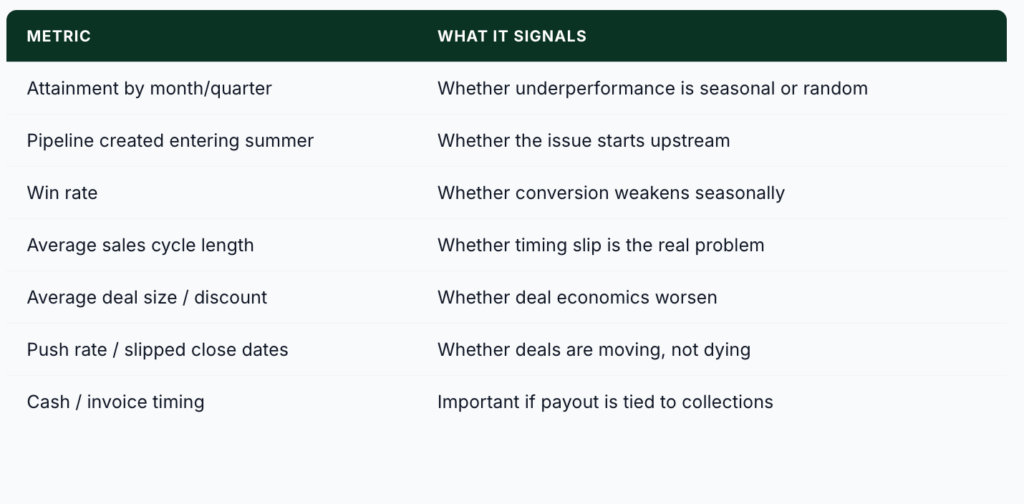

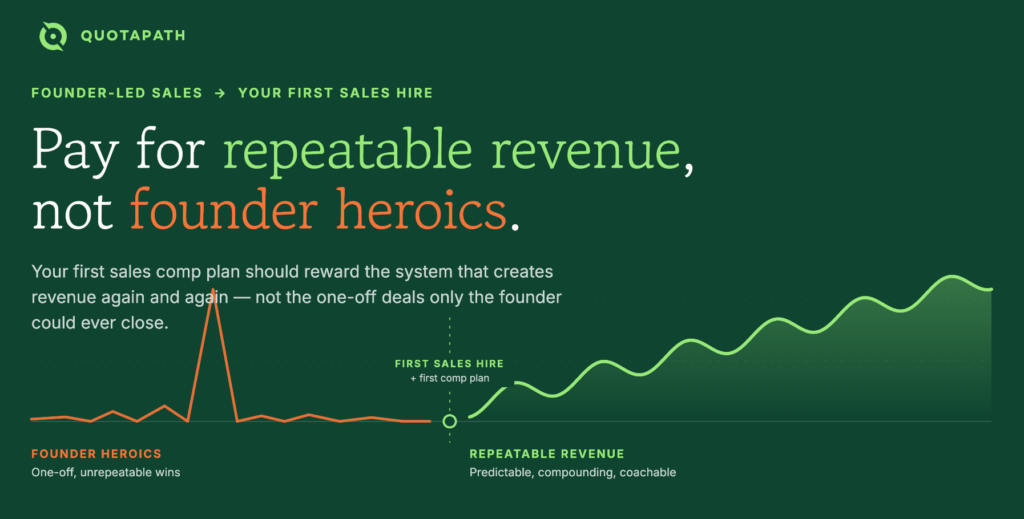
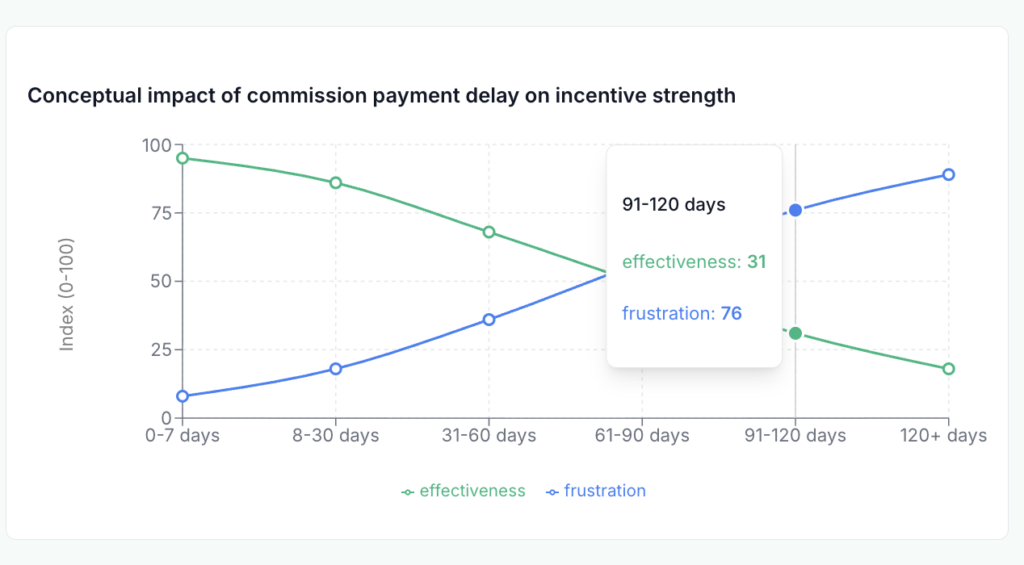

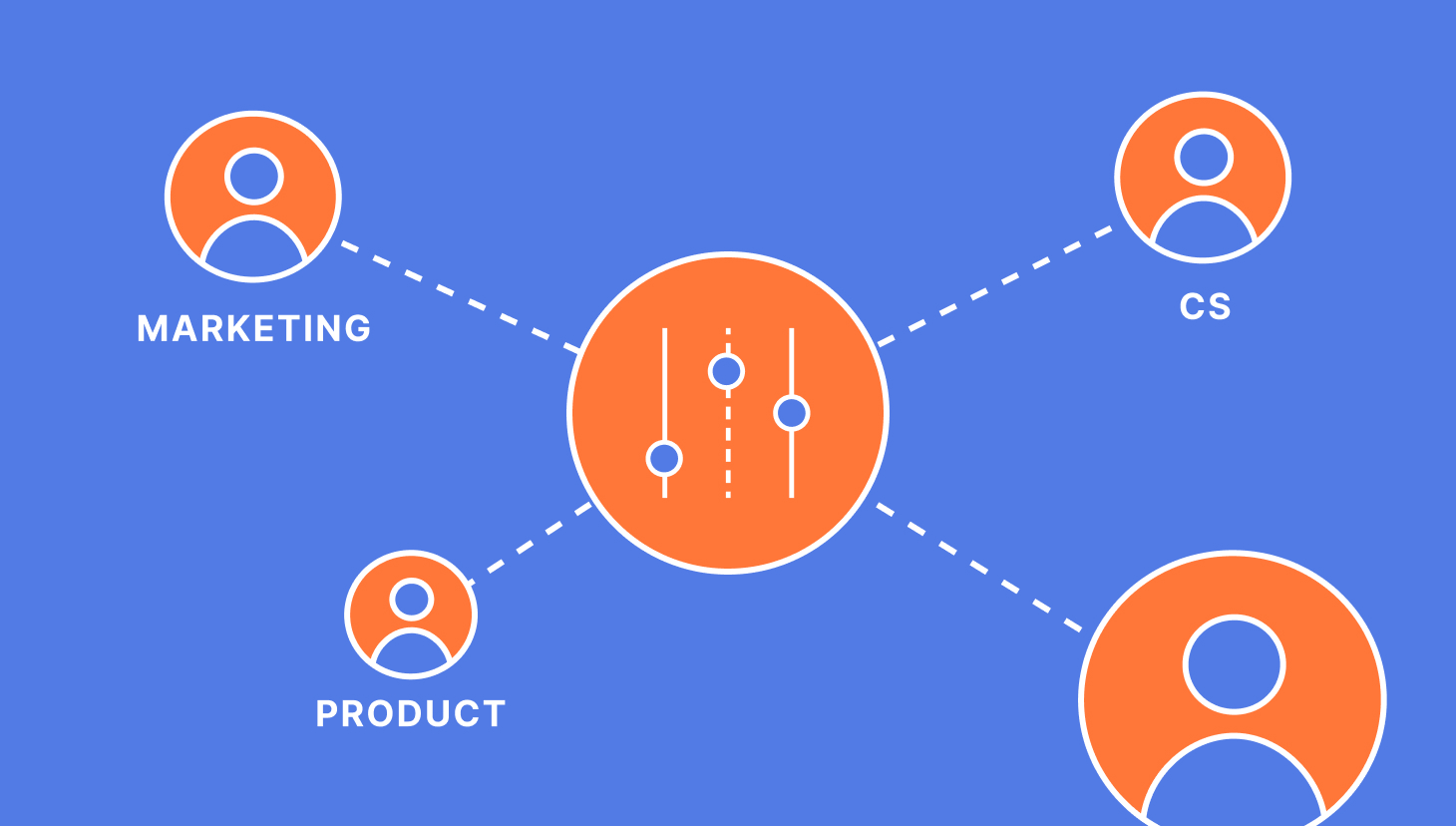
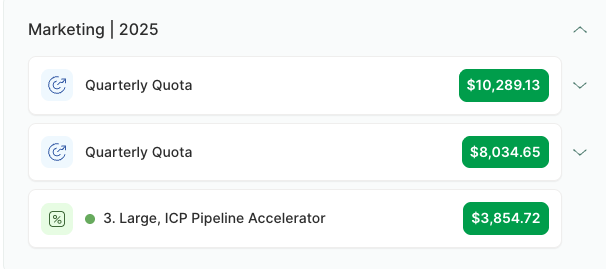
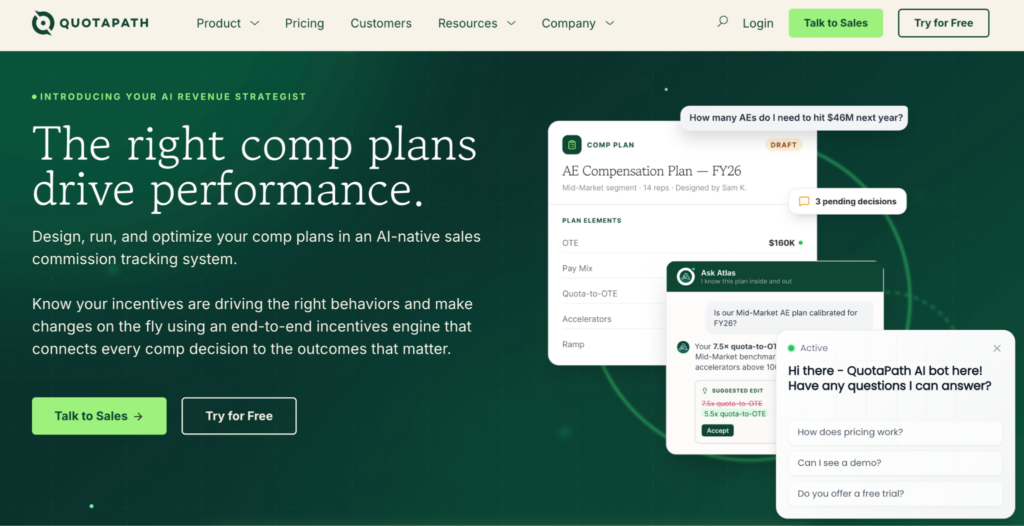
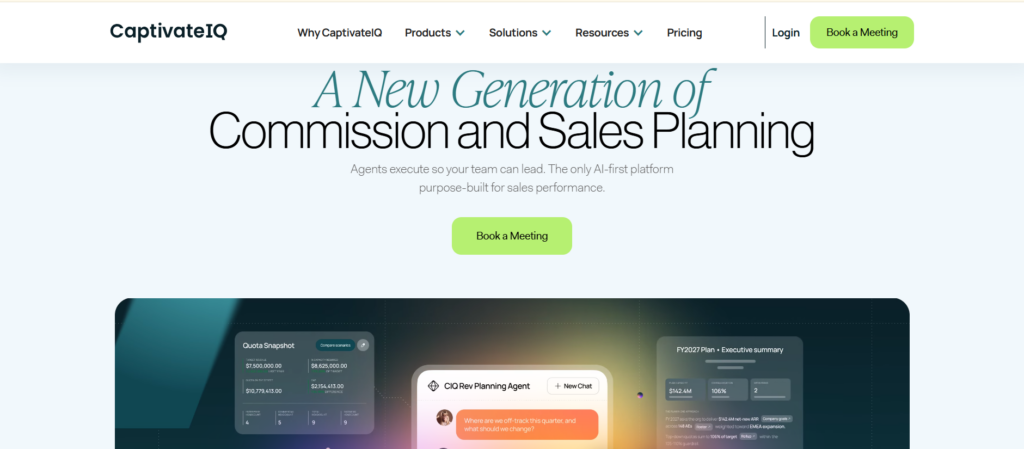
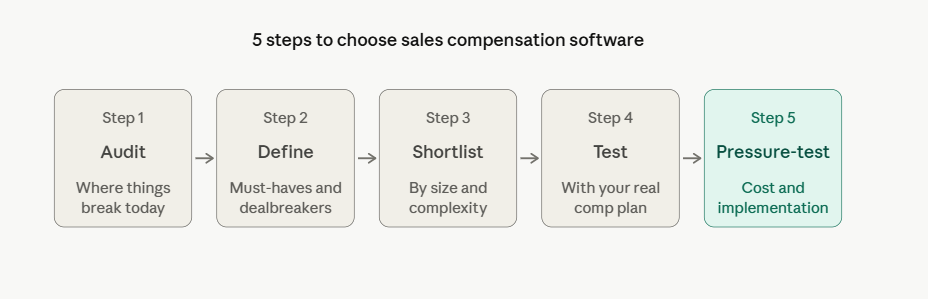
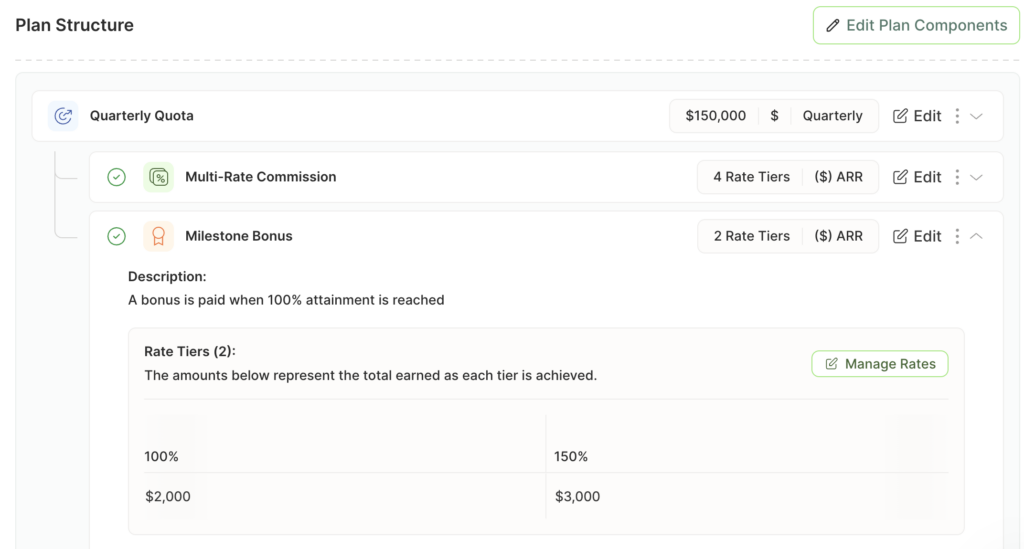
Recent Comments