Year-end close is revealing uncomfortable truths for many finance teams: commission overpayments have been accumulating throughout the year, and expenses that seemed reasonable suddenly balloon beyond budget projections.
As December wraps up and finance teams compile annual reports, many discover commission overpayments that accumulated throughout 2025.
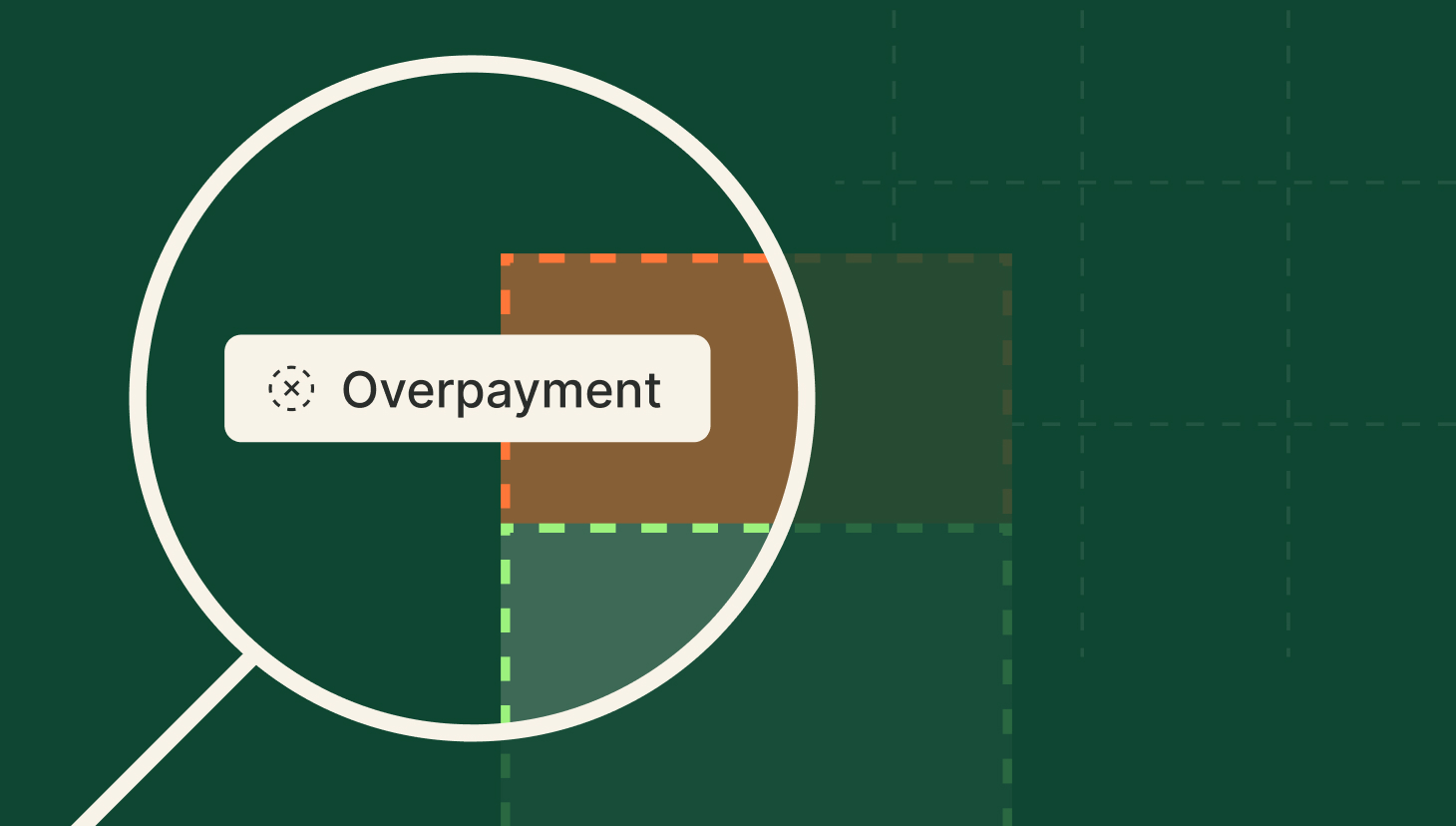
These hidden costs, often 25-35% of deal revenue, don’t appear in standard reporting until it’s too late. By the time teams finalize 2026 budgets, they have inadvertently baked these inefficiencies into next year’s projections.

Total Commission Rate Calculator
Uncover the full cost of commissions per deal across roles with our free Total Commission Rate Calculator.
Use CalculatorSo, when multiple people touch a deal (like BDRs, AEs, SEs, managers), total commission costs can reach 30-35% without finance teams realizing it. Manual tracking makes these inefficiencies nearly impossible to spot in real-time.
Below, we’ll show you how to identify commission overpayment patterns, calculate the effective commission rate per deal, and implement systems to prevent these issues from impacting your 2026 budget.
The Hidden Cost Problem: Understanding Effective Commission Rate
First up is the hidden cost situation.
While most finance teams track individual commission rates, they’ll overlook the total cost when multiple stakeholders earn on the same deal.
Take for example, your AE closes a $100K deal and earns their standard 10% commission.
Seems reasonable.
But that same deal also pays the SDR 5% for the qualified lead, the SE 2% for technical support, and the manager 3% for oversight. Before you account for any accelerators or SPIFs, you’re already at 20% of deal revenue going to commissions.
“You blink and you’re paying 35% of a deal in total commissions once you add up everyone involved. That’s a hidden cost finance leaders need to track,” said Ryan Milligan, GTM Leader at QuotaPath.
We call this your deal-level total commission rate or effective commission rate.
It’s calculated by dividing total commission dollars paid (across all recipients) by the deal’s revenue. When this rate exceeds 30%, profitability suffers significantly.
Plus, these commission overpayment inefficiencies often only surface during year-end audits, when it’s too late to correct them.
Finance teams conducting year-end close right now are discovering overpayments from throughout 2025. Without addressing these patterns, they’ll carry forward into 2026 budgets, which are being finalized in the next few weeks.
Five Red Flags That Signal Commission Overpayment
So, what should you look for to spot overpayment? We highlight five “red flags’ below.
1. Multiple People Earning on the Same Deal
First, draw out who earns commission on a single deal and add it up.
Because when BDRs, AEs, overlays, and managers all earn commissions on one deal, costs compound quickly. An enterprise deal with $200K ACV can easily pay out 30%+ in total commissions across all contributors. Calculate your deal-level total commission rate to understand the true cost.
Accelerators and SPIFs That Compound Unexpectedly
Then look at your tiered commission structures.
While we design these to motivate sellers and reward overperformance, they can yield budget surprises if you’re not careful.
When multiple accelerators stack (quota attainment plus deal size plus product type) the effective rate climbs without visibility. Year-end data reveals these patterns only after the expense has already hit your books.
Lack of Commission Floors for Leadership Teams
Up next, ask yourself, “Do I have commission floors setup for my leadership teams?”
Leadership earning commissions on deals regardless of team performance creates commission overpayment scenarios. Strategic use of floors ,like requiring 80% quota attainment before commission eligibility, prevents overpayment and ensures alignment with business outcomes.
Manual Calculations Leading to Errors
You gotta drop the spreadsheet to exclusively run commissions.
“G-sheets for 300 reps across five segments is very difficult. Handling disputes, sending out statements … it was all anxiety-inducing,” said Jose Rodriguez, Sales Compensation Strategy at Rippling.
Manual spreadsheets accumulate errors throughout the year that only surface during reconciliation.
We’ve had customers cross-check their spreadsheets while evaluating QuotaPath, only to find they’ve overpaid/underpaid commissions by hundreds of thousands of dollars.
No Real-Time Visibility Into Commission Liabilities
Last up, think about how well you’re able to model next year’s plans. If you don’t have a strong modeling system in place, you’re adding unnecessary risk.
When finance teams can’t forecast liabilities accurately, commission accruals don’t match actual payouts. This inability to model scenarios based on current payout patterns means 2026 budgets are built on guesswork rather than data.
How to Calculate Your Effective Commission Rate
Alas, here’s how to fix it with a systematic approach to audit current commission costs before finalizing 2026 budgets:
Step 1: Identify All Commission Recipients Per Deal
List every role earning commission on deals: SDRs, AEs, overlays, SEs, managers. Include one-time SPIFs, accelerators, and channel partner commissions.
Step 2: Calculate Total Commission Paid Per Deal
Sum all commission dollars across recipients. For a $100K deal: $8K (AE) + $3K (SDR) + $2K (Manager) + $5K (accelerator) = $18K total.
Step 3: Divide by Deal Revenue to Get Effective Rate
Formula: (Total Commission $ / Deal Revenue) x 100 = Effective Commission Rate %. In our example: ($18K / $100K) x 100 = 18% effective rate. Flag any deals over 30% for investigation.
Step 4: Analyze Patterns Across Your Organization
Which deal types have the highest effective rates? Which teams contribute most to overpayment? Has the effective rate increased over time? QuotaPath’s reporting surfaces these patterns automatically without manual spreadsheet analysis.
Step 5: Project Impact on 2026 Budget
Multiply the effective rate by the projected 2026 revenue. Compare to current budget allocations. The gap between projected and actual commission expense is what you need to address before finalizing your 2026 plan.
Prevention Strategies for Your 2026 Commission Plan
Use insights from your year-end audit to redesign 2026 commission structures that prevent overpayment.
Implement Commission Caps and Floors
Set maximum effective commission rates per deal (e.g., 25%) and add floors for leadership tied to team performance. An 80% quota attainment floor ensures managers only earn when their teams succeed, preventing commission overpayment while maintaining alignment.
Use Modeling Tools Before Rollout
Test 2026 plans against 2025 data using scenario modeling. Run attainment scenarios—what happens if 80% of reps hit 75% of quota versus 150%? “You never know when your business is going to grow in a meteoric fashion,” said Ryan Milligan. “You’re not going to pause mid-hypergrowth to fix commissions.”
Automate Commission Calculations
Manual processes led to year-end surprises, and automation prevents them.
At Hona, CFO Jordan Rupp recognized the risk of manual errors.
“It was kind of like a breath of fresh air… peace of mind more than anything. Nobody’s fat-fingering anything anymore,” Jordan said of his experience automating commissions with QuotaPath’s integration to HubSpot and Rippling
Real-time visibility prevents the accumulation of errors throughout the year.
Align Commission Plans with Business Goals
“Use the comp plan to show sellers how they’ll earn more for bringing in long-term, ICP-fit customers,” said Ryan Milligan. “Now Finance and Sales are aligned.” This strategic alignment reduces commission overpayment on low-value deals that don’t support your goals.
Build in Regular Review Cycles
Don’t wait until year-end 2026 to discover new problems. Implement quarterly reviews of effective commission rates and monthly reconciliation with financial reporting. QuotaPath’s ASC 606 compliance features ensure accurate revenue recognition throughout the year.
Design, track, and manage variable incentives with QuotaPath. Give your RevOps, finance, and sales teams transparency into sales compensation.
Talk to SalesSpot Commission Overpayment Before It Hits Your 2026 Budget
As year-end close reveals commission inefficiencies from throughout 2025, finance leaders have a critical window to address these issues before they’re baked into 2026 budgets.
Calculating the effective commission rate by deal exposes the 25-35% hidden costs that standard reporting misses. The five red flags (multiple stakeholders per deal, compounding accelerators, lack of floors, manual errors, and poor visibility) signal where your commission structure needs attention.
There’s no better time than now to look into this.
Finance teams are finalizing 2026 budgets right now based on year-end 2025 data. Addressing commission overpayment today prevents 12 months of compounding inefficiencies.
“Finance is always worried about overpaying. But worse than that is when reps don’t understand the generous plan you did build for them,” said Thomas Egbert, Head of Finance at Prefect.
The solution? Audit your current compensation structures using effective rate calculations. Model 2026 scenarios before finalizing your budget. And implement automation that prevents manual errors from accumulating throughout the year.
Use QuotaPath to audit your payout history, calculate effective commission rates, and forecast 2026 spend by plan.
Schedule a demo to see how we help finance teams spot commission overpayments before they impact next year’s budget.