Featured Blog
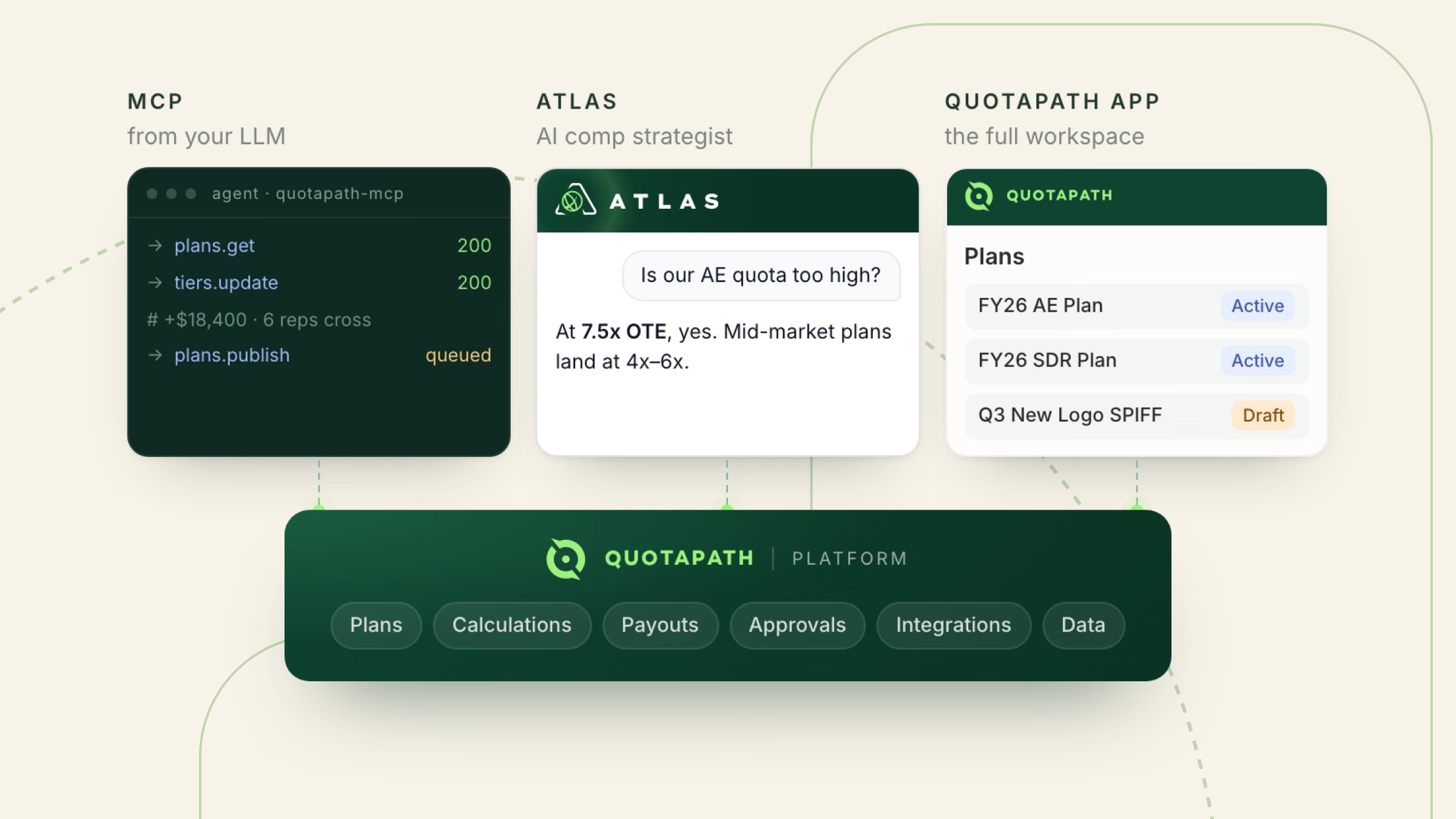
Meet the New QuotaPath: AI Comp Intelligence Where You Already Work
Comp is one of the biggest cost lines on the P&L, and nobody truly owns it. It runs on spreadsheets and vibes, mostly wrapped in good intentions. It breaks quietly...
Search Blogs
Blog
Sales
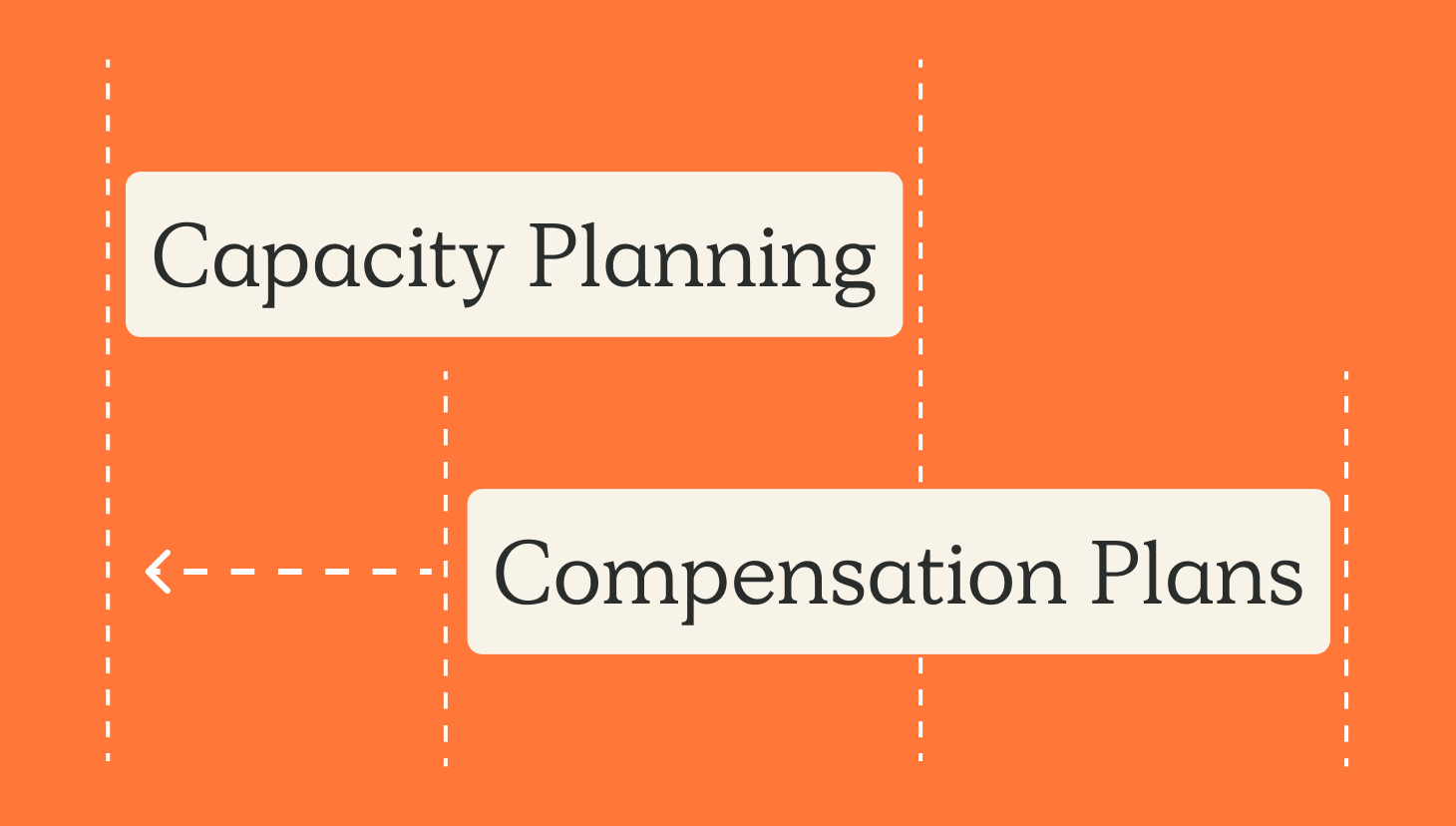
How to Align Capacity Planning with Compensation Plans
RevOps builds the capacity plan off a headcount target. Finance builds the comp plan off a market OTE benchmark. And nobody checks whether the two math problems share the same...

Product and Tools
Top Compensation Planning Software
Search the term “compensation planning software,” and you get two totally different kinds of software: tools for planning sales commissions and tools for planning salaries and merit cycles. Most buyers...

Product and Tools
The Five Best Software With Sales Commission Templates
Key takeaways A good template library means you can change a comp plan in the same week you decide to. Quotas shift, a new role gets added, an accelerator needs...
Product and Tools
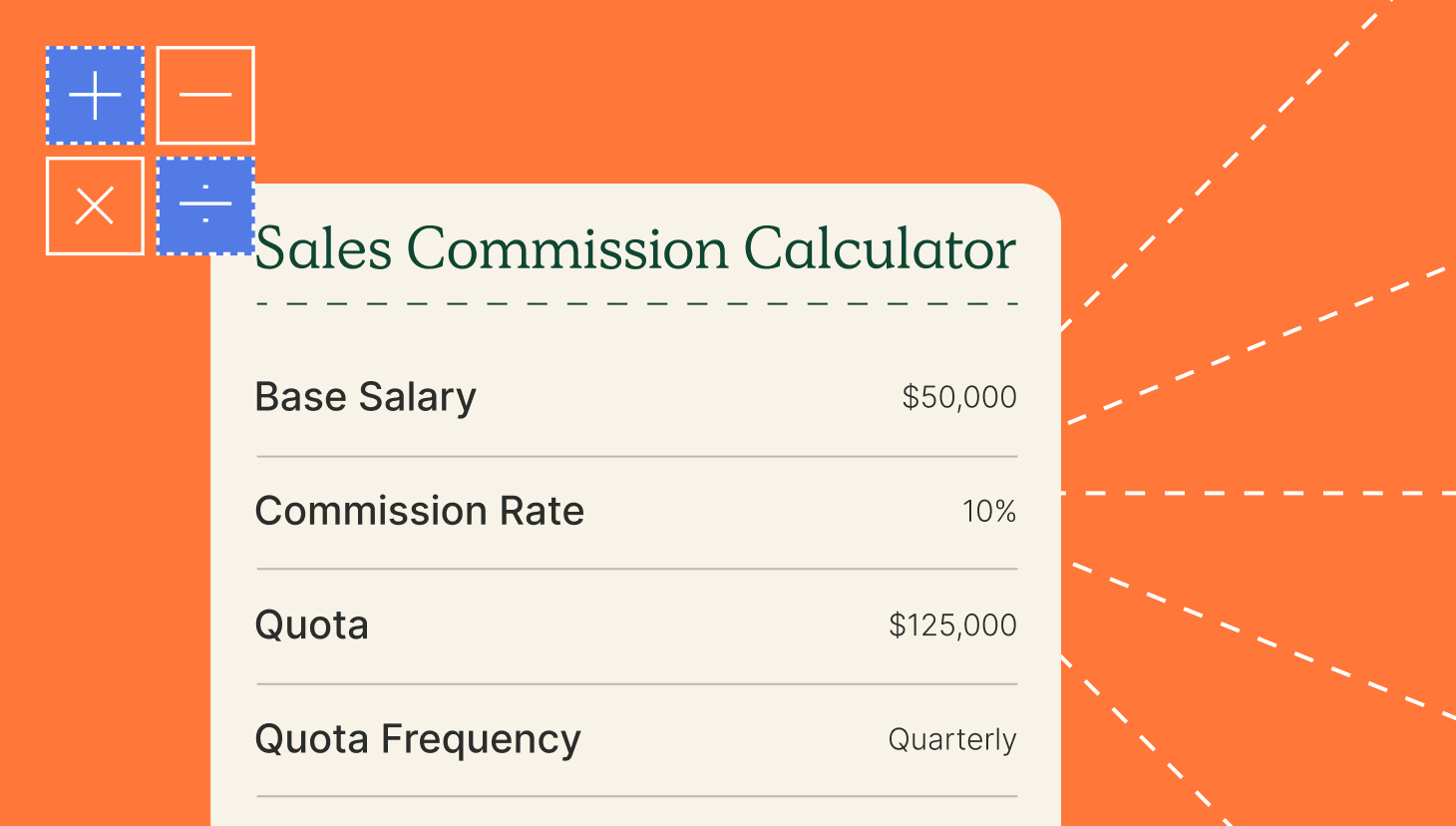
Best Compensation Calculator Tools
Key takeaways Supply a base salary, a quota, and a rate, and the tool returns a correct answer to the question you asked. Whether that answer is worth acting on...

Sales
How Ramp Time Impacts Sales Capacity (and Revenue)
Most revenue leaders can tell you their headcount plan for the quarter. But you know what they often can’t tell you about? Their capacity plan. This gap is where sales...
Sales
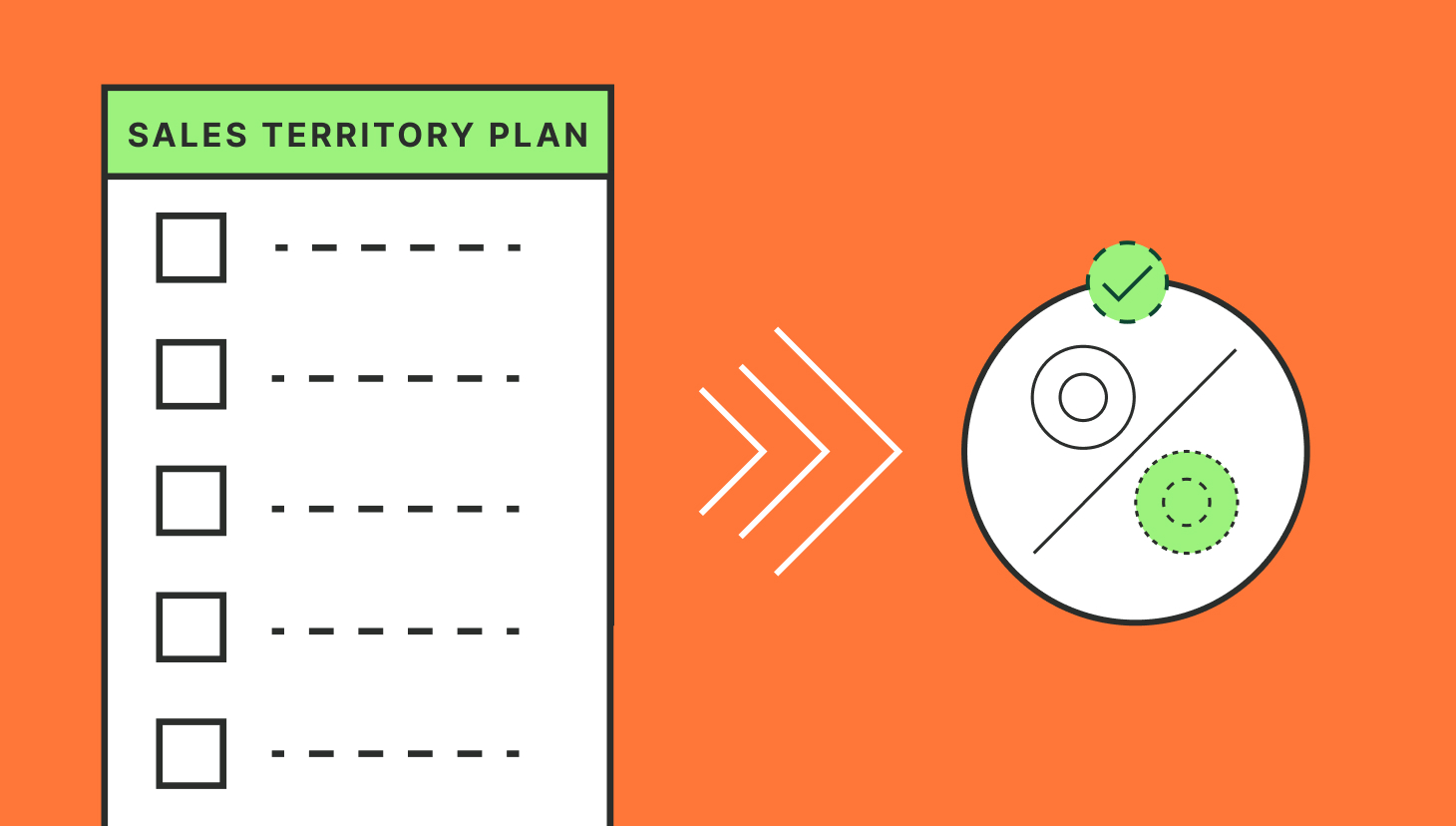
How to Create a Sales Territory Plan That Drives Quota Attainment
Every territory line drawn creates winners, losers, and compensation disputes. Differences in market potential, account mix, and selling opportunity can make the same quota more attainable in one territory than...

Leadership
How to Build a Sales Capacity Model (Step-by-Step)
A sales capacity model is a disciplined way to answer one finance question: how many fully productive sellers do we need, when do we need them, and what revenue should...
Leadership
Why No One Wants to Own the Comp Process
Ask a RevOps leader who owns the commission process, and they’ll tell you it’s Finance’s job, since Finance owns the expense line. Ask Finance, and they’ll tell you it’s RevOps’...

Product and Tools
Best Compensation Design Software in 2026
Key takeaways QuotaPath ranks first in this guide for handling the design decision and the payouts that follow. A plan commits your company to a cost per closed deal for...