Significant market changes throughout 2023 caused many leaders to rethink their business strategies for the year.
For instance, the slowest quarter (Q1 2023) for capital raised and the lowest number of funding rounds since 2017 led to a drop in venture capital by 45%. Only in the third quarter did we see signs of a rebound with Arm, Instacart, and Klaviyo’s initial public offerings.
As a result of the first half of the year’s slog of a start, revenue teams revamped their go-to-market goals to focus on metrics that measure business efficiency, such as customer acquisition cost and gross revenue retention.
However, many leaders left their revenue team’s compensation plans untouched instead of re-directing them to match and drive these new metrics.
Objectives of this sales compensation trends report:
Identify where the disconnect between Finance, RevOps, and Sales Leadership occurs
Explore the challenges faced by organizations during the compensation plan design process
Uncover the biggest holes when managing commissions
Offer guidance for success in 2024
Report methodology
To shape our report, we collected 450+ responses during the first half of 2023 from RevOps, Finance, and Sales directors, VPs, and C-level executives. These leaders primarily work in SaaS and at tech-adjacent companies with over 100 employees from the United States and the United Kingdom.
In conducting the survey, we collaborated with Global Surveyz, an independent survey company.
Streamline commissions for your RevOps, Finance, and Sales teams
Design, track, and manage variable incentives with QuotaPath. Give your RevOps, finance, and sales teams transparency into sales compensation.
100% struggle with the compensation plan design process
Whether it is your first time building a comp plan or your 500th time, leaders agree that the compensation plan design and execution processes need work.
A disconnect exists between how RevOps, Finance, and Sales view the success of compensation plans
While 12% of Finance leaders felt confident that their comp plans aligned with their business metrics, only 1% of RevOps did.
Most sales representatives find their compensation plans difficult to understand
It takes reps 3-6 months to understand their comp plans.
This leads us to our last key takeaway — and the most striking.
91% of organizations have less than 80% of their sales reps hitting quota
31% of leaders cited “unrealistic quotas” as the cause
35% cited misaligned sales activities
32% attributed it to lack of motivation
Our report also unpacks the biggest challenges with sales compensation plans, top struggles during the design process, most needed areas of improvement in managing compensation, and how these impact rep performance and retention.
The best part?
Each section comes with tactical plays you can make to avoid these missteps in 2024.
Still, despite its increasing popularity and massive impact driving revenue, some confusion exists around the role, particularly on how it differs from Sales Ops.
RevOps aims to combine and align all the operations, systems, and data that support revenue teams throughout the revenue cycle to achieve more consistent and scalable growth. However, businesses that wish to transition from the traditional siloed and disparate operations teams to a consolidated RevOps team are left to decipher the difference between RevOps and Sales Ops.
Streamline commissions for your RevOps, Finance, and Sales teams
Design, track, and manage variable incentives with QuotaPath. Give your RevOps, finance, and sales teams transparency into sales compensation.
While Sales Ops optimizes the sales process and exclusively supports the sales teams in lead generation, lead qualification, and opportunity management, RevOps takes a more holistic approach to revenue generation and encompasses all aspects of the customer lifecycle, including marketing, sales, and customer success.
But there’s more to it than just that, and to help us understand the difference between Sales Ops and RevOps, we connected with Christian Freese who made the move to RevOps two years ago.
Below, check out our Q&A and learn how Christian prepared for the role change and advice for those looking to do the same.
Meet Christian Freese
Christian Freese, who kicked off his tech Ops career in 2014 at the Bay Area logistics company OnTrac, worked in Sales Ops for 7 years. During this time, he developed a keen interest in RevOps, seeing the need for a more cohesive operations team. This inspired Christian to pivot to RevOps in 2021 at Tapcart. Then in 2022, Christian founded RevPal, a RevOps as a service company that drives predictive revenue by strategically integrating GTM teams, tools, and processes to increase lead quality and enable sellers to sell more.
RevOps vs Sales Op: Q&A
What is your background in SalesOps and RevOps?
Christian: I started in sales operations at the beginning of my career. I was hired as a sales admin at the first tech company I worked for while attending college and saw an opportunity for improvement from the start.
As a sales admin, I checked boxes: we shipped the PO, made sure it went to the right address, and moved it over to CS. As I did this, I noticed many inefficiencies between the go-to-market (GTM) team handoffs, like marketing, sales, customer success, and partnerships. So, I jumped in and started interfacing with the GTM leaders and fixing the systems.
I found a passion for it, and after about two and a half years, I got laid off. Then, I became an analyst on the deal desk side for Aerohive Networks, where I gained good exposure. Although technically a Sales Operations analyst, I sat on the deal desk and reported directly to the senior director, who reported to the CRO. That enabled a ton of visibility for me, and I started to see the benefits of not having siloed sales ops.
That’s how I ended up in RevOps at a company called Contentful.
After Contentful, I was ready to head my first RevOps team. So, I jumped over to a company called Tapcart, where I was hired as their first RevOps hire, Director of Revenue Operations. This was a series A company fresh off funding, and I built a team from one to four people before my departure.
What inspired your shift to RevOps?
Christian: I was ready to contribute to the bigger picture. I wanted to get into RevOps because things tend to get lost in transition when you have so many people across different GTM teams handling them.
My initial interest in RevOps sparked from my desire to get better across the entire funnel — not just the top.
“I wanted to work with a VP of Marketing on campaigns and messaging, a Customer Success leader on retention and customer satisfaction, and a Sales leader to drive revenue by coming up with strategic outbound plays. But I also wanted to drive revenue.”
Christian Freese
What are the key differences between RevOps and Sales Ops?
Christian: In Sales Operations, you’re more top-of-funnel focused. You’re typically under the VP of Sales, which is your focus. When you have a sales operations org, that generally means you have other siloed GTM teams like Marketing Operations or Customer Success Operations, all of which hold a piece of the pie.
By contrast, RevOps oversees everything that drives revenue: customer success, marketing, sales, and partnerships.
How did your responsibilities change?
Christian: When you move from SalesOps to RevOps you go from worrying about one department to the organization as a whole. Your level of responsibility is so much greater with RevOps because of its holistic overview of the company, not just a singular focus.
What challenges did you face in moving to RevOps?
Christian: In Sales Ops, I only had to get close to the VP of Sales. That was my job. I needed to gain his trust, build these metrics, and alert him if the pipeline was down. But, in RevOps, you need to do that for four, five, or six individuals — plus the board.
You’re also dealing with a lot of different personalities.
You might have the most amazing VP of Customer Success who is open, you provide visibility, and a VP of Sales who might be a bit more standoffish. So, you need maturity to know how to approach these situations and gain their trust. Because if you don’t trust one GTM leader, then everything you’re doing is all for not.
Then, there’s this common misconception that RevOps is just someone who should be Salesforce certified and take orders. This may be true of RevOps managers while they’re still learning the ropes to become leaders. But, a RevOps leader should look two miles ahead and let you know if there’s anything coming.
The challenge is ensuring they understand I’m not just some back-office guy building your Salesforce instance. I’m here to alert you when the pipeline is dangerously low. I’m looking at the business bank account, understanding that we have one or two years of runway.
I overcame these by developing organization and communication skills to stay on top of all the details and build trusted relationships.
Try QuotaPath for free
Try the most collaborative solution to manage, track and payout variable compensation. Calculate commissions and pay your team accurately, and on time.
What other opportunities did you see in shifting to RevOps?
Christian: RevOps sometimes morphs, at least in the B2B startup world, into business operations. Because I’m checking in with the CEO every week, we’re going over the runway, we’re talking spend, and we’re talking about where we can cut costs to avoid these layoffs.
Is it common for organizations to have both SalesOps and RevOps teams?
Christian: That would be very odd to have a revenue operations team, a sales ops team, and a marketing ops team.
You might see this at a business in transition with a siloed sales ops team trying to bring operations together by hiring a well-established revenue leader. Otherwise, it is not common.
What’s surprised you about the role of RevOps, or what have you learned since moving to RevOps?
Christian: The downplay of the importance of the role. It’s common to hear RevOps professionals feeling left out and not getting a seat at the table, even when you provide that guidance to the company.
This is where it goes back to building that trust, those relationships, communicating, and ensuring that you don’t fall into the system admin type of thing. But I was surprised at just having to do that. Someone hired me and paid me a generous salary with all these shares and perks. Yet, it’s like, “What do you RevOps guys do?”
At first, I thought it was me. So, I started networking with other revenue operations pros with three times as much experience as I do. And it was the same story across the board.
The key is bringing alignment across the different organizations.
The problem is that many companies hire someone as the Director or Head of RevOps who doesn’t have leadership experience. So, you’re setting people up to fail unless they’re naturally just good at figuring out how to get a seat at the table.
Lastly, what advice would you offer someone looking to make the same move?
Christian: I would spend the time you’re in sales ops to learn and build those relationships internally with your current company. If you’re not working for somebody, join RevOps Slack groups and get some mentors.
Start understanding the full funnel view of a company, from the inception of a lead to an opportunity, a deal, the handover to CS, and through to an upsell or cross-sell. Understand the responsibilities of every GTM function. You don’t have to be an expert in each one because a good RevOps person, in my opinion, is a generalist.
“Anyone who learns each role will be one of the best in this business. That’s the secret sauce.”
Christian Freese
They know a little bit about everything and have the leadership ability to build a team that can really build out what you’re planning.
Also, get familiar with what OKRs are and how companies plan their OKRs. Then, learn how you can start aligning all the teams to drive that one OKR metric that drives the company forward.
***
Christian added his closing thoughts: The RevOps space is one of the best communities I could have ever asked to be a part of. Rev Genius channels, RevOps Co-Op, or Remote POC, or whatever it is, are filled with people willing to help. I would reach out. They are all great communities!
Thanks for sharing your thoughts on the differences between RevOps and SalesOps, Christian!
About QuotaPath
QuotaPath supports RevOps professionals with resources and solutions that help them grow into their roles,automate sales commissions, providevisibility into compensation, and motivate reps through forecasted earnings.
Despite this widespread practice, we’ve found many companies get stuck over how to compensate their sales reps for monthly versus annual contracts.
To help, we compiled some suggestions below.
Defining “monthly subscription”
The first thing to remember is that two different monthly subscription models exist, and people often use similar terminology to describe them.
Option 1: An annual subscription that the customer agrees to pay monthly.
Option 2: A true monthly model, like Netflix or Spotify, where the customer can cancel after any month without repercussion.
Commissions on annual agreements
In a traditional SaaS model, the customer signs an annual agreement that the business bills annually, quarterly, or monthly. This contract legally binds the customer to a 12-month payment, regardless of when it’s collected.
When the customer signs an annual contract, companies honor commissions in several ways.
One way they might pay commissions is by rewarding the entire earnings amount upon receiving the customer invoice for the total annual amount.
Streamline commissions for your RevOps, Finance, and Sales teams
Design, track, and manage variable incentives with QuotaPath. Give your RevOps, finance, and sales teams transparency into sales compensation.
Alternatively, if your organization offers billing options, you could incentivize your reps to push for an annual payment upfront by paying a higher commission rate.
“I’ve seen companies pay 10% commissions for an annual payment upfront, then 9% if they agree to pay the amount in quarterly installments, and 8% on monthly payments,” said QuotaPath Chief of Staff Graham Collins. “Then you issue a clawback if the customer doesn’t fulfill the 12 months.”
Commissions on monthly subscriptions
Meanwhile, companies offering true monthly subscriptions have a few options to consider when honoring commissions.
They could pay the rep monthly, similar to a usage-based compensation plan, for the first 12 months. If the customer churns after 8 months, the rep stops earning commissions but does not have to pay back any previously earned commissions.
“The downside with this model is that the new biz rep becomes an account manager,” said Graham. “The other issue is that reps can rest on their laurels if they secure a monthly deal that meets or exceeds their monthly quota.”
Another option entails paying the annualized value at a reduced rate, or half the commission rate, upfront. Then, if they don’t pay 6 months of it, you claw back the commissions.
If you go this route, set the rate by looking at the average length customers “stick around.” For instance, if most customers stay on for 9 months, then you’d pay ¾ the commission rate because, on average, they exit after three quarters.
Free Sales Commission Calculator Template
A free spreadsheet to simplify the commission tracking process. Track what you or your team have earned in 4 inputs.
For additional support, we’re here to help. Contact our team to learn how QuotaPath partners with organizations on their sales compensation strategies, including compensation plan design, commission management, and payments.
Or, skip the chat and head straight to experiencing our platform in a free trial of QuotaPath.
Sales compensation reporting refers to tracking and analyzing sales compensation data.
Companies might manually create their compensation dashboards, enlist the help of compensation reporting tools like QuotaPath, or conduct it manually in a spreadsheet. But the biggest thing to remember is that sales commission reports must comply with state laws and regulations regarding security, tax processes, and anti-discrimination legislation.
Below, we dive into how to create or write an effective compensation analysis, design a reporting system, tips for driving performance, and more.
What is sales compensation reporting?
Sales compensation reporting is the process of tracking, analyzing, and reporting on sales compensation data. This data can track sales performance, identify trends, and make informed decisions about sales compensation plans.
Streamline commissions for your RevOps, Finance, and Sales teams
Design, track, and manage variable incentives with QuotaPath. Give your RevOps, finance, and sales teams transparency into sales compensation.
Ready to begin writing or revising your sales compensation reports? Start here.
The tables below show who should be involved, what data should be included, and then steps to execute it.
Remember, the data in your report will depend entirely on your compensation plan. But the most common elements are:
Deal name
Rep name (owner)
Close date
Amount
Payment date (if applicable)
Deal type (if applicable)
Contract length (if applicable)
Payment terms (if applicable)
Products sold (if applicable
Sales performance reporting
Including sales volume, revenue generated, expenses incurred, and other metrics that measure sales performance
Compensation data
Salaries, commission rates, bonuses, quotas, rates, and other forms of compensation that your reps earn
Employee data
Names, job titles, tenure, and other demographic information
Company data
Sales targets, compensation philosophy, and policies that impact sales compensation, such as commission clawbacks, commission reconciliation, or draws
This report should include a collaborative effort from people across your organization. We recommend ensuring the following have a seat at the table:
Sales leadership
VPs, directors, and managers are closest to the sales team and should have an excellent grasp of the compensation structures
RevOps
Your RevOps team, if applicable at your company, will have the greatest insights into how well (or not well) the compensation plan is performing based on revenue, time-to-close, and rep performance
Finance
Finance can provide valuable insights into the company’s financial performance and the impact of sales compensation on the company’s bottom line
Reps
Gather rep feedback to include in your reporting so that you can ensure your analyses tell a meaningful story that motivates reps
Human Resources or People
HR professionals are experts in compensation law and best practices
Once you have data and your reporting council set, it’s time to write the report. Follow these steps.
Step 1: Identify the purpose of the report.
What do you want to achieve by writing this report? Do you want to track sales performance, identify trends, or make informed decisions about sales compensation plans? Setting clear goals ahead of time will help you determine what data to include and how to present it.
Step 2: Gather your data.
This will depend on the purpose of the report. For example, you will need data on sales volume, revenue generated, and commission expenses incurred to track sales performance.
Step 3: Clean and analyze the data.
Check for sales compensation accuracy and completeness, and identify trends or patterns at the rep, team, territory, and/or product level. Look for holes. What data are you missing to tell the full story?
Step 4: Write the report.
The report should be clear, concise, and easy to understand using data visualization and copy to add insights and clarity. It should also be tailored to the audience who will read it.
Step 5: Distribute/present the report to explain the data.
Distribute to the appropriate stakeholders and set a time to guide your audience through the numbers. If you don’t want to hold a dedicated meeting, you could record a video that allows you to speak over your digital report.
As for how long to spend writing will depend on your company’s size and complexity, the report’s purpose, and the data needed. Take your time and avoid shortcuts. A well-crafted report should be accurate, informative, and easy to read.
Admin Home in QuotaPath
Designing a successful sales compensation reporting system
Whether you go the manual route of piecing together sales compensation insights or implementing a reporting system, ensure the reporting framework is consistent and visible.
Other best practices:
The system should be accurate and reliable with real-time or up-to-date data
Your reporting system should be user-friendly for all stakeholders and easily accessible
Distribute reports timely and when your stakeholders expect it. Set up weekly, bi-weekly, monthly, or quarterly cadences to run and present reports.
Choose a system that is flexible enough to meet the changing needs of the business
Use a secure system that protects the data from unauthorized access
Challenges and pitfalls
Report processes often include challenges and pitfalls. The biggest challenges with sales compensation reporting are maintaining the analyses to ensure data accuracy and timeliness, creating reports people can understand, and drawing actionable insights from them.
Let’s look into each issue below.
Gathering accurate data: Sales compensation data can be complex and difficult because it often comes from various sources, such as sales contracts, CRM systems, and payroll records. The more you integrate the systems, the easier it is to keep track of and maintain accuracy.
Creating clear and concise reports: Sales compensation reports can be lengthy and complex. Create clear, concise, and easy to understand by tailoring the reports to the needs of the stakeholders who will be using them. Remember, the report fit for reps will likely look different than a report for a Finance audience. Lastly, make sure that you explain the value of the data.
Making informed decisions: These reports can provide a wealth of information about sales performance and compensation. However, using this information to make informed decisions about sales compensation is important. This may involve adjusting the sales compensation plan or identifying areas where sales performance can be improved.
Staying compliant with regulations: Sales compensation plans must comply with various regulations, including the Fair Labor Standards Act (FLSA) and the Equal Pay Act (EPA). Staying current on these regulations and ensuring compliance with sales compensation plans is important.
By understanding the challenges of sales compensation reporting, companies can take steps to overcome them and create a successful sales compensation reporting system.
Automate the process
Save time and improve accuracy using a sales compensation management platform like QuotaPath
Use a centralized data repository
Got a RevOps team? This is a great project for them to stand up to make gathering and analyzing data easier.
Add reporting tools
Data visualization will make it easier to digest the data. Use a tool or commission reporting software that is easy to use and breaks up data into views that your stakeholders will understand.
Collect input
Ensure the reports meet your organization’s needs by gathering feedback from reps, leadership, the board, etc.
Review the reports
Evaluate and review reports to identify areas that need improvement
Stay up-to-date on regulations
Make sure your sales compensation plans remain compliant by staying abreast of compliance requests
Team sales commission reporting in QuotaPath
How to drive performance with reporting
Once your reports are finalized, you can leverage them to drive performance and revenue.
We recommend using reports to:
Prioritize coaching efforts
Identify gaps in the sales process
Find reps’ strengths to replicate across the team
Track and adjust low-performing sales tactics
Measure the success of SPIFs, multi-year accelerators, and other compensation components
Give your reps sales compensation visibility and how they’re performing to goal
Increase competition using team leaderboards
Gamify performance to increase morale
Get a pulse on sales pipeline health
Translate pipeline opportunities to potential earnings to motivate reps
The power of data visualization
We mentioned data visualization a couple of times so far.
Data visualization is the process of transforming data into visual representations that help to communicate insights and information. It can be a powerful tool for sales compensation reporting, as it can help to make complex data more understandable and easier to analyze.
Data visualization drives memory
People retain 65% of the information three days after watching an image with data compared to 10% of the information they hear. MIT also found that 90% of information transmitted to our brain is visual. (Source)
There are many different ways to use data visualization for sales compensation reporting. Here are a few examples:
Create charts and graphs: Charts and graphs are a great way to visualize data and track trends. They can show sales performance, compensation, and other metrics. Team leaderboards to ignite competition are especially useful.
Use color coding: Color coding can make data more visually appealing and easier to distinguish. It can be used to highlight different data points or to group related data together.
Designate icons: Icons can represent different data points or metrics. They can be used to make data more visually appealing and easier to understand.
Add text labels: Text labels can provide additional information about the data. They can be used to explain what the data is showing or to provide context for the data.
Sales managers and RevOps leaders can use data visualization to create more informative and easier-to-understand reports. This can help them to make better decisions about sales compensation and to drive sales performance.
Aligning sales compensation reporting with business goals
To get the best outcomes possible (revenue and reps hitting the targets) from your sales compensation plans, you should tie your plans and sales performance metrics directly to your business goals.
You can start by collaborating with your leadership team to decide on the key business metrics for the quarter or year.
“Then ask, can any of those priorities be reinforced with sales compensation design?” said Mark Roberge, Managing Director at Stage 2 Capital.
These include customer acquisition costs (CAC), gross revenue retention (GRR), net revenue retention (NRR), customer lifetime value (LTV), and sales cycle length and velocity.
For examples of how to tie this to your comp plan reporting, see a few in the table below.
Metric
Definition
Aligned to compensation
CAC
Customer acquisition cost (CAC) is the total cost of acquiring a new customer. It is calculated by dividing the total sales and marketing expenses by the number of new customers acquired.
Offer referral programs that reward employees for referring customers
GRR
Gross revenue retention (GRR) is a metric that measures the percentage of revenue from existing customers retained in a given period. It is calculated by dividing the total revenue from existing customers in the current period by the total revenue from existing customers in the previous period.
Give your customer-facing teams a SPIF or bonus for signing early renewals
NRR
Net revenue retention (NRR) is a metric that measures the percentage of revenue from existing customers retained in a given period after taking churn into account. It is calculated by dividing the total revenue from existing customers in the current period by the total revenue from existing customers in the previous period minus the amount of revenue lost due to churn.
Customer lifetime value (CLV) measures the total revenue a customer is expected to generate for a business over their lifetime. It is calculated by taking the average customer purchase amount and multiplying it by the average customer lifespan.
Encourage LTV by offering accelerators, or tiered commission structures, that reward higher earnings for
FAQs
Are there any compliance and legal considerations in sales compensation reporting?
Some states, such as California and New York, require employers to issue sales compensation policies (or commission agreements) that any employee paid under variable pay structures must sign. These laws also require the employer to sign off and are part of a greater effort to provide pay transparency to give workers more leverage to negotiate their earnings and close gaps in wages.
QuotaPath hosts this process in-app, via Plan Verification, to distribute new policies or updates and collect and track signatures.
People often ask us about commission rates. What should the commission rate be for a CS? What about an AE? How does this change with the compensation plan? Our goal with this article is to address these questions.
The common SaaS sales compensation plan consists of:
Base salary that’s 50% of on-target earnings (OTE)
For many companies, retention is now more or equally important than a new business, so commission rates for account managers and customer success managers (CS) teams have increased accordingly.
Below, we’ll go through how to set commission rates and rates by role.
Terms to know
Single rate commission: Also known as flat or fixed rate commissions, single rate commission means a salesperson earns the same percentage off the deals they close.
Accelerator: A sales accelerator rewards a salesperson for exceeding designated targets or goals. It is often awarded in the form of an additional bonus or incentive.
Cliffs or commission floors: A commission floor or cliff is a threshold that must be met before a salesperson can earn a commission. This element is often used to protect the business from compensating reps for mediocre performance while motivating the sales team to achieve designated milestones.
Decelerators: A decelerator is a lower sales commission rate that reduces earnings based on specific criteria. It can be used to discourage reps from closing less profitable deals or those less favorable to the business.
Bonuses: A bonus rewards earned by sales reps who meet or exceed established targets, whereas commissions are paid as a percentage of the value of deals closed. There are various types of bonuses including ranking, year-to-date, and milestone bonuses, and bonuses on multiple quotas.
Accelerators with multipliers: Accelerators with multipliers incorporate various rates that are multiplied by specific criteria to reward desirable sales behavior. For example, 10% earned on 1-year deals, 15% on 2-year deals, and 20% on 3-year deals.
How to set commission rates
How do you determine commission rates? It’s a straightforward calculation once you’ve established your on-target earnings (OTE) and quota.
For example, consider a 10% single-rate commission for an OTE of $120K, divided into a $60K base salary and $60K commission, plus a $50K/month quota. That works out to $60,000 annual commission / 12 months = $5,000 OTE per month. Then, $5,000 OTE per month / $50,000 quota per month = 10% commission.
Another way to approach the same scenario is to reward overperformance by offering an accelerator for reps exceeding 100% of their quota. We recommend accelerators that apply to monthly sales as an additional incentive. For example, your reps can earn 10% of their sales up to quota and 12% for all their sales when they meet or exceed quota. You can include multiple earnings tiers when implementing this option, but we recommend limiting it to no more than four tiers.
A milestone bonus for attaining a monthly quota is another possibility. This encourages consistent sales performance month after month. One way to implement this is by offering a $1,000 bonus for reps that hit their monthly quota and decreasing the commission rate to 8% while keeping OTE the same.
Ultimately, you must fiddle with the numbers until you determine what works best for your organization.
Commission rates vary by role, with sales reps typically earning the highest percentage from their sales and account managers, sales development reps, and sales directors receiving less. But, as we mentioned previously, this has changed a bit over the last year due to economic and market conditions.
Let’s review some commission rates by role.
Account executive: The typical commission rate on sales for an AE is usually 10%. Most sales incentive plans include accelerators to encourage and reward overperformance. This AE comp plan example and template depicts this scenario.
Sales development rep: SDR commission rates commonly fall between 2% and 5% if they earn a percentage from deals that close from leads the SDR generated. This arrangement is called the Closed Won Commission model.
Sales Director: Sales directors typically earn a commission for every deal their team members close. Commission rates paid to sales directors tend to be between 3% and 5%. Check out this blog for sales manager and sales director compensation plan examples.
Set commission rates to achieve business goals
The SaaS sales commission rate is typically 10% and varies by role as well as market conditions to incentivize sales rep behaviors that help the business achieve its goals.
Although a simple calculation can determine commission rates once you have set OTE and quota, there are multiple ways to approach this process. So, it’s advantageous to experiment with the figures to find the best method for your specific business.
For additional support in setting commission rates, use the following free resources:
On-target earnings, commonly called OTE, represents the dollar amount a sales rep can expect to earn if they hit their sales quota. This figure helps commission-based sales reps gauge earning potential for each position they consider when seeking a new role.
Companies often advertise attractive OTEs to secure great reps on their sales teams. However, it’s false advertising if the OTEs aren’t attainable or realistic. Getting it right is essential, or you risk losing top talent.
What is the average OTE of a sales rep?
In this post, we’ll examine this question in more detail by defining OTE, factors that affect it, how to set it, average OTEs by role, interview questions, what else reps can negotiate, and share our free OTE calculator.
Calculate OTE:Quota ratios
Use this free calculator to ensure your reps’ on-target earnings and quotas mirror what they’re bringing in for the business.
To set an OTE that balances enticement with reality, consider these key factors.
Industry and company size
Compensation for the same sales role within an industry and a similar size business should be comparable, but it’s common for smaller companies to offer lower OTE than larger corporations.
Individual performance and sales quota
OTE is commonly tied to a sales rep’s ability to meet or exceed their sales quota. For example, more experienced salespeople may have a higher quota and OTE when compared to a less seasoned sales rep.
Commission structure and base salary
The pay mix influences the OTE. For example, a greater percentage of variable pay can result in a higher OTE, but a higher percentage of base salary offers more stability and a lower OTE.
Region
Not only do OTEs vary by industry and company size, but they also differ based on geographic location. For example, OTEs within the same industry at a comparable size company may be higher in New York City versus Oklahoma City, OK.
How to set your OTE
In addition to the factors that can affect OTE, you must remember that your OTE should be unique to your business model.
Christina Brady, SVP of Sales at Spekit, said, “Standardizing comp plans and OTEs is meant to drive equity and fairness, but the denominator is often not the same. You often can’t look at overall metrics and averages in an industry because what goes into that?”
To tailor your OTE to your specific business, evaluate the following elements:
Years of experience: More years of experience often yield a higher OTE
Average deal cycle: Shorter sales cycles often mean more deals closed in a given period and lower OTEs.
Average sales price: A higher average sales price often equals a longer deal cycle and higher OTEs.
Region: OTE varies by region. For example, OTE is often higher in San Francisco than in Charlotte.
Size of quota:Quota impacts OTE and is usually tied directly to company size. For example, larger companies typically set larger quotas compared to OTE.
Revenue retention rates: If most deals are one-time sales, you’ll typically see higher OTEs.
“Many companies don’t understand the nuance of building a fair and equitable plan. Do the work and don’t look into only what’s fair in general,” said Christina.
Average OTE for Sales Reps
We agree with Christina, but having a starting point to ensure your OTE is at least in the ballpark is helpful. Below, we pulled data on average OTEs for sales reps across industries and how they vary by role and region.
Average OTEs for account executives (AEs) in different industries include:
Tech: $160,000
Biotech & Pharma: $165,000
Financial Services: $137,000
Health Services: $112,000
Manufacturing: $141,000
OTE is influenced by how much experience the rep has.
For example, an entry-level AE with 0-3 years of experience receives $140,000 – $200,000 versus a senior-level AE with 3-5 years of experience earns $160,000 – $250,000 OTE.
OTE also varies based on geographic location. An entry-level tech AE averages $150,000 in central and mountain time zones compared to $170,000 or more in New York City or San Francisco.
Streamline commissions for your RevOps, Finance, and Sales teams
Design, track, and manage variable incentives with QuotaPath. Give your RevOps, finance, and sales teams transparency into sales compensation.
OTE questions reps should ask in the interview process
OTE comparison is only useful if the OTE is realistic and attainable. Asking these questions during the interview helps reps delve deeper into compensation to decide whether the role, pay and employer match their needs.
1. What percentage of your team is achieving their OTEs?
2. What type of coaching do you offer?
3. What is the path to promotion, and what are those OTEs?
4. Can I speak to one of the reps who performed at OTE or higher?
5. What resources are available to help reps hit OTE?
What else can you negotiate in addition to base/variable comp?
You’ll find that some SaaS companies have non-negotiable OTEs and compensation packages to standardize it by role. However, that doesn’t indicate you should accept the offer.
“Companies expect you to negotiate,” according to Alexine Mudawar, CEO of Women in Sales, “If you get an offer, pause and show gratitude, and ask to review the information more closely after the call. Then review the list and see where you can sweeten the deal.”
Here’s a list of items often up for negotiation to consider:
Equity
Base Salary
Variable Comp
PTO
Education Budget
Severance
Title
Territory/Account List
Sign-on Bonus
Moving Expenses
Remote Work
“After 10+ years in tech sales,” Alexine shared, “I have yet to hear a single story of anyone losing a job offer due to trying to negotiate.”
Calculate OTE:Quota ratios
Use this free calculator to ensure your reps’ on-target earnings and quotas mirror what they’re bringing in for the business.
Do you need to check the health of your OTEs? Use our free resource, the Quota:OTE Calculator.
It’s easy to use (there’s even a quick tutorial video to review how it works), and this free tool helps you determine things like:
Are your OTEs realistic?
Are they too high or maybe too low based on the historical performance of your company?
Are your reps paying their way?
Realistic and attainable OTEs
Businesses need to set realistic and attainable OTEs. Deceiving sales reps by advertising inflated OTEs that none of your current reps achieve will backfire when they discover the truth.
Properly set OTEs based on key factors and the specific attributes of your company to help attract and retain top sales talent. Use our Quota:OTE Calculator to check the health of yours or when you’re planning to make changes.
Reps need to remember that OTEs vary by industry, experience, and geography when comparing OTEs between sales roles they are considering, then ask the right questions to deepen their understanding of the reality of the specific role. Once they have an offer, they can negotiate the details to sweeten the deal—it’s expected.
Setting up sales team structures at startups is tricky.
“Going from (a sales team of) 1-100 is really hard,” according to David Baga, CRO of Lyft. “The struggle is constant and rewarding.”
It’s not as simple as hiring top sales talent and having them sell your product. There is much more involved than that.
You’re still establishing product/market fit, who your ideal audience is, and the best ways to reach them. You need to run experiments to identify what works regarding demand generation, outreach messaging, rep types, and sales team structure.
Further complicating matters, things continuously shift and evolve, making it necessary to adjust based on what you are learning in real time.
Streamline commissions for your RevOps, Finance, and Sales teams
Design, track, and manage variable incentives with QuotaPath. Give your RevOps, finance, and sales teams transparency into sales compensation.
Your startup’s sales structure selection affects all aspects of sales, including lead generation, conversion rate, and speed to close. And as conditions change along the way, it’s important to recognize when to adjust your sales organization. Otherwise, you risk sales stagnation and customer dissatisfaction.
So, if you’re trying to figure out the best sales team structure for your startup, we’ve got you covered.
Factors that impact sales team structures at startups
There is no one-size-fits-all sales team structure. Consider the following factors to build the best sales organization for your business:
Stage of growth
Your stage of growth influences your needs and requirements. Early on you’re still working through product/market fit and determining the best way to reach your ideal customer. Where you are on your journey can dictate available resources, staffing requirements, and your need for flexibility.
Product/service
The complexity and variety of your products or services influence your sales team structure and team member selection.
More complex or diverse products may require highly specialized sellers to ensure a greater understanding of what they are selling.
Sales motion
The length of your sales cycle and how you sell your product affect your sales team structure. A transactional sale involving only one buyer requires a different type of sales organization than a more complex sale to a buyer team that necessitates collaboration and communication for success.
Account sizes
Selling to enterprise accounts is different than selling to small businesses. So, it’s common to structure sales teams based on account size. This enables reps to better understand the needs, challenges, and concerns of their specific prospects and sell more effectively to them.
Geography/market/territory
Consider the geographic distribution of your customers and how you plan to designate territories. Sometimes, it makes sense to group customers by geography if in-person engagement is needed to sell your product. However, you can divide territories based on geography, company size, industry, or alphabetically.
The market you are in may influence the sales team structure as well. You may want to look at successful competitors to see what’s working for them. You don’t necessarily want to duplicate what they are doing, but you can use it to reduce the experimentation needed as you get started. Then, you can adjust it to suit your needs.
Budget
Budgetary considerations are a key factor. Sales team costs include salaries, commissions, training, and sales tech. And a bigger sales team isn’t necessarily better. Sometimes a lean, scrappy, cost-effective team allows you to evolve and scale your sales team more effectively.
Now for some popular sales structures to consider:
The island
This sales structure, commonly used in traditional sales operations like real estate or financial services, gives sales reps minimal supervision. This sort of sales team includes a team of individual sales reps reporting to a sales manager. Sellers in this model are responsible for the entire sales process from lead generation to the close.
This structure is best suited for simple sales processes for products requiring one or two calls to close the deal. This structure has the potential to work in various industries but limits brand messaging control due to the inherent rep independence.
The assembly line
An assembly line sales structure got its name by imitating manufacturing. As the name would indicate, each rep on a team specializes in one aspect of the sales process and the team members report to the sales manager.
As a lead advances through the sales process, the prospect is handed off to the next sales rep on the “line.”
This structure creates a predictable business flow, makes identifying issues and adjusting accordingly easier, and is efficient. As you’re getting started, the biggest challenge here is initially having an insufficient number of reps. To overcome this challenge, break up the sales cycle differently across the reps until you can expand your team.
The Pod
The Pod sales team structure is like the “assembly line” structure, but the entire team works collaboratively and communicates continuously instead of individual team members working in isolation. These pods are tight-knit groups that are customer-centric.
So, instead of SDRs competing within your organization, teamwork is developed within each pod, and individual pods compete with one another as your salesforce grows.
Pods tend to develop stronger customer relationships, and each pod can focus on a different customer type, product line, or geography. Plus, pods tend to be more flexible and adaptable as conditions evolve.
Team variations
The island, assembly line, and pod sales team structures can be further adapted to your specific requirements as follows:
Geography/Territory
This focus allows individual sales reps or teams to learn the nuances of their specific geographic area or territory. They develop stronger relationships with those in their area and gain a deeper knowledge of competitors in their assigned region.
Assessing rep performance based on the potential of their market can be easier in a geography/territory structure but can be isolating for individual reps functioning in an “island” type team structure.
Product/Service Line
A sales team structure based on product or service lines makes sense when diverse offerings exist. This structure enables reps to develop a deep knowledge and expertise in their specific products, allowing them to communicate the value and use cases more effectively to potential clients to close more business.
Customer/Account Size
Setting up sales teams based on customer account size is a popular approach. This simplifies processes like hiring, training, and compensation.
Selling to SMBs is vastly different than selling to enterprise accounts because these businesses are organized differently and have different goals, buying processes, and budgets.
Industry/Vertical
Like many of these variations, an industry/vertical structure enables reps on these teams to become more deeply knowledgeable of their area of focus. These sellers are better equipped to position your offering meaningfully to prospects and have a deeper understanding of potential use cases.
As you implement your selected sales team structure, remember these best practices to boost your success.
Principle 1: Understand the company’s goals and objectives.
The sales team structure should be aligned with the company’s overall goals and objectives. This structure acts as the roadmap for achieving them.
For example, if the company aims to grow revenue quickly, the sales team structure should focus on generating leads and qualifying prospects.
Principle 2: Consider the company’s product or service.
The sales team structure should be tailored to the company’s product or service.
For example, if the company’s product or service is complex, the sales team structure should include technical sales reps who can understand the needs of their target customers.
Principle 3: Be flexible.
The sales team structure may need to be adjusted as the company grows and changes.
For example, if the company starts to sell to a wider range of customers, the sales team structure may need to be expanded to include more specialized sales reps.
Principle 4: Invest in training and coaching.
Sales reps are the face of the company, so it is important to invest in their training.
Make sure they have the knowledge and skills they need to be successful. Research by CSO Insights shows that reps who receive sales training and consistent coaching achieve 32% higher win rates and 27.9% improvement in quota attainment. And these results help you hit your growth numbers.
Principle 5: Create a comp plan fit for a startup and provide visibility into sales, attainment, and commission progress.
As your business scales, you don’t want to adjust your comp plans continually at every stage. So, keep your plans as simple as possible.
The key is to optimize to drive desired sales behaviors, but don’t change the plan every time you hire a new sales team member. Save the changes for major growth milestones, like when you have a salesforce of 50 sellers.
Sales reps are happiest when they know how much to expect in their paycheck. Keep reps motivated by giving them the visibility to track their attainment of personal and company goals.
Try QuotaPath for free
Try the most collaborative solution to manage, track and payout variable compensation. Calculate commissions and pay your team accurately, and on time.
Selecting the best sales team structure for startups is essential but tricky. Start by considering your growth stage, offering, sales motion, account sizes, and budget. Then, leverage them to guide your choice of sales team structure. As you’re implementing your new sales organization, remember to remember our best practices to increase your success.
Need help creating your first comp plan fit for a startup? Check outthis resource.
Then, see how QuotaPath can help you save time by automating commission tracking and payouts of sales compensation. Sign up for a free 30-day trial with QuotaPath, or schedule a chat with a team member.
This is a guest post on aligning compensation plans with business objectives written by RevPartners, a management and consulting firm that designs and executes revenue engines to supercharge their customers’ growth with services such as HubSpot Onboarding, RevOps as a Service, and SEO/PPC. Through automation and tools, the RevPartners team orchestrates, optimizes, and reports on their client’s marketing, sales, and operations processes. RevPartners’ mission is to democratize revenue operations by making it accessible, consumable, and actionable in HubSpot.
It’s vital for companies to have harmony between their compensation plans and business objectives. But this intricate and often complex task is not an overnight process. To do it right, companies need to take a holistic approach and blend strategic planning and execution.
Let’s take a look at some of the most important objectives for a business and how compensation plans can align accordingly.
Try QuotaPath for free
Try the most collaborative solution to manage, track and payout variable compensation. Calculate commissions and pay your team accurately, and on time.
One metric to consider is customer acquisition cost (CAC), which speaks volumes about a company’s health and efficiency. The lower the CAC, the more profitable the company is.
When calculating CAC, it’s important to consider all the expenses associated with acquiring new customers. This includes marketing costs, advertising campaigns, sales team salaries, and any other expenses directly related to customer acquisition. Companies can gain valuable insights into their overall financial performance by analyzing these costs.
Balancing CAC with employee compensation is essential. Pay structures that incentivize employees to drive down the cost of acquiring new customers can enhance a company’s profitability. However, ensuring that such incentives do not lead to compromised quality or customer experience is crucial.
Examples of how to align comp plans to CAC
Performance-based bonuses
Perhaps the most basic example is when companies offer bonuses based on the ability to bring in customers at a lower cost.
Referral programs
Companies can create/introduce employee referral programs that reward employees for referring customers who are more likely to be acquired at a lower cost.
Customer quality metrics
Companies can measure the quality of customers brought in by employees and align compensation with the long-term value of customers, ensuring that employees focus on acquiring customers who are likely to stay and spend more.
Long-term goals
When companies design compensation plans that consider the long-term impact of customer acquisition, employees could earn more if the customers they bring in have low acquisition costs and contribute to the company’s growth over time.
Recorded Webinar
Getting crafty with comp plans to maximize revenue efficiencies: Webinar recap
Gross revenue retention (GRR) is another indicator of business health. A high GRR means that a business retains its revenue, irrespective of its growth. Ensuring that compensation plans encourage practices that enhance GRR is critical.
Examples of how to align comp plans to GRR
Renewal performance bonuses
When companies provide bonuses to sales teams for successfully renewing contracts with existing customers, it encourages them to focus on acquiring new customers and retaining the ones they already have.
Customer health metrics
When compensation plans are tied to customer health metrics (e.g., usage frequency, satisfaction scores, engagement levels), employees who contribute to improving these metrics can earn additional compensation.
Retention-linked bonuses
If companies design bonuses that are tied to specific retention targets, teams or individuals who meet or exceed these targets can earn extra compensation.
Reducing customer complaints
Companies can create compensation plans encouraging teams to promptly and effectively address customer complaints. Fewer complaints can lead to higher customer satisfaction and retention.
Predictive analytics bonuses
When employees use predictive analytics to identify customers at risk of churning and successfully intervene and prevent churn through targeted efforts, they can receive bonuses.
Net revenue retention
Distinct from GRR, net revenue retention (NRR) considers the revenue growth from existing customers. An ideal compensation plan should both safeguard existing revenues (GRR) and cultivate growth (NRR).
Regarding NRR, it’s important to understand the significance of nurturing and expanding relationships with existing customers. By focusing on retaining and growing revenue from these customers, businesses can establish a stable foundation for long-term success.
Examples of how to align comp plans to NRR
Expansion revenue incentives
Companies can design compensation plans that provide additional rewards to sales and account management teams when they successfully upsell or cross-sell additional products or services to existing customers.
Customer satisfaction metrics
When companies link compensation to customer satisfaction scores or feedback, teams that maintain high customer satisfaction levels are rewarded for their efforts to nurture positive relationships.
Customer education success
Companies can reward employees who effectively educate customers about the full range of offerings and how they can benefit from them. This can lead to customers using more services and products, increasing their value.
Customer feedback utilization
Companies can give bonuses to employees who actively gather and apply customer feedback to improve products, services, and overall customer experience. This showcases a dedication to nurturing relationships.
Customer success milestones
Companies can create compensation milestones based on the length and strength of customer relationships. The longer and more successful the relationship, the higher the compensation.
Create Compensation Plans with confidence
RevOps, sales leaders, and finance teams use our free tool to ensure reps’ on-target earnings and quotas line up with industry standards. Customize plans with accelerators, bonuses, and more, by adjusting 9 variables.
Customer lifetime value (CLV) is a metric that businesses use to understand the net profit they can expect to generate from a customer over the entire duration of their relationship. Companies can make informed decisions about resource allocation, marketing strategies, and customer retention by analyzing CLV. The higher the CLV, the more beneficial it is for the company, as it indicates a greater return on investment.
Calculating CLV involves various factors, such as the average purchase value, purchase frequency, and customer lifespan. By considering these variables, businesses can gain insights into the potential value of each customer and make strategic decisions accordingly.
However, understanding CLV is important for financial forecasting and plays a significant role in shaping compensation design and employee motivation.
Examples of how to align comp plans to CLV
Tiered commission structures
Companies can implement tiered commission structures that reward higher commissions for customers demonstrating greater CLV. This encourages employees to prioritize customers who are more likely to make repeat purchases and remain loyal over time.
Profit sharing
Companies might consider implementing profit-sharing plans that tie a portion of employees’ compensation to overall company profitability, which can be influenced by increased CLV. This fosters a sense of ownership and encourages employees to work collectively to enhance customer value.
Long-term focus
Companies can design compensation plans that emphasize long-term gains over short-term wins. This discourages quick, transactional behavior and encourages strategies that enhance CLV over time.
Calculate OTE:Quota ratios
Use this free calculator to ensure your reps’ on-target earnings and quotas mirror what they’re bringing in for the business.
The sales cycle length and velocity significantly affect the rate of revenue generation and cash flow. A streamlined process usually indicates a more efficient team and organization.
Compensation plans that reward employees for shortening the sales cycle and increasing its velocity resonate with business growth. Incentives catering to these metrics ensure the business has a smooth cash flow and remains competitive.
The sales cycle length refers to the time it takes for a potential customer to move through the entire sales process, from initial contact to making a purchase. This can vary greatly depending on the industry, product complexity, and customer behavior.
A shorter sales cycle can have several advantages. First and foremost, it allows for a quicker revenue generation, as deals are closed faster. This can be particularly beneficial for businesses that rely on a steady cash flow to cover expenses and invest in growth initiatives.
Also, a shorter sales cycle can lead to increased customer satisfaction. Customers appreciate efficiency and promptness, and if they can make a purchase or get the desired solution without unnecessary delays, they are more likely to be satisfied with their overall experience.
Conversely, velocity refers to the speed at which deals move through the sales cycle. It measures how quickly prospects progress from one stage to the next, indicating the overall efficiency of the sales process.
A high velocity suggests that deals are progressing smoothly and efficiently, with minimal bottlenecks or delays. This can be achieved through effective lead nurturing, clear communication, and a well-defined sales process that eliminates unnecessary steps or redundancies.
Examples of how to align comp plans to sales cycle
Time-based incentives
Companies can introduce incentives that reward sales representatives for closing deals within a shorter time frame. This could be in the form of bonuses or commission multipliers for deals closed ahead of schedule.
Early progress bonuses
Companies can offer bonuses or rewards for hitting certain milestones early in the sales cycle. This approach encourages sales reps to maintain momentum and engagement throughout the process.
Win-win commission structures
Companies should design commission structures that balance sales cycle length with deal value. For example, higher commissions could be offered for shorter sales cycles, but also consider factoring in the overall revenue generated.
Lead scoring
Companies can introduce a lead scoring system that helps sales reps prioritize leads with higher potential to close quickly. Compensation can be tied to successful conversions of these high-priority leads.
Wrapping up
Creating a balance between business objectives and compensation plans involves continual monitoring and fine-tuning to determine what works best for the organization and its employees.
By focusing on the metrics identified above and aligning them with compensation plans, businesses can drive profitability, growth, and employee satisfaction concurrently. When compensation plans are in tune with business objectives, they pave the path for a win-win situation.
Looking for the right company to help align your sales compensation plans to your business objectives? Look no further than QuotaPath!
Boards are increasingly calling for improved business efficiencies today. This should come as no surprise after a bank crisis, massive layoffs, and a recession still looming on the horizon.
Many companies have shifted their focus to shore up their growth efforts via customer retention and related metrics for efficiencies, including customer acquisition costs (CAC), increased customer lifetime value (LTV), net revenue retention (NRR), and gross margin.
Adjusting your sales compensation plan supports these goals by incentivizing the right sales behaviors and discouraging costly actions.
This post reviews 10 compensation levers to help you drive business efficiencies and meet your organizational goals.
Try QuotaPath for free
Try the most collaborative solution to manage, track and payout variable compensation. Calculate commissions and pay your team accurately, and on time.
One of the keys to retention is successful onboarding. In fact,86% of survey respondents said they’re more likely to remain loyal to a business that invests in onboarding. To encourage your customer teams to deliver exceptional onboarding experiences, consider offering bonuses (i.e.: $100) or SPIFs to your customer-facing reps who earn the highest NPS scores tied to onboarding.
9. Bonus on better payment terms
Positive cash flow is essential during challenging times as it provides a buffer against future financial difficulties. To address cash flow in your comp plans, promote better customer payment terms by SPIF’ing reps on deals that sign with Net 30/Net 60-day payment plans.
8. Reward ICP deals with higher rates
Your ideal customer profiles (ICP) are the ones who see the most success on your platform and are the most likely to renew. These customers tend to have greater LTV and future upsell/cross-sell potential. To promote retention and contain CAC, offer higher commission rates for any new business deal that aligns with your ICP.
7. Reward SPIFs or kickers for products that generate higher gross margins
At organizations that offer multiple products, you’ll often find that some products generate more profit than others.
To motivate your team to sell and upsell those ones, pay your team higher rates on new business or renewals, including products that yield higher gross margins.
6. Comp as high (or higher) on upsells
Many companies offer lower commission rates on upsells than net new business. But during an economic downturn, upsells are one way to continue to grow your business. If a key metric for your business this year is NRR (net revenue retention), you should pay as much as new business, if not more, for upsells.
For example, if you pay 10% on new business, consider paying 12% on upsells.
5. Use decelerators on deals that threaten gross margin
As much as we’d love to think every deal is good, that’s not always true. Some deals fall outside of ICP and require intense technical assistance and investments to ensure a successful implementation. This increases onboarding costs and drains valuable resources.
To solve for gross margin and to encourage your reps to focus on the deals with more efficient onboarding, pay a decelerated commission rate on deal types that require more resources.
4. Award a bonus or higher commission rate on non-discounted deals
Who here has a discount-happy sales team? Let’s promote full-price deals by adding an extra $100 bonus (for example) on top of every deal that closes without a discount.
Incentivizing your sales team to sell at full price encourages them to focus on selling value and improves CAC.
3. Shift commission payments to invoice payment
Is cash flow a concern? If so, and if you’re paying commissions at the time of contract signature, switch to commission payout eligibility at invoice payment.
This reduces chargebacks and enables you to issue commission payments with funds collected instead of funds anticipated.
Streamline commissions for your RevOps, Finance, and Sales teams
Design, track, and manage variable incentives with QuotaPath. Give your RevOps, finance, and sales teams transparency into sales compensation.
Early renewals shore up revenue and prevent unexpected dips in cash flow due to delayed renewals.
To address retention and improve GRR, offer fixed bonus rates for renewals that AMs bring in early. For example, give $150 on renewals that close 90 days ahead of schedule and $100 for those 60 days in advance.
1. Pay higher rates or SPIFs on multi-year deals and renewals
Multi-year contracts are your biggest ticket to predictable revenue on the renewal side and on the new biz size. The best way to get your team to present multi-year options is to pay them more when they sell them.
Adjust your compensation plans with these levers to achieve business efficiency improvement where you need them most. You’ll stabilize your revenue, minimize risk, and encourage business growth.
Sync your CRM, like HubSpot or Salesforce, build your comp plan in a few steps, or use one of our compensation plan templates, and invite team members to begin tracking compensation immediately.
For our HubSpot customers, we have continued to direct time and resources into the HubSpot commission tracking integration to ensure a seamless experience in calculating and paying sales commissions.
It has paid off.
Since 2021 (when we launched the integration), we have earned the most installed sales compensation tool on the HubSpot marketplace.
And today, HubSpot named QuotaPath one of 20 Essential Apps for Sales.
Learn more about our partnership and integration below.
How QuotaPath enables HubSpot commission tracking
QuotaPath ingests data directly from HubSpot to provide a transparent and accurate sales compensation source of truth for Sales, RevOps, and Finance teams.
With QuotaPath and HubSpot:
Automate commission tracking
Provide team-wide visibility into sales compensation
Build sales compensation plans effortlessly in-app with a flexible plan builder
Align compensation plans to financial goals
Motivate and rally selling behaviors around business targets
Streamline earning calculations, deal approvals, payments, and amortization of commissions
Our integration also includes quick implementation times to set up fully, real-time data syncs, customizable mapping of fields, and rep-level commissions viewable directly in HubSpot. We wear the “HubSpot Certified App” proudly, too.
“When I’m reviewing commissions in QuotaPath, I’m not checking to see if they’re right in QuotaPath. I’m checking to see if the deals and fields in HubSpot are correct. Knowing that the data comes from HubSpot is a huge peace of mind. I can trust it,” said Katie Cooper, Muck Rack’s Senior Business Manager of Business and Data Operations.
Try QuotaPath for free
Try the most collaborative solution to manage, track and payout variable compensation. Calculate commissions and pay your team accurately, and on time.
We mentioned earlier that our HubSpot integration involves a pretty seamless setup. In fact, it’s as easy as a three-step guided process.
First, sync QuotaPath with HubSpot in one click. This can be done directly within QuotaPath.
Next, map your compensation plans to your data. Once your HubSpot data begins feeding into QuotaPath, you’ll need to train QuotaPath which HubSpot fields map to your QuotaPath fields.
Then, assign plans to the variable-earnings members of your team.
We want you to have full commission transparency with your HubSpot data – across all departments in your company. If you want to learn more, schedule a call with our team or start your free trial of QuotaPath today.
What did LinkedIn rank as the most in-demand job of 2023?
Head of RevOps.
Revenue operations (RevOps) is a rapidly growing field responsible for aligning sales, marketing, and customer success teams across the customer lifecycle. You’ll often hear many RevOps leaders classify their work into these three buckets: people, processes, and data.
As part of the people focus, one of the trends we’ve noticed is RevOps leaders joining sales candidate interviews, which makes a lot of sense. RevOps presence in sales interviews creates a great opportunity to gauge the candidate’s understanding of the sales process and the metrics that matter most in driving revenue.
Build a Sales Funnel
Use our free sales funnel resource to see how many meetings your team needs to book to hit quota.
You can do this by asking candidates questions that assess their knowledge of these areas and their ability to think strategically about achieving their targets.
Including RevOps in the sales interview process is also a good idea to ensure the candidate is a good fit for the company’s culture. RevOps can ask questions about the candidate’s experience with cross-functional collaboration and ability to work effectively with people from different departments, particularly Marketing, Customer Success, and Product.
Additionally, RevOps can help identify any potential gaps in the candidate’s skills or knowledge and offer suggestions for how the candidate can improve their skills or knowledge in these areas.
We say all this while fully recognizing that RevOps remains a relatively new field. With that in mind, many folks in their first RevOps title are conducting sales interviews for the first time.
So, to help those of you who will represent RevOps in a sales interview, we curated 15 relevant questions to ask.
Rise of RevOps
41% of surveyed companies in Revenue.io’s study reported having an in-house RevOps function, a stat that’s up 15% since 2021. Another 11% of companies said they plan to introduce RevOps in 2023.
15 questions
What are the key metrics you track to measure sales success? Asking a sales candidate this question can give you valuable insight into their understanding of sales metrics and their ability to measure success. Can they communicate what their current org.’s metrics are? Can they explain how their compensation plan or sales process aligns to these? The more they can, the higher the caliber of the candidate.
What do you think about cross-functional collaboration? The candidate’s answer to the question can showcase their:
Experience with cross-functional collaboration: Have they worked on projects that involved multiple teams? What were their roles in these projects?
Approach to cross-functional collaboration: Do they believe in a “siloed” approach, where each department works independently? Or do they believe in a more collaborative approach, where teams work together to achieve common goals?
Communication style: How do they communicate with people from other departments? Are they clear and concise? Do they listen effectively?
How have you leaned on data in the past to inform your decisions or strategy? Their response will give you a peek into how much (or little) they value the importance of data-driven decision-making. Maybe they A/B tested email copy for outreach or looked into what times of day they’ve had the most success getting replies. By asking them for examples, you can gauge their experience diving into their data.
How would you find 10 new leads today? This is one of my favorite questions and gives you insights into their lead-generation skills, creativity, proactivity, problem-solving skills, knowledge of the industry, and confidence. You’ll learn a lot about the person in how they react to answering this with little to no context.
How would you enter the 10 leads into your pipeline for consistent follow-up? If you ask question No. 4, this should be the next question. Ask this one to get a pulse on the candidate’s sales process. Their answer offers insight into how they typically organize and track their leads, their attention to detail, their willingness to follow up with leads, and how they leverage their CRM and other tools to make follow-ups more efficient and consistent.
Try QuotaPath for free
Try the most collaborative solution to manage, track and payout variable compensation. Calculate commissions and pay your team accurately, and on time.
What do you think about a lead versus a contact versus an account? A great way to test your candidate’s sales terminology is by asking them to discuss how they treat and define a lead, contact, and account. If you’re hiring for a less senior role, I’d ask this question to measure just how green they are in their sales career.
What are some key admin tasks you complete daily to be successful? For a glimpse into the candidate’s time management skills and attention to detail, ask them questions on sales admin tasks, like updating accounts and opportunities, scheduling follow-ups, creating new contacts, etc.
Have you worked with RevOps in the past? If so, how did they support you? What would you like to see more of from RevOps at your next organization? Learn more about the candidate’s experience in working with RevOps and how they understand the value RevOps brings. This is also a great opportunity to sell your organization and what your RevOps team delivers if they had a poor experience or never worked with RevOps.
What’s an ideal customer profile, and what do you think ours is? This question again tests their knowledge of industry terms and how much research they’ve done on your organization. It also allows them to let their curiosity and honesty shine through if unfamiliar with the term.
How does your approach to a sale change when it’s a short cycle compared to a long one? The candidate’s answer to this question will reflect their adaptability and showcase their experience.
Have you asked a closed/loss prospect why they didn’t move forward? What did you take from it? The response to this question, assuming the first answer is “yes”, will show you good qualities, such as accountability, selflessness, humility, and pro-activeness. Reps who put their egos aside to learn the why behind the “no” are interested in better positioning the company and themselves in the future. All green flags.
What’s your least favorite part of the sales process and why? You’re looking for honesty and a candid answer that isn’t riddled with excuses and complaints. This response sheds light on areas where RevOps can assist, and for you to highlight how you can help them overcome their least favorite part.
What sales technology have you used in the past? What did you like about it? What would you have changed about the tech stack? Not only will this question reveal what platforms they have experience with (in case that’s not evident on their resume and/or you forgot to look ahead of the interview), but it will also show you their level of tech competence. The more specifics they can provide about their likes and what they would change, the more likely they will be heavy users (and ambassadors) of their previous tech stack.
How do you learn and get better at your role? A question focused on self-motivation for improvement will demonstrate how coachable they are and how independent they are to own their training and development versus requiring a ton of support and guidance from leadership.
How do you approach forecasting? This question will show you if they care about their forecast or have been held to it in the past. For greener reps, this will also test their sales knowledge.
Free Sales Commission Calculator Template
A free spreadsheet to simplify the commission tracking process. Track what you or your team have earned in 4 inputs.
QuotaPath partners with revenue teams from fast-growing SaaS companies to align RevOps, Finance, and Sales leadership over their sales compensation strategy. By providing visibility and insights into commissions, forecasts into attainment and earnings, and guidance in designing and implementing compensation plans, QuotaPath is the only commission tool built with custom views and usability for every stakeholder tied to variable pay. Start a free 30-day trial of QuotaPath (no credit card necessary) to run commissions more efficiently.
Sales quota management refers to the process of setting, tracking, and achieving specific sales goals for certain periods of time. It is a critical part of sales management and can be used to motivate sales reps, boost and measure performance, and reward sellers who reach their goals.
The best sales quotas are realistic, backed by math, and aligned with company goals.
And, the worst?
Streamline commissions for your RevOps, Finance, and Sales teams
Design, track, and manage variable incentives with QuotaPath. Give your RevOps, finance, and sales teams transparency into sales compensation.
Reps will say the worst kinds of quotas are restrictive, unrealistic, and therefore demoralizing. Most leaders will agree with the reps while also classifying bad quotas as those that they’ve set too low, which can lead to complacency.
So, how can you find the right balance between a quota that pushes reps to achieve individual and company targets while ensuring that they’re actually attainable?
The key is in your sales quota management strategy.
Below we look at common terminology to set sales quotas, key components of effective sales quota management, and sales analytics to drive selling behaviors.
Understanding sales quotas: definitions and purpose
First, let’s review the basics of sales quotas.
What are sales quotas? Sales quotas are quantitative goals set for sales reps or teams over a period of time, like monthly, quarterly, or annually.
They are typically expressed in terms of revenue, units sold, new customers acquired, or sales activities, such as the number of new opportunities. Quotas are an important part of sales management because they provide sales reps with clear goals to work towards that help the entire company reach its financial targets.
Sales managers also use quotas to track their team’s performance and identify areas where they need to improve.
Quotas by role: Quotas typically differ by role. For instance, reps selling to enterprise clients will follow longer quotas with larger quotas. That’s because enterprise deals take longer to close and are usually much higher in value.
Where an enterprise account executive might have one quota tied to annual recurring revenue, a sales development representative could have two or even three quotas. We’ve seen SDR sales compensation plans that have a quota based on number of demos booked, plus a quota tied to a revenue target.
Meanwhile, account managers usually have quotas tied to gross or net revenue retention — or both.
Quota attainment: A sales quota is the total number that the seller should aim to achieve while the attainment of quota is the percentage of progress toward that goal. This metric is especially useful for sales leaders to review to understand who is overperforming or underperforming on their team.
“This perspective promotes consistency across the entire team,” said QuotaPath CEO AJ Bruno.
On-target earnings (OTE): To properly set quotas, you also need to have a solid understanding of on-target earnings, more commonly referred to as OTEs.
This number represents the total compensation a rep can expect to earn should they achieve 100% of their quota. It consists of the rep’s base salary and variable pay. The split between salary and variable pay is called paymix, which in SaaS is often 50:50.
Additionally, in SaaS, your quotas should sit about 5x higher than your OTEs. However, this number fluctuates between 3x and 8x depending on your organization’s size. (Larger companies that pack a lot of resources and marketing spend behind each deal typically have larger OTE multipliers closer to 8 or 9x.)
Calculate OTE:Quota ratios
Use this free calculator to ensure your reps’ on-target earnings and quotas mirror what they’re bringing in for the business.
Before you can manage sales quotas, you first need to set them.
That’s where that OTE multiplier comes in. You can set your quotas by using our recommendation above or finding a healthy quota:OTE ratio using our free calculator.
You can also work from the top down by taking your company-wide new business goal for the year and dividing it by the number of reps on your team. Then, divide by your quota frequency, which will depend on your sales cycle.
For instance, a quarterly quota makes sense if your average sales cycle lasts about 90 days. If it’s less than that, shoot for a monthly one. Anything significantly longer than 90 days should be set for annually.
Just remember to review it. Adjust quotas as you learn more about your business and as the market changes.
Now, let’s talk about the importance of sales quota management.
Sales quota management is the process of setting, tracking, and managing sales goals for individual sales reps or teams. It’s essential for any sales organization, especially for driving results and informing future compensation strategies.
One of sales quota management’s key benefits includes its impact on sales productivity.
Providing sales reps with clear goals to work toward can help them stay focused and motivated. This also helps to increase rep accountability because they are held to a target that often impacts their earnings potential.
Additionally, the performance (or lack thereof) of quotas can help forecast future revenue goals, which makes it easier for leadership to plan for future growth and make better decisions around resource allocation.
Plus, when you align quotas with the company’s overall goals, you ensure reps focus on activities that drive the most important metrics of your business.
Key components of effective sales quota management
But, to make sales quota management effective, several key components must be considered.
First, you have to commit to evaluating your quotas and possibly adjusting them throughout the year.
How to evaluate sales quotas
Look for the following sales performance metrics to indicate bad quotas.
Wide range of attainment
Is half of your team hitting 110% quota and the other half only achieving 10%? You should strive for a normal curve with a few people overachieving and a few underachieving. Ideally, most of your reps are clustered in the middle.
Lumpy attainment
Does a rep achieve 200% one quota period, then just 10% the next? This indicates lumpy or inconsistent attainment. To remedy this, you should consider extending the quota period, changing your compensation plan by adding consistency bonuses and decelerators, or removing decelerators if they’re too punitive.
Low attainment
A huge red flag that you set your quotas unfairly is if everyone consistently hits 30 to 40% of the goal. Check your pipeline health. Do you have the correct pipeline coverage to get your reps to the goal? Are product reasons interfering? Or does it fall to sales coaching reasons?
Automate quota tracking
Setting up automated quota attainment tracking will make evaluating quotas easier for you and more accurate.
You can use a sales compensation system like QuotaPath to track commissions as well as attainment progress at the individual and team levels. This can help leadership prioritize where to spend their coaching time, especially if reps are just shy of achieving quota or if a rep is consistently underperforming. Plus, it’ll save your team time and the headache of manually tracking and calculating deals and earnings.
Automating the process can:
Improve tracking accuracy
Provide insights into team performance
Motivate your team
Inform better decision-making around resources, sales team strategy and compensation.
Provide reps with visibility to quota progress
You can also use an automated tool to give your reps visibility into their progress.
Studies have shown that when you consistently check daily progress toward a goal, you’re more likely to reach it.
Think about weight loss.
If you check your weight daily while on a new exercise program and see the small “gains” over time, you’re more likely to stick to the plan until you reach or surpass the target.
The same applies to quota attainment.
When you give your reps visualizations filled with real-time and forecasted progress, they can see how close they are to the goal or how the next deal pushes them over the finish line. This helps motivate them to hit their targets. It also helps hold them accountable by helping them think through, “Am I doing everything I can today to help me reach my goal tomorrow?” And, “If I get a deal in this week, then I only need one more to get me to my goal.”
Image via Unsplash
Leveraging data analytics for sales quota management
How else can data analytics impact your sales quota management, you ask?
In sales quota management, data analytics can track progress, identify trends, and make better decisions.
One way to ensure the data is updated and accurate is by syncing your customer relationship management (CRM) to whatever automated solution you use to track quota progress. QuotaPath, for instance, syncs with CRMs such as HubSpot, Salesforce, Copper, Pipedrive, and more so that deal data comes directly from the team’s direct source of truth.
QuotaPath’s insights can help you measure how successful your compensation plan is at driving your reps toward achieving quota.
This, in turn, drives efficiency across your process. For example, if you pay a higher commission rate on multi-year contracts that includes quota retirement, you can see how many reps take advantage of that compensation lever.
Use data analytics for sales quota management to:
Track progress: Track progress towards quota attainment. This can be done by tracking individual sales rep performance, team performance, or overall company performance.
Identify trends: Identify trends in sales performance by tracking historical data and looking for patterns.
Make better decisions: Data analytics can be used to make better decisions about sales and compensation strategy and resource allocation.
Here are some additional tips for leveraging data analytics for sales quota management.
Use a variety of data sources
This will give you a more complete picture of your sales performance.
Maintain clean data
Before you start analyzing your data, it is important to clean it by removing any errors or inconsistencies from your data.
Use the right tools
Analyze your quota data with a platform like QuotaPath
By following these tips, you can leverage data analytics to improve your sales quota management process.
Try the most collaborative solution to manage, track and payout variable compensation. Calculate commissions and pay your team accurately, and on time.
What are the benefits of automating sales quota management processes?
There are many benefits to automating sales quota management processes. Here are a few of the most important ones:
Increased accuracy: Automated quota management systems can help to ensure that quotas are accurate and up-to-date, which reduces the risk of inaccurate sales forecasts and missed targets.
Improved efficiency: By automating quota management, you can free up sales managers and reps to focus on other tasks and increase productivity and efficiency as a result.
Improved visibility: Real-time visibility into quota progress helps sales leadership make adjustments, prioritize coaching, and create a culture of goal setting.
Build sales strategy alignment: Having a source of truth for quota attainment progress helps to facilitate collaboration between sales managers and reps and build alignment as everyone works toward the same goals.
Sales team motivation: Giving reps a system to track their quota progress means they will always be up-to-date on how they’re trending toward their goal. This helps to build rep ownership of their performance while keeping them focused and motivated.
If you are looking for ways to improve your sales quota management process, then automating it with a tool like QuotaPath is a great option.
How can companies overcome challenges in sales quota management with SaaS solutions?
SaaS solutions such as QuotaPath can help companies overcome challenges in sales quota management by automating quota management and providing real-time visibility into progress.
For instance, if you have a sales compensation plan that includes commission tiers based on quota attainment, you need to know when the rep crosses into the next tier to track and pay correctly. That, and how much more they earn upon doing so. A sales quota management system can provide visibility to the rep and leadership to show how close they are to unlocking higher earnings while also automatically tracking the calculations.
Plus, as an organization scales and additional quotas follow, SaaS solutions can save time from manually calculating and tracking quota management. This makes adding or removing employees, implementing compensation plan changes, and providing transparency to each rep and stakeholder tied to the compensation and quota process easier.
Overall, SaaS solutions can be a valuable tool for companies that are looking to improve their sales quota management process. By automating the process, providing real-time visibility, and being flexible and scalable, SaaS solutions can help companies to overcome the challenges of sales quota management and achieve their sales goals.
How does quota management increase sales productivity?
Quota management increases sales productivity by enabling teams to set clear goals with progress toward those goals widely visible. It also helps leaders and reps to manage performance, motivate sales reps, and improve sales efficiency.
In fact, we found that companies that use quota management systems are 25% more likely to meet their sales goals. Plus, a study conducted by Salesforce found that companies that use quota management tools are 10% more likely to increase their sales revenue.
To provide the best experiences, we use technologies like cookies to store and/or access device information. Consenting to these technologies will allow us to process data such as browsing behavior or unique IDs on this site. Not consenting or withdrawing consent, may adversely affect certain features and functions.
Functional
Always active
The technical storage or access is strictly necessary for the legitimate purpose of enabling the use of a specific service explicitly requested by the subscriber or user, or for the sole purpose of carrying out the transmission of a communication over an electronic communications network.
Preferences
The technical storage or access is necessary for the legitimate purpose of storing preferences that are not requested by the subscriber or user.
Statistics
The technical storage or access that is used exclusively for statistical purposes.The technical storage or access that is used exclusively for anonymous statistical purposes. Without a subpoena, voluntary compliance on the part of your Internet Service Provider, or additional records from a third party, information stored or retrieved for this purpose alone cannot usually be used to identify you.
Marketing
The technical storage or access is required to create user profiles to send advertising, or to track the user on a website or across several websites for similar marketing purposes.

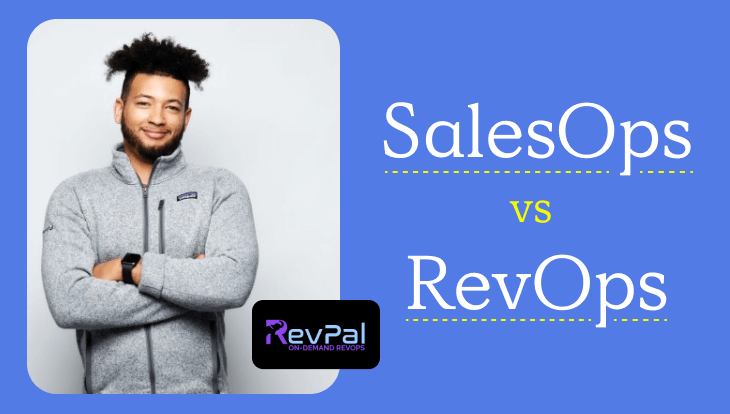

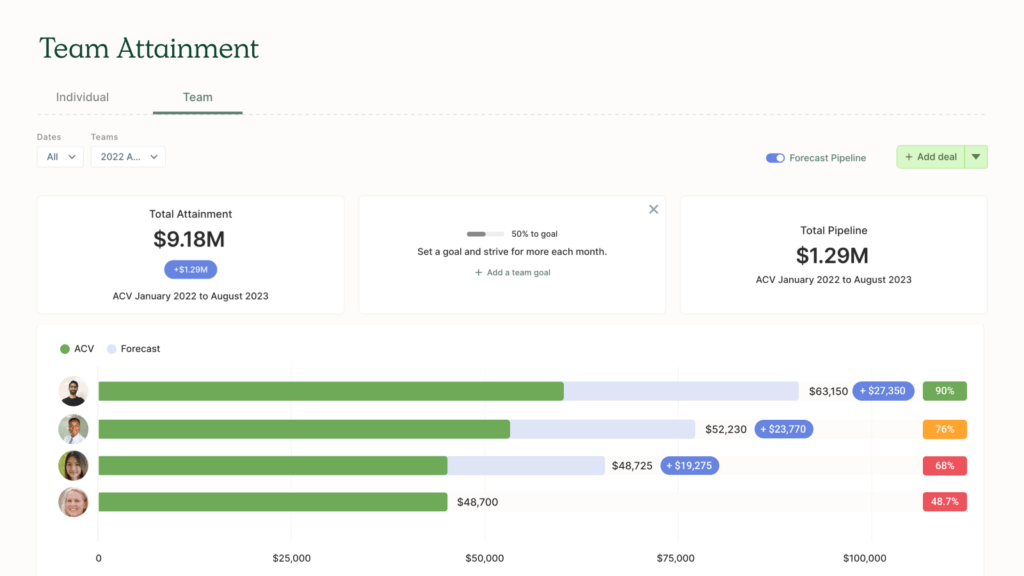

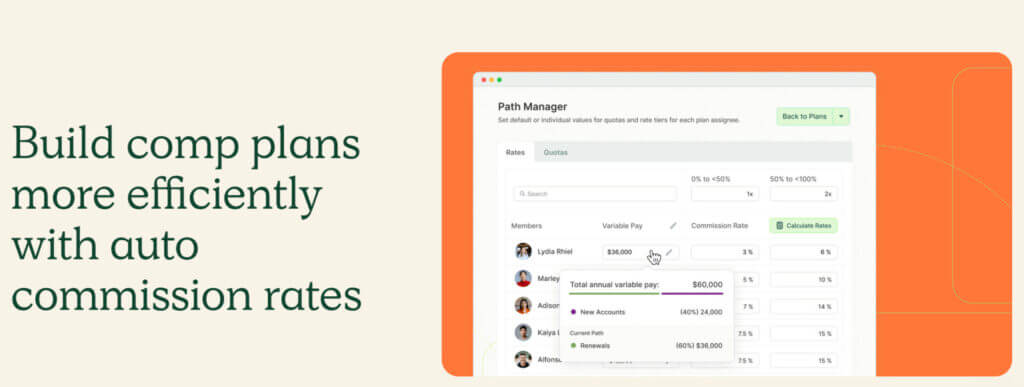


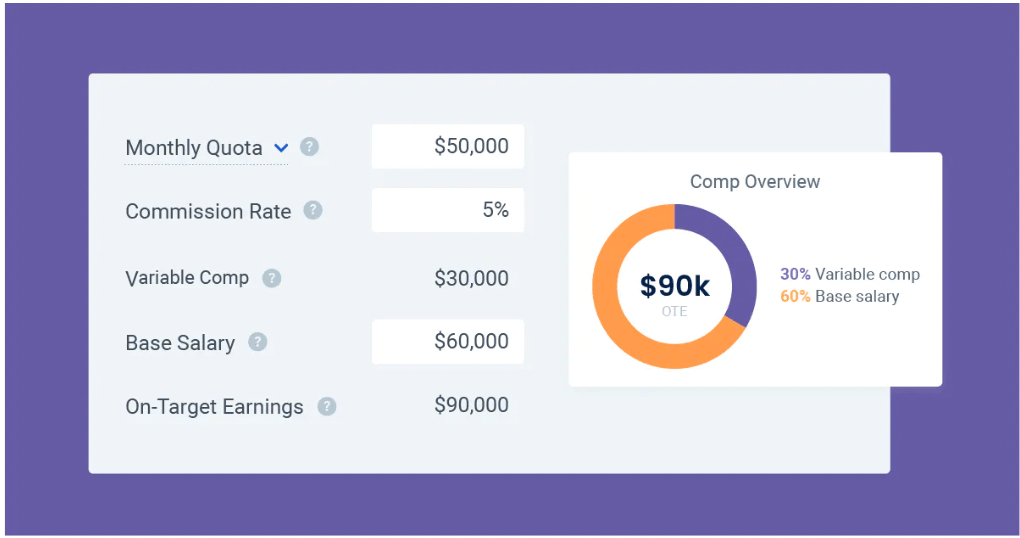






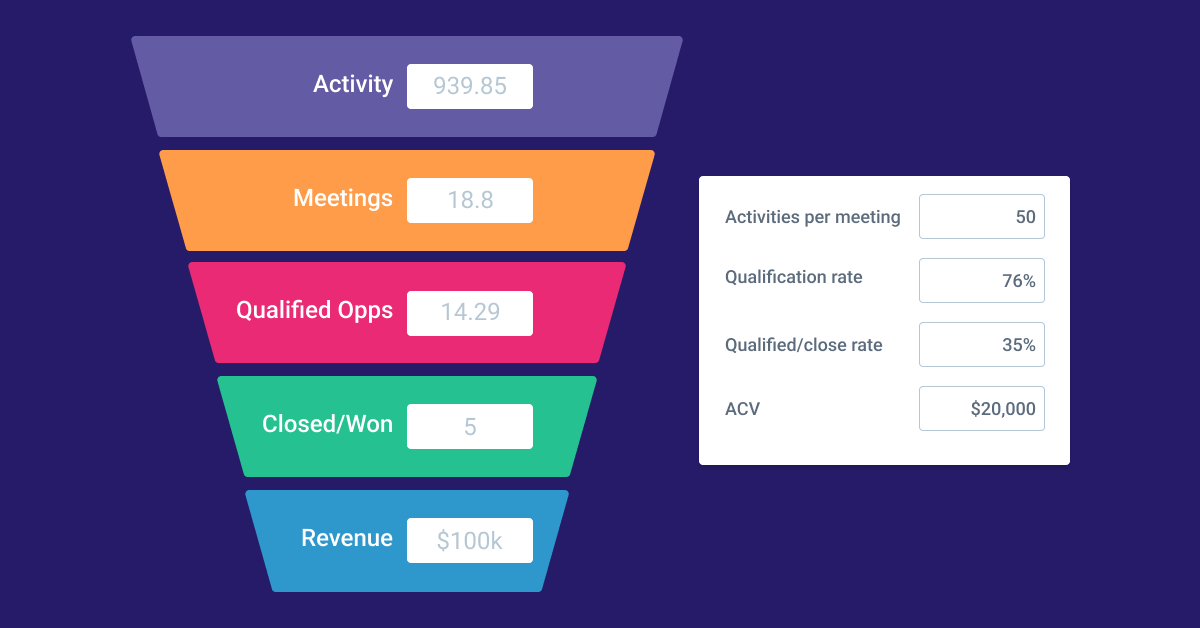

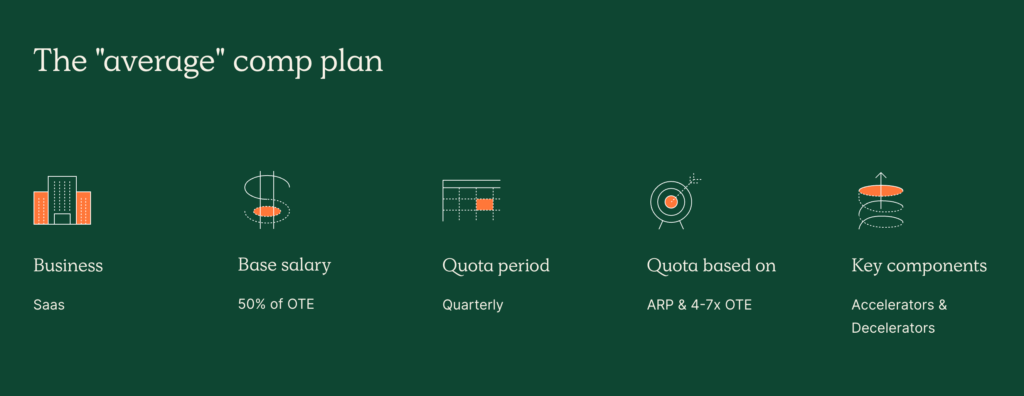

Recent Comments