For the third year in a row, QuotaPath has been named toHubSpot’s Essential Apps for Sales, a curated collection of must-have integrations designed to help HubSpot users sell smarter, faster, and with more confidence.
This recognition is a badge of honor and proof that our customers are seeing real impact from how we help unify their sales process inside HubSpot, eliminating fragmented tools and giving teams a complete view of their pipeline.
“Our sales managers and reps are more productive, our accounting is error-free, and the whole system flows better,” said Eric Baum, CEO of Bluleadz, a customer of QuotaPath and HubSpot. “The QuotaPath integration with HubSpot has transformed our operations.”
We continue to build on this momentum with two powerful new product launches that will further enhance your HubSpot experience: the Attainment App Card and Earnings App Object.
Our first big launch, the Earnings App Object, brings component-level earnings data into HubSpot as a native object.
This means you can now:
Track commissions spend and trends: Report on total earnings by deal, rep, or team and monitor commissions as a percent of revenue over time
Evaluate incentive impact: Compare earnings by deal size, type, or product sold. See which compensation components drive the most performance, and track manager comp based on rep earnings.
Prioritize high-impact deals: Identify high-efficiency deals by earnings per dollar sold and analyze cost of sales by contract length or segment
Bring component-level earnings data into HubSpot as a native object with QuotaPath.
Attainment App Card: Quota Progress Where You Work
In addition to our Earnings App Object, we also launched a new app card.
Now, with our Attainment App Card, reps can see their quota progress in real time, directly on deal pages.
No switching tabs. No manual tracking.
Just a clear, visual bar graph showing overall attainment against quota in real time.
This instant visibility helps reps self-check progress, understand how each deal impacts their goals, including forecasted views, and course-correct faster. Managers can use the same view to coach more effectively and improve forecasting accuracy.
Our Attainment App Card joins our existing Earnings App Card, which gives reps and managers instant access to commission data without leaving HubSpot. Together, these app cards provide a complete performance view, earnings and attainment side by side, right where your team works.
With earnings data centralized in HubSpot, RevOps teams can analyze commission trends, evaluate incentive impact, and prioritize the deals that drive the most performance—all without leaving the CRM.
Why This Matters for You
With Essential Apps recognition and these two new capabilities, QuotaPath is doubling down on our mission: helping sales teams stay focused, motivated, and aligned with company goals.
Reps get clarity on where they stand and what’s needed to hit quota
Managers get better coaching tools and forecasting accuracy
RevOps leaders get richer data to optimize comp plans and drive revenue growth
We’re adding features, yes, but most importantly, we’re removing friction from your workflow so you can move faster and sell smarter.
Streamline commissions for your RevOps, Finance, and Sales teams
Design, track, and manage variable incentives with QuotaPath. Give your RevOps, finance, and sales teams transparency into sales compensation.
Both the Attainment App Card and Earnings App Object are making their debut at HubSpot’s INBOUND conference. If you’re there, stop by our booth (#22) to see why we’re a 2025 HubSpot Sales Essential App. Ask questions, get hands-on with the new tools, see a live demo… and maybe play a round of roulette!
For everyone else, you can book a demo here to see how these launches and our award-winning HubSpot integration can impact your team.
As revenue teams scale, compensation complexity grows, increasing administrative burden, payout calculation errors, and rep demotivation. Concurrently, sales comp plan design ownership has shifted away from spreadsheets and ad hoc Sales Ops processes to RevOps-led comp design. This change is responsible for turning compensation strategy into an executable system, creating comp plans that are better aligned with organizational objectives.
Key Takeaways
Comp plan design for RevOps requires cross-functional alignment, data-driven modeling, and systems that scale across roles…not one-off plans built in isolation. This blog explains:
Why RevOps owns compensation design across Sales, CS, and leadership roles
How RevOps balances Finance constraints with Sales behavior
What a modern RevOps-led comp design process looks like
Why tooling and transparency matter as much as plan logic
What Is RevOps Comp Plan Design?
Although it may sound like this is about RevOps compensation plans, this is not about paying RevOps. It’s about RevOps designing compensation for the organization. For instance, why do they own sales comp? How did it shift from Sales Ops? And how do comp plans affect RevOps goals?
Why RevOps Owns Sales Compensation
Sitting at the intersection of Sales, Finance, and systems, RevOps owns sales compensation ~46% of the time when the team has 26+ commissionable employees. They own quotas, forecasting, CRM data, and performance reporting. Hence, RevOps is best positioned to design measurable, enforceable comp plans across the revenue organization.
The Shift From Sales Ops to RevOps-Led Comp Planning
Sales Ops historically supported sales compensation design. However, RevOps now governs it, since compensation planning has become a GTM system rather than an admin task. No longer a once-a-year task, it is a strategic Go-to-Market tool for actively driving sales behavior and revenue.
RevOps compensation planning ensures plans align with business goals, not just rep preferences. This incentivizes the right behavior, motivating reps to prioritize deals that support long-term growth over short-term rewards.
How Comp Plans Impact Revenue Operations Goals
Sales compensation design affects revenue-related outcomes that RevOps is accountable for. Forecast accuracy, pipeline quality and velocity, rep ramp time and productivity, and data hygiene and CRM adoption are all influenced by the sales behaviors driven by the comp plan. For instance, incentives that reward multi-year deals or those with ideal customer profiles (ICP) encourage more predictable revenue projections, pipeline, and velocity.
Transparent plans accelerate onboarding and increase motivation, while plans with reduced new-hire quotas boost morale during ramp periods. Performance metrics used in comp plans can either foster a data-driven culture or create incentives for “dirty” data. Ultimately, the revenue operations comp plan determines the quality of the outcomes.
Key Stakeholders in RevOps Comp Plan Design
Although RevOps is the orchestrator, they are not the sole decision-maker in the sales compensation design process. They ensure Finance, Sales Leadership, and RevOps are aligned throughout the planning process and comp plan approval, building cross-functional buy-in to create an effective comp plan structure.
Aligning Finance, Sales Leadership, and RevOps
RevOps compensation planning is a collaborative process requiring effective communication. A lack of alignment leaves Finance, Sales Leadership, and RevOps pushing their own disparate priorities instead of playing their distinct role in the comp planning process.
Finance: Controls costs, accruals, and predictability of comp plan structures, by protecting profit margins, ensuring proper commission recording, and modeling to forecast expenses and prevent budgetary surprises.
Sales leadership: Strives for a combination of motivation, fairness, and attainable goals that prompt behaviors, retain talent, and achieve business goals.
RevOps: Handles comp plan modeling, feasibility assessments, and system execution with automation to ensure transparency, accuracy, and alignment across revenue teams.
Misalignment results in last-minute plan changes, rep confusion, and rollout delays, ultimately damaging rep trust and performance.
Who Approves the Comp Plan?
A typical revenue operations comp plan approval flow consists of RevOps-led design, followed by Finance validation, and final executive sign-off, ensuring alignment with business goals. Misalignment in the sales compensation design process commonly happens when plans are created in silos without collaborative input, incentives aren’t tied to current strategic goals, or outdated quotas are used.
RevOps should own the “single source of truth” for sales compensation to keep everyone on the same page and prevent assumptions based on differing data sources. This increases accuracy, transparency, and alignment of the incentive structure with revenue goals.
Building Cross-Functional Buy-In
Transparency fosters trust during the sales compensation design process, helping all stakeholders see the plans as equitable and fair. RevOps’ use of data-driven modeling and scenarios based on historical figures reduces emotional debates, accelerating the adoption of plans. This reality-based approach prevents subjective or last-minute changes that can break cross-functional buy-in, lead to stakeholder misalignment, and erode trust.
8-Step Comp Plan Design Process for RevOps
Now that you know who should participate in RevOps compensation planning, follow this playbook for designing comp across roles to help guide you through the sales compensation design process.
Step 1: Define Business Objectives and Revenue Goals
Before designing a compensation plan, it’s crucial to determine your organizational goals and objectives so the plan will drive the right behaviors to support their achievement.
Translate company goals into comp-aligned behaviors
Examples: new ARR, multi-year deals, retention, expansion
evOps ensures incentives map to outcomes, not vanity metrics
Step 2: Analyze Historical Performance Data
This analysis helps align pay with strategic goals, optimize budget, and ensure quotas are achievable by reviewing:
Attainment trends
Quota accuracy
Deal mix and ramp curves
RevOps uses this data to ground decisions
Step 3: Benchmark Against Industry Standards
Compensation benchmarking is essential for maintaining fair, competitive, and financially responsible sales compensation plans. It helps organizations attract and retain top talent and facilitates compliance with salary transparency laws.
Step 4: Model Scenarios and Cost Projections via Pressure Testing
Testing comp plans against actual performance data prior to rollout is crucial. It not only builds trust among committee stakeholders but also prevents overpayment, underpayment, and erosion of trust and morale. Untested plans can break the budget or lead to rep turnover.
Best / expected / worst-case attainment
Rep earnings distribution
Finance-friendly cost modeling
Step 5: Draft Plan Documentation
Clear communication is essential to the success of the sales compensation design. We found that 60% of reps take 3 to 6 months to fully understand their plans. If reps don’t understand how the plan works, how they earn commissions, and how to optimize their earnings, the newly launched plan will fail. Plan documentation creation is RevOps responsibility (not an afterthought!) and should include:
Clear definitions
Calculation logic
Payout timing and eligibility
Step 6: Get Leadership and Legal Approval
Ensure the comp plan structure is strategically aligned with North Star metrics and complies with regulatory requirements prior to roll-out.
Lock rules before rollout
Avoid mid-cycle ambiguity
Step 7: Communicate and Roll Out to Reps
Comp plan communication directly impacts the success of the revenue operations comp plan. This step is the key to helping reps understand how their plan works, how they earn commissions, and how to focus their efforts. You can confirm reps’ understanding during plan rollout by using a commission agreement to surface any lingering questions reps have before the plan is launched.
RevOps owns enablement and clarity
Here’s how you win” scenarios
Align messaging across Sales and Finance
Step 8: Monitor, Measure, and Iterate
The RevOps compensation planning process is continuous. Routinely measure the success of plans across key areas to learn what’s working, identify potential improvements, and confirm the plan continues to motivate the right behaviors over time.
Track behavior vs. intent
Quarterly reviews
RevOps adjusts comp as the business evolves
Comp Plan Structures by Role
Compensation plans are not one-size-fits-all. Consequently, RevOps designs different comp structures for different revenue roles.Segmenting sales roles ensures all team members are rewarded based on their specific areas of influence, creating fair, effective plans that motivate behaviors to drive organizational objective attainment.
SDR and AE Comp Plans
What’s the difference between SDR and AE compensation plans? SDR plans focus on pipeline contributions and activities, such as scheduled meetings or demos. By contrast, AE plans reward revenue attainment and closed-won deals. RevOps’ role is ensuring clean handoffs and attribution.
CSM and Sales Manager Comp Plans
Two other key roles that receive incentives are CSMs and Sales Managers. CSMs are measured and incentivized based on retention and expansion. Sales Manager plans, on the other hand, are influenced by a combination of Team and individual performance. In this case, RevOps is responsible for balancing controllability and accountability of plan elements.
Measuring Comp Plan Effectiveness
Moving beyond “did we build it” to “did it work,” it’s time for RevOps to diagnose and fix comp issues by assessing key areas.
Attainment distribution reveals whether the plan was too easy or too hard to hit. If it’s too easy, the bar has been set too low, rewarding less desirable performance. While the plan should be within reach, not everyone on the team should be crushing it. If the plan is too hard, you risk demotivating and frustrating your team—worst case, you may experience rep turnover. So, assessing this is essential for budgetary and retention purposes.
Likewise, gauging rep understanding and trust is important. This can be accomplished by meeting one-on-one with team members to gather feedback on the plan, or by conducting a survey. Remember, if reps don’t understand and trust the plan, it won’t motivate the desired behaviors. Payout disputes and exceptions are often a sign that a plan is too complex and difficult to understand, leaving reps confused about their earnings calculations.
Finally, impact on core revenue metrics is a crucial area to assess since the sales compensation structure is intended to motivate behaviors that drive organizational goal achievement. If these metrics are falling short, it’s a sure sign that adjustments are needed to improve revenue results.
Free Comp Plan Templates and Resources
As you begin your RevOps compensation planning process, use these compensation plan templates and resources as a starting point…not a shortcut. Then adapt them to your specific GTM motion.
Why RevOps Teams Choose QuotaPath for Commission Management
Effective RevOps compensation planning is only the beginning. Plan execution requires a powerful, user-friendly tool, like QuotaPath, to make the plan succeed.
Why QuotaPath? These customer wins say it best. AlphaSense, for example, simplified hundreds of complex comp plans, provided transparency to their reps and finance teams, and reduced accrual time by 90% by switching to QuotaPath. “It took us previously three to four days to pull an accurate accrual. I pull it now in a matter of 20 to 40 minutes,” said Cara Hickey, Senior Manager of Sales Compensation, Global.
Whistic reduced administrative burden when they switched from Spiff to QuotaPath due to complexity and usability issues. “Instead of spending hours validating and recalculating numbers, we can run commissions quickly and accurately,” said Taggart Befus, Revenue Operations Manager.
Virtuous found their single source of truth across departments while streamlining the management of multiple comp plans and payouts. “QuotaPath helps me keep my sanity…It’s the one place where I can control comp, track against it, and say ‘here’s what changed and why,’” said Joan Schiffer, Director of Accounting.
QuotaPath is the platform that enables RevOps to own comp end-to-end.
RevOps needs systems that match comp complexity
Real-time visibility for reps and leaders
Fewer manual adjustments and disputes
One source of truth across Finance and Sales
👉Book a demo to see how RevOps teams design and manage compensation with QuotaPath.
When Rootly implemented QuotaPath to address manual commission calculation, they eliminated tracking headaches and, even more importantly, increased revenue.
Like Rootly before QuotaPath, commissions often live in spreadsheets. This puts sales compensation squarely in a reactive process, and one that’s time-consuming and disconnected from strategic growth goals.
In September 2023, Rootly decided to change that.
By automating commissions and delivering real-time earnings visibility to reps, the AI-powered incident management platform saved time and influenced selling behavior that drove a 10% year-over-year increase in multi-year contracts.
Here’s how they did it.
From Excel Exports to Automated Commission Tracking
Before automation, commission management at Rootly looked familiar.
“It was terrible,” said Liza Dukhova, RevOps Manager at Rootly. “Exporting from Salesforce, doing all the calculations manually… it was a lot of work and prone to error.”
By implementing sales commission software integrated directly with Salesforce, Rootly automated deal syncing and plan calculations, eliminating the spreadsheet risk entirely.
A RevOps Team of One Needed Leverage
For Liza, the impact was personal.
“I’m a team of one,” she explained. “My time is a valuable resource.”
She owns RevOps. She supports BDRs. She runs commissions. She helps with invoicing and finance. Every hour matters.
When she joined Rootly, QuotaPath had already been purchased, but it was her first experience with commission automation software after years of manual tracking.
“At first, I was double-checking every line item because I wasn’t used to trusting an automated tool,” Liza said.
But over time, trust replaced caution.
“Now I trust it 100%.”
What used to take four or more hours per month now takes just over one hour — even as the team and compensation complexity have grown.
This automation created leverage.
Commission Complexity Without Administrative Chaos
Rootly’s comp plans include:
Multi-year deal accelerators
Role-specific percentages
Quota tracking with attainment tiers
Directors earning differently than ICs
Multiple team structures
“You just build out the plan once, and it does the job for you,” Liza said.
Commission automation allowed Rootly to formalize comp complexity by removing the administrative burden.
Real-Time Visibility Changed Selling Behavior
Automation solved the operational problem, and visibility solved the growth problem.
Before QuotaPath, reps had limited transparency into earnings. They waited until the month-end. They ran their own calculations. They asked RevOps questions.
But now…“Reps have full access to their compensation details,” Liza said. “They can see what they’ve earned this month, this quarter, and year-to-date — all in real time. I rarely get questions about commissions anymore.”
But the biggest shift was behavioral.
Rootly introduced multi-year deal incentives with accelerators. And because reps could see in real time how much more they’d earn on longer contracts, selling behavior changed.
“Incentives drive behavior,” said Andre King, Director of Sales at Rootly. “Giving them visibility into that definitely increases what you’re trying to get with the incentives.”
The result: 10% year-over-year growth in multi-year contracts.
When reps could clearly see the upside, they leaned into it.
That’s the difference between compensation that pays… and compensation that motivates.
Streamline commissions for your RevOps, Finance, and Sales teams
Design, track, and manage variable incentives with QuotaPath. Give your RevOps, finance, and sales teams transparency into sales compensation.
Planning for Growth Without Adding Operational Burden
Rootly has grown significantly (and expects more growth ahead).
As the team scales, comp plans evolve. New incentives are introduced. Forecasting becomes more important.
From a leadership perspective, that’s where QuotaPath became even more valuable.
“When I meet with Liza to talk through how we accommodate growth across our tool stack, QuotaPath is one of the easiest ones to deal with,” Andre said. “It enables us to forecast and look at different ways we can grow the team.”
Liza feels equally confident making changes.
“I feel pretty confident building simple plans or iterating the plans we have,” she said. “And if something is complex or unusual, I know I can ask and get a quick answer.”
Measuring ROI: Time Saved + Revenue Influence
For Rootly, the return on investment with QuotaPath shows up in two places:
“It’s hard to isolate ROI for admin tools,” Liza said. “But there’s definitely a contribution to revenue.”
And perhaps most telling:
“Over a year into my role, I can’t imagine my life without a tool like QuotaPath.”
Andre’s take?
“If you’re looking for an easy-to-use, complete commission management system, you’d be a fool not to buy QuotaPath.”
Try QuotaPath for free
Try the most collaborative solution to manage, track and payout variable compensation. Calculate commissions and pay your team accurately, and on time.
The Takeaway: Visibility Builds Trust (and Revenue)
Rootly turned commission visibility into a growth lever.
With QuotaPath’s Salesforce integration, automated accelerators, and real-time earnings visibility:
Commission processing dropped to 60 minutes per month
15 users across 5 teams gained transparency
Multi-year contract sales increased 10% YoY
RevOps gained time back
Sales gained motivation
Commission software shouldn’t just calculate payouts. It should influence performance.
If you’re still managing complex comp plans in spreadsheets (or if your reps don’t fully understand how they earn) it may be time to rethink what your commission system should do for your business.
Ready to turn commission visibility into revenue growth?
Book a demo with QuotaPath and see how quickly you can streamline operations and drive smarter selling behavior.
Software implementation doesn’t fail because of features.
Full stop.
Commission system migrations rarely happen without a strong trigger. Think: Broken formulas, payout disputes, disrupted integrations, etc. One leader described their previous process as, “It was a dumpster fire every single month when we went to pay them.”
And when teams finally decide to implement (or migrate) a sales commission software platform, the biggest risk usually isn’t the math. It’s the stalls: unclear ownership, messy CRM data, approval chaos, or rep adoption that never sticks.
This post breaks down the 9 most common implementation roadblocks and exactly how to avoid them, so you can go live with confidence, not crossed fingers.
Key Takeaways
Most sales commission software implementations stall on process and data — not calculations.
Lack of ownership, messy CRM data, and unclear plan documentation are the biggest timeline killers.
Skipping parallel testing increases payout risk and erodes rep trust.
Adoption depends on transparency and early confidence-building .
With structured planning and the right partner, most teams can go live in 30–90 days without operational chaos.
1. No Clear Owner (Finance vs RevOps vs Sales)
The fastest way to stall an implementation is to treat it like “everyone’s job.” Finance owns payroll, RevOps owns tooling, Sales owns plan logic…and suddenly nobody owns the end-to-end outcome.
What it looks like:
Decisions get delayed because stakeholders aren’t aligned
Plan rules get changed mid-build
CRM mapping becomes a game of telephone
How to avoid it (the fix):
Assign one DRI (directly responsible individual) for implementation
Create a small steering group: Finance + RevOps + Sales leader + CRM admin
How QuotaPath avoids it: QuotaPath implementations work best when there’s a clear owner, but the process is designed to keep Finance, RevOps, and Sales aligned early so requirements don’t drift halfway through setup. This streamlines onboarding.
2. Picking a Vendor Before You Define Requirements
Teams often evaluate sales compensation tools based on feature checklists before they’ve aligned internally on what they actually need. That’s how you end up with software that can do everything… except support your real-world comp plan nuances.
What it looks like:
Long implementation timelines because requirements weren’t clarified
Unexpected “we can’t do that” moments late in onboarding
Tools that force you to redesign comp operations around the platform
How to avoid it: a quick requirements checklist Answer these before talking to vendors:
How complex are your plans today, and how quickly are they changing?
What’s your crediting model (splits, overlays, rollups)?
Who approves deals and exceptions?
What’s your payout schedule and close calendar?
Do you need auditability / ASC 606 readiness?
How QuotaPath avoids it: QuotaPath tends to be a better fit when you want a commission platform that supports evolving complexity without turning every plan change into a vendor ticket.
3. Dirty CRM Data Breaks Automation
A commission tracking best practice is to understand that your commission automation is only as good as the data feeding it. If your CRM has inconsistent amounts, missing terms, bad close dates, or messy stages, your implementation will slow down, because you’ll spend more time debugging data than configuring plans.
What it looks like:
Commissions don’t match prior payouts during testing
Reps flag “wrong” earnings that are actually CRM errors
Admins lose confidence in the system before go-live
How to avoid it: CRM cleanup before plan build Run a pre-implementation audit:
Standardize the commissionable amount field
Lock the stage/eligibility logic (e.g., “Closed Won” + contract start)
Remove duplicates and correct inconsistent close dates
Ensure required fields exist for plan logic (term length, renewal type, etc.)
How QuotaPath avoids it: QuotaPath’s CRM integrations are designed to consistently pull deal data, and an implementation best practice is to validate against historical runs so data issues are caught before reps ever see earnings.
Streamline commissions for your RevOps, Finance, and Sales teams
Design, track, and manage variable incentives with QuotaPath. Give your RevOps, finance, and sales teams transparency into sales compensation.
4. Comp Plans Live in People’s Heads (Not Documentation)
If the compensation plan logic only exists in someone’s brain (or in a spreadsheet with hidden tabs) your implementation becomes a scavenger hunt.
What it looks like:
“We’ll handle exceptions manually” (until you have 30 exceptions)
Conflicting interpretations of eligibility
Over-reliance on one admin to explain the plan
How to avoid it: document before you configure Create a one-page plan spec per role:
Eligibility rules
Rates, quotas, accelerators, bonuses, SPIFs
Splits and overlays
Clawbacks / early-out rules
Payout timing + approvals
How QuotaPath avoids it: QuotaPath works best when plans are treated like structured components, making it easier to build, duplicate, and evolve without reinventing your commission process every year.
5. Integration Mapping Takes Longer Than Expected
This is one of the most common hidden timeline killers. Not because integrations don’t exist, but because your team has to map the right CRM fields to the right plan components, and that’s where complexity shows up.
What it looks like:
Amount vs ARR vs ACV mismatch
Renewals and expansions not categorized consistently
Custom objects or fields not aligned across teams
Multi-currency or multi-entity confusion
How to avoid it:
Involve your CRM admin early
Create a mapping sheet: “this component pulls these fields”
Add a milestone: mapping sign-off before testing
How QuotaPath avoids it: QuotaPath’s integrations and implementation workflows are built to help teams map correctly upfront, so testing doesn’t turn into field-guessing.
6. Approval Workflows and Exceptions Are an Afterthought
Most disputes aren’t caused by the main plan rules. They’re caused by exceptions: early-outs, special pricing, clawbacks, rep transfers, one-off SPIFs, and “we promised them something.”
What it looks like:
Deals get paid before exceptions are resolved
Finance and Sales argue about “what counts”
Approvals happen in Slack/email with no audit trail
How to avoid it:
Define exceptions and approval workflows during implementation, not after
Decide where approvals live (and how they’re tracked)
Establish “flagged deal” handling rules (unapproved until X, etc.)
How QuotaPath avoids it: QuotaPath supports more structured approvals and defensibility, so exceptions don’t turn into spreadsheet archaeology and you’re audit-ready.
Finance Leaders’ Commission Accounting Checklist
A structured commission accounting checklist helps keep your reporting accurate, compliant, and efficient from the start.
Parallel testing feels like a slowdown—until you go live and reps start finding edge cases before you do.
What it looks like:
Go-live turns into “hotfix season”
Rep trust drops fast
Finance delays payroll while re-checking calculations
How to avoid it: a lightweight parallel run protocol
Run old + new side-by-side for 1–2 payout cycles
Spot-check 10–20 deals per role
Include 3–5 edge cases (splits, clawbacks, multi-year, etc.)
Require sign-off from Finance and Sales
How QuotaPath avoids it: QuotaPath implementations are typically structured to validate accuracy early, so the first real payout cycle is boring (in a good way).
8. Rep Adoption Fails Because Trust Isn’t Built Early
A technically correct system can still fail if reps don’t believe it. If your rollout feels like “here’s a new dashboard, good luck,” you’ll get questions, skepticism, and workarounds.
What it looks like:
Reps continue tracking in their own spreadsheets
Managers spend time explaining earnings instead of coaching
Admins get buried in “is this right?” messages
How to avoid it:
Tell reps what matters most: “Here’s how you validate earnings.”
Make the test period explicit (build confidence before go-live)
Train reps on deal-level visibility and forecasting (“what would I earn if…”)
Create a clear path for questions that doesn’t derail payroll
How QuotaPath avoids it: QuotaPath emphasizes rep-facing visibility and transparency, which helps adoption stick because reps can see the “why,” not just the number.
9. Payroll and Compliance Get Bolted On Too Late
Implementation isn’t done when commissions calculate. It’s done when payouts run smoothly and Finance has what they need for reporting and audit readiness.
What it looks like:
Manual payroll uploads and mapping errors
Last-minute reconciliations delaying pay
Compliance risk when documentation is scattered
How to avoid it:
Decide early how payouts flow into payroll
Align on audit/compliance requirements (especially if you’re ASC 606-conscious)
Build your close process around the new “system of record,” not backchannel spreadsheets
How QuotaPath avoids it: With payroll integrations like Rippling, teams can reduce manual handoffs and validation steps, making payouts simpler and less error-prone.
A “Fast Implementation” Is Really a Prepared Implementation
Most implementation delays are predictable: ownership confusion, messy data, mapping issues, missing exception workflows, skipped testing, and weak change management. The good news is you can prevent nearly all of them with the right preparation…and the right partner.
If you’re outgrowing spreadsheets (or a tool that can’t keep up), you don’t need an implementation that drags on for quarters. You need a clear path to go-live, built for real-world comp complexity.
Schedule a demo to see how QuotaPath helps teams avoid implementation stalls, go live faster, and build a commission system your reps actually trust.
Commission system migrations rarely happen without a strong trigger. Switching commission software is a decision typically inspired by common breaking points.
Spreadsheet errors and rep disputes due to broken formulas, or slow payout cycles due to time-consuming manual calculations, often motivate change. For instance, “It was a dumpster fire every single month when we went to pay them.” Cara Hickey, Senior Manager of Global Sales Compensation at AlphaSense, describes their experience with a previous comp tool before switching to QuotaPath.
Lack of visibility for reps and leadership, and the scaling complexity introduced by new roles, plans, or geographies, often reveal process weaknesses. “We were told we couldn’t make core changes to our comp plan eligibility. That was the final push to reevaluate QuotaPath.” Emma Wilkinson, RevOps Manager at Moxo, recognized they had outgrown their solution.
Sometimes, the need to change is driven by a platform that doesn’t meet your needs, as Randy Lafursky, President at Core Imaging, explained, “Palette was a great stepping stone, but it was tough to use, for both us and the reps.”
Although switching commission systems can feel risky and disruptive, migration is a controlled, step-by-step process when done right. In this blog, we show you what to expect from vendor selection to go-live, plus tips to avoid common pitfalls and delays.
Key Takeaways
Commission system migrations are triggered by operational risk. Spreadsheet errors, payout delays, and scaling complexity usually signal it’s time to move on.
A successful commission system migration follows a structured process. Internal alignment, data cleanup, implementation, testing, and onboarding reduce disruption and risk. Switching commission software doesn’t have to be slow or chaotic. With the right preparation and partner, most teams can go live in 30–90 days and see immediate operational improvements.
Phase 1: Vendor Selection & Internal Readiness
Before any data is moved, the real work starts with preparation. To select a commission system that fits your organization, your team must first align on needs and priorities. Clarifying internal requirements makes vendor comparisons more objective and ensures evaluation criteria reflect operational reality—not just feature lists.
Defining What You Actually Need
Before selecting a vendor, teams should answer some key questions internally:
How complex are your current comp plans?
How often do plans change?
Who owns commissions today (Finance, RevOps, Ops)?
Aligning Finance, RevOps, and Sales early simplifies vendor selection by clarifying priorities. It ensures the system drives strategic revenue goals rather than simply tracking individual commissions. Otherwise, organizations risk choosing tools that do not support complex compensation structures, leading to inefficient processes, inaccurate payments, and reduced sales reps’ trust.
QuotaPath checklist as part of onboarding.
Evaluating Commission Software Vendors
Once the team has defined its needs and priorities, it’s time to consider which solution best meets those requirements. The following evaluation criteria will help you choose the best commission system for your organization.
Time-to-value and onboarding speed
Consider how long it will take to set up the new commission system, including training your team and getting commissions running. A fast, quality onboarding process shortens time to value and reduces frustration.
Self-serve vs vendor-dependent plan changes
Look for a platform that makes it easy to adjust plans without contacting support to build and manage compensation plans.
CRM integrations and data reliability
Confirm that the commission system offers native integrations for your CRM and payroll system. Data pulled automatically from your CRM, assuming it’s accurate, streamlines commission tracking and error-free payroll runs.
Compliance readiness (ASC 606)
Ensure that the commission tracking software you select supports the ASC 606 revenue recognition standards documentation requirements. Leaving your accounting teams to recognize commission expenses manually increases your risk of non-compliance.
Support model and post-sale partnership
Whether you’re new to a tool or experienced with it, when you have questions, you need answers. Carefully assess the support mechanisms and availability for each prospective commission system vendor you evaluate. Do they have a comprehensive self-serve knowledge base and live support options with a rapid response? Check out the reviews to see what others are saying about their support options and responsiveness, too.
Phase 2: Pre-Migration Planning & Data Prep
Once a vendor is selected, migration success depends on data readiness. Cleaning up existing compensation plans and CRM data increases the success of commission software implementation.
Auditing Your Existing Comp Plans
Migration is the best time to simplify. Start by cleaning up legacy plans to configure the new system with accurate data for a seamless commission software implementation, accurate costs, and increased sales team adoption.
Documenting key information, such as roles and plan owners, quotas, rates, accelerators, bonuses, and spiffs, as well as payout frequency and fiscal calendars, also streamlines sales commission system onboarding.
Getting CRM Data Migration-Ready
Clean CRM fields ensure accurate commission calculations, prevent payout errors, and increase confidence in sales performance data. Clean data also improves forecasting and shortens pay cycles.
Common issues uncovered during prep include missing fields tied to compensation logic and inconsistent deal stages or amounts. This type of dirty data causes automation failures and inaccurate reporting. Involving CRM admins early in the migration process simplifies the process and increases implementation success.
Phase 3: Implementation & System Setup
This is where spreadsheets officially start to disappear. You create compensation plans, and sync and validate deal data in the new commission system.
Building Compensation Plans in the New System
The first step in eliminating spreadsheets from the sales commission process is to create a compensation plan in your new platform. Modern tools, like QuotaPath, think about compensation plans in terms of roles and components. For instance, is the plan for an account manager (AM), sales development rep (SDR), or sales manager?
Examples of components include:
Quotas: The amount of sales that a salesperson or sales team is expected to achieve in a designated timeframe.
Accelerators: A commission structure that rewards sales reps for exceeding their sales targets.
Bonuses: An incentive for meeting or exceeding a pre-defined goal, either calculated as a percentage or a set reward amount.
Spif: a short-term incentive designed to motivate salespeople to achieve specific goals.
Best practice: Start with a base plan, duplicate it, and build on it.
The SPIF Report
Curious how top revenue teams use SPIFs and accelerators to align with key business goals and drive measureable results? Our latest report below dives into our data from $7.3M in sales incentives
Now that you’ve created comp plans in your new commission system, it’s time to initiate communication between your deal data source and your new platform with a pre-built integration or API designed for your CRM. Sync your data to authenticate your CRM. Don’t worry, this process doesn’t add or override any CRM values; it is a one-way sync of data into your new commission system.
After authenticating your CRM, you need to map data to each plan and component. Each plan component may trigger different values or rules. So, aligning data at the plan and component level ensures accuracy in the sales compensation automation process. Involving the CRM administrator in this process may help to map the correct fields in your CRM system.
To confirm everything is properly mapped and syncing, take a couple of validation steps. Start by running payroll in your new commission system with historical deal data. Then spot-check earnings against prior payouts previously paid for those deals. Are they accurate?
Parallel Runs & Testing
Parallel payroll testing is a crucial step in the final phase of commission software implementation, running the old commission system and the new system side-by-side for a designated number of commission cycles. This helps to ensure that the new systems calculate commissions, taxes, accelerators, and bonuses accurately before fully switching to commission software. It also allows you to adjust settings if any discrepancies arise.
Using test periods builds sales rep and leadership trust in the new commission system, providing peace of mind and confidence in future commission payout runs. Then once you’re certain the new commission system is running smoothly, you’ll know when it’s safe to sunset spreadsheets and rely solely on your new solution.
Phase 4: Team Onboarding & Change Management
A technically correct system still fails without rep adoption. Sales reps, Finance, RevOps, and Admins are more likely to actively use the new commission system if they know how to use it and the benefits.
Onboarding Sales Reps
After your data is validated, it’s time for the sales commission system onboarding. Set up your reps and invite them to start exploring the new system. Show them how to navigate the platform and address what they care most about, namely, ‘How much am I earning?’ and ‘Can I trust this number?’
Make them aware of the test period to help build trust in payout accuracy as the process advances. Then orient them to the system’s dashboards and show them how to forecast future earnings based on potential deals. Real-time visibility will motivate reps to push harder by revealing how close they are to hitting milestones, prioritizing deals that will help them reach key goals, and encouraging them to keep selling even after exceeding targets.
Training Finance, RevOps, and Admins
Providing training to Finance, RevOps, and Admins when switching commission software builds their confidence in using the new tool, reducing their dependency on vendors. [Ongoing ownership vs one-time setup]
Support responsiveness is essential, especially during the first payout cycles. Teams need their questions addressed promptly to ensure payroll is accurate and isn’t delayed while awaiting support team responses. Prompt responses also boost confidence and help prevent frustration as you adjust to the new commission system.
Phase 5: Go-Live & First Payout Cycles
Go-live isn’t the finish line; it’s the real beginning. It is the start of the operational phase where processes are optimized, progress is monitored, and training continues to ensure success.
Commission system “go-live” marks the exact moment when you transition from testing your new system, making it the active system of record for calculating and paying sales commissions. This is also the moment when you stop planning and start enjoying the benefits of your new sales commission system.
During the first 1-2 payout cycles, it’s normal to receive more questions. You’ll also make final tweaks to plans or mappings based on feedback to improve payout accuracy. Success indicators during the initial “go-live” period are faster payout processing, fewer disputes, and higher rep confidence in the accuracy of earnings calculations.
Streamline commissions for your RevOps, Finance, and Sales teams
Design, track, and manage variable incentives with QuotaPath. Give your RevOps, finance, and sales teams transparency into sales compensation.
What a Smooth Commission Migration Looks Like with QuotaPath
Let’s bring it all together with a concrete example.
AlphaSense smoothly transitioned from a competitor to QuotaPath within 90 days. Here’s their high-level implementation timeline:
Rapid proof of value without needing support. “I spun up seventy-five percent of our plans, and I got them working by myself,” explained Cara Hickey, Senior Manager of Global Sales Compensation at AlphaSense.
Hands-on implementation support (not ticket-based). No long delays, limited responsiveness, and inability to operationalize complexity. QuotaPath’s implementation model included a comprehensive array of communication options and materials that removed friction and offered real-time collaboration. Technical flexibility and support with their “messy” CRM constraints. QuotaPath’s team even built calculated fields on the backend!
QuotaPath empowered the Admin team and provided backup as needed. Admins operated autonomously while leveraging a true partnership with QuotaPath.
AlphaSense saw immediate operational ROI, with measurable improvements in accrual time, reduced end-of-quarter chaos, real-time visibility for reps, and increased capacity for compensation strategy.
They experienced fast onboarding and leveraged native CRM integrations, self-serve plan management, and ongoing support and consulting for a smooth sales commission migration.
This is not an isolated example. “QuotaPath has this amazing commission tool migration checklist, and the CS team sets up the plans for you. Onboarding was perfect to a T,” according to Kim Stithem, Controller at CFI.
Schedule a demo to see how quickly you can be live in QuotaPath with fast time-to-value and low implementation lift.
Revenue recognition is one of the most scrutinized areas of financial reporting. And for SaaS companies in particular, ASC 606 didn’t just change how revenue is recognized — it fundamentally changed how commissions must be accounted for.
Yet years after its effective date, many finance teams are still:
Expensing commissions upfront when they shouldn’t be
Reconciling manual journal entries across CRM and ERP systems
Increasing audit exposure without realizing it
If you’re responsible for financial reporting, audit readiness, or board reporting, ASC 606 isn’t a “set it and forget it” standard. It directly impacts margin, CAC, forecasting, and investor confidence.
Let’s break down what ASC 606 requires, and how commission accounting fits into it.
Streamline commissions for your RevOps, Finance, and Sales teams
Design, track, and manage variable incentives with QuotaPath. Give your RevOps, finance, and sales teams transparency into sales compensation.
ASC 606 is the revenue recognition standard issued by the Financial Accounting Standards Board (FASB). It created a single, principles-based framework for recognizing revenue from contracts with customers across industries.
Before ASC 606, revenue guidance was fragmented across multiple industry-specific rules. ASC 606 replaced that structure with one unified model designed to improve consistency and comparability.
The Core Principle
Revenue should be recognized in an amount that reflects the transfer of promised goods or services to customers, and that consideration the company expects to receive.
ASC 606 Summary: The 5-Step Model
Under ASC 606, companies must follow a five-step model:
Identify the contract with the customer
Identify the performance obligations
Determine the transaction price
Allocate the transaction price to the performance obligations
Recognize revenue when (or as) the performance obligations are satisfied
For SaaS companies, that typically means subscription revenue is recognized ratably over the contract term (if service is delivered over time), while usage-based revenue is recognized as incurred.
Private companies: Annual reporting periods beginning after December 15, 2018
While implementation deadlines have passed, compliance scrutiny has not. Revenue recognition ( and related contract cost accounting) continues to be a key area of audit focus.
How Do You Recognize Revenue Under ASC 606?
For most SaaS businesses:
Subscription revenue → Recognized ratably over time
Multi-year contracts → Recognized over the service period
Multi-element arrangements → Allocated using standalone selling price (SSP)
Contract modifications → May require reallocation or prospective treatment
But revenue timing is only half of the equation.
The other half, and often the more operationally complex half, is commission accounting.
Finance Leaders’ Commission Accounting Checklist
A structured commission accounting checklist helps eliminate these challenges, keeping your reporting accurate, compliant, and efficient from the start.
This fundamentally changed how commission expense flows through the P&L.
How Should Commissions Be Accounted for Under ASC 606?
1. Capitalize Incremental Commission Costs
If the commission is directly tied to obtaining the contract, it must be recorded as an asset on the balance sheet.
This means instead of expensing the full commission in month one, you defer the expense.
2. Amortize Over the Period of Benefit
The amortization period is not necessarily the contract term; it is the expected period of benefit.
Example:
1-year SaaS contract
Average customer lifetime = 4 years
The commission may need to be amortized over four years, not one.
This requires:
Reliable churn assumptions
Defined amortization policies
Consistency across reporting periods
3. Expense Non-Incremental Costs Immediately
Costs that are not directly tied to winning a specific contract, such as base salaries or general bonuses, are expensed as incurred.
The nuance lies in determining what qualifies as incremental.
What Finance Needs to Know Before Rolling Out 2026 Variable Pay
This guide breaks down four things Finance must lock in before the ball drops: Business goals, ASC 340/606 implications, budgeting and headcount, and automation readiness,
Direct CRM integration ensures commissions are calculated from actual deal data (not spreadsheets!).
Identify Capitalizable Costs
Incremental commissions should be flagged and separated from non-capitalizable compensation.
Generate Amortization Schedules
Amortization should follow defined policies and automatically adjust for renewals or churn assumptions.
Sync with Your ERP
Commission expense and amortization entries should flow directly into your general ledger — whether you use NetSuite, QuickBooks, Sage Intacct, or another ERP.
This reduces:
Manual journal entries
Reconciliation work
Close cycle time
Audit preparation stress
What Finance Leaders Should Be Asking
If you oversee commission accounting, ask:
Are we capitalizing commissions consistently under ASC 340-40?
Are we amortizing over the correct benefit period?
Can we produce a clean audit trail quickly?
How much time does our team spend manually managing amortization schedules?
Are we aligning commission expense timing with revenue timing?
If the answers rely heavily on spreadsheets, manual tracking, or institutional knowledge, there is risk, and inefficiency.
Final Thoughts: Compliance Shouldn’t Create Chaos
ASC 606 was designed to improve consistency and transparency.
But for growing SaaS companies, it introduced real operational complexity, particularly around commission accounting.
Finance teams shouldn’t have to choose between:
Staying compliant
Closing the books on time
Supporting revenue growth
With the right automation in place, you can do all three.
Try QuotaPath for free
Try the most collaborative solution to manage, track and payout variable compensation. Calculate commissions and pay your team accurately, and on time.
Sales commission software, intended to streamline compensation management, can create more work than it saves. The hidden cost of formula-heavy commission tools stems from time lost to administration, fear of breaking historicals, and lack of visibility. RevOps teams juggling spreadsheets and tools, and comp plans changing quarter over quarter, creating RevOps commission management challenges such as risk of errors and misaligned payouts.
Take Moxo, for example, a scaling SaaS company that found itself in this very situation. They outgrew their commission tracking software due to the increasing complexity in their comp plans. This story shows how Moxo reclaimed a full week of work, reduced risk, and gained confidence by switching to QuotaPath.
Key Takeaways:
Formula-heavy commission tools don’t scale with changing comp plans. Moxo learned that rigid, spreadsheet-like commission systems create admin bottlenecks, limit flexibility, and increase risk as compensation plans evolve quarter over quarter.
The right sales commission software can reclaim a full week of work. By switching to QuotaPath, Moxo reduced commission prep from a full week of manual work to just a few hours, freeing RevOps to focus on higher-impact initiatives.
Visibility and locked historical payouts build trust across teams. With QuotaPath, Moxo eliminated fears around changing historical commissions while giving sales reps clear, deal-level visibility into how they earn, driving adoption across Sales, Finance, and CS.
Streamline commissions for your RevOps, Finance, and Sales teams
Design, track, and manage variable incentives with QuotaPath. Give your RevOps, finance, and sales teams transparency into sales compensation.
Emma Wilkinson, Head of RevOps, was overseeing commissions at Moxo. The previous sales commission software they were using was extremely formula-heavy, sort of like “Glorified Gsheets,” according to Emma. She was the primary admin and the only one who truly understood how to use it.
The tool was so complex that teaching others felt like “teaching a different language,” and only made sense “if somebody was familiar with formulas and spreadsheets,” according to Emma. This made it difficult to even train their approvers. Historical payouts changed unexpectedly during the comp plan update due to version control issues, causing rep confusion and mistrust. Consequently, Moxo was still relying on spreadsheets alongside the tool.
If this wasn’t stressful enough, the final straw was when Moxo wanted to change payout eligibility rules. The vendor said it wasn’t possible to make that change and that it would be too difficult to build the desired payout rules on their platform. This was the push that forced Emma to initiate a full reevaluation of their current tech stack and start conversations with QuotaPath.
Looking for a Simpler, More Flexible Alternative
As Emma started looking for a better solution, she thought, “There had to be a simpler solution—one that sales, leadership, and finance would be able to read more easily.” She also wanted commission plan flexibility to easily adjust plans without risking formula breaks.
What mattered most:
Ease of use
Flexibility as comp plans change
Getting out of formulas entirely
QuotaPath was the standout option, delivering plug-and-play plan building, as Emma described it “just being able to build out a path, select components, and see a comp plan.” QuotaPath provided clear commission visibility for sales reps to see how they earn incentives. It also gave Emma confidence that the system could be managed by others — important since she was preparing to take parental leave.
Top CaptivateIQ Alternatives
Explore top CaptivateIQ alternatives, including QuotaPath vs Xactly, Spiff, Performio, and Everstage. Explore core features, benefits, and ideal fit.
After a lengthy evaluation process, several key decision drivers led Moxo to select QuotaPath. The ability to build compensation plans in a visual, component-based comp plans interface, enabling them to make plan changes easily. They found they could even handle “funky” edge cases in QuotaPath and were never told “no.” “With you guys, the answer is always yes, we can handle that. Here’s how we build it out,” said Emma.
Support was a huge differentiator. Moxo received numerous demos during its evaluation as its vision evolved throughout the process. Emma noticed the collaborative problem-solving, where QuotaPath’s team always provided a solution rather than having to figure it out on their own. These experiences reinforced Emma’s trust and confidence heading into implementation, knowing they would receive support along the way.
From a Full Week to Just a Few Hours
Moxo has benefited greatly by switching to QuotaPath to automate sales commissions. Before they switched, it took Emma at least one full week per quarter to prepare commission, using multiple sheets. It was highly stressful when comp plans changed because there was no way to confirm that the formula changes were made everywhere they were needed to avoid errors.
After implementing QuotaPath, Emma was able to update all teams and plans in just a few hours, without fear of breaking calculations. Emma measures ROI “selfishly” in terms of time. “Preparing commissions used to take at least a week of uninterrupted time. Now, it takes a couple of hours to make updates across all teams and plans,” said Emma.
Reducing Financial Risk with Locked Historical Payouts
From a Finance and reporting perspective, historicals changing as Emma made changes to the plans were “a really scary thought.” Their formula-heavy platform prevented them from confirming that updates occurred where needed, increasing the risk of not being able to reconcile the numbers.
With QuotaPath, historical payouts are locked, and forward-looking changes don’t affect the past. Consequently, Finance and reporting confidence has increased, reducing audit and reconciliation risk.
“Our sales team loves it. Being able to see earnings from a deal perspective is important for them. Previously, it was here’s what you’re earning, then here’s how it’s broken out. But now it’s here’s the deal you closed or the meeting you had, and here are the different ways you earned from that specific object.”
Emma Wilkinson, Moxo
Sales Team Buy-In Through Visibility
The sales reps’ experience has significantly improved since Moxo switched to QuotaPath. Individual reps can view earnings deal-by-deal, matching how they think about their work. By contrast, they were previously given earning totals first, with explanations later.
Results:
Easier comprehension
Higher trust
Better motivation
As Emma explained, “Our sales team loves it. Being able to see earnings from a deal perspective is important for them. Previously, it was here’s what you’re earning, then here’s how it’s broken out. But now it’s here’s the deal you closed or the meeting you had, and here are the different ways you earned from that specific object. I think they like that breakdown. It’s easy for them to digest. It’s easy for them to compare it to their actual paper comp plan.”
Support as a True Partnership
QuotaPath’s weekly support touchpoints, quarterly check-ins around plan changes, fast responses, and proactive problem-solving have led to a strong partnership. Emma especially appreciates this level of care since she was often left “on her own” to navigate issues with the previous tool. In fact, QuotaPath always brings solutions when she needs them. “You always came to us with a solution, not the other way around,” said Emma.
Streamline commissions for your RevOps, Finance, and Sales teams
Design, track, and manage variable incentives with QuotaPath. Give your RevOps, finance, and sales teams transparency into sales compensation.
Switching to QuotaPath sales commission software enabled Moxo to save time and simplified how RevOps commission management worked across the business. By moving away from a rigid, formula-heavy system, Emma reclaimed a full week of administrative work each quarter, reduced financial risk with locked historical payouts, and gained the confidence to make plan changes without fear of breaking calculations.
Just as importantly, the team unlocked true commission plan flexibility and company-wide adoption, giving Sales, Finance, and leadership clear visibility into how incentives are earned and tracked as the company scales. “QuotaPath has been an amazing change for us. I recommend it to RevOps leaders, sales managers, and finance across the board,” said Emma.
See how QuotaPath helps RevOps teams replace formula-heavy commission tools with flexible, audit-ready commission tracking. Request a demo today.
As your SaaS company scales past 50 quota-carrying reps, compensation becomes a core part of your go-to-market infrastructure.
What worked for 10 reps breaks at 50.
Spreadsheets create bottlenecks. Edge cases multiply. Disputes creep in. And if you’re not careful, your SaaS sales comp structure starts slowing growth instead of fueling it.
So how do you design comp plans for SaaS sales teams that scale?
Let’s break it down.
Streamline commissions for your RevOps, Finance, and Sales teams
Design, track, and manage variable incentives with QuotaPath. Give your RevOps, finance, and sales teams transparency into sales compensation.
We’ve found that 70% of organizations still rely on spreadsheets to manage commissions. And 80% admit they’ve paid reps incorrectly at some point. That’s both an admin problem and a trust problem.
Kim Stithem, a controller at CFI, experienced this problem firsthand.
“We were doing very manual calculations for simple plans,” Kim said. “But as we started introducing new quotas and initiatives, you can’t scale that on a spreadsheet.”
When compensation becomes hard to follow, reps stop focusing on performance and start questioning math, and you compromise trust.
That’s when you know your comp plan needs structure.
Before layering in bonuses and accelerators, you need the right foundation. Below, we take you through the steps of building the right structure from the ground up.
Step 1: Understand what makes a SaaS compensation plan work at scale
A scalable SaaS sales comp structure for 50+ reps comes down to three principles: simplicity, logic, and fairness.
Simplicity: reps should understand it instantly
If a rep can’t explain their plan in 30 seconds, your plan is too complex. Complexity creates two problems:
Reps don’t know what to prioritize.
Disputes become inevitable because the math feels mysterious.
Logic: incentives must reflect how you grow
Your B2B SaaS commission model should match your business model—whether you optimize for bookings, retention, expansion, or usage.
If your growth engine is multi-year ARR, reward it. If your growth engine is NRR, pay for it. “Motivating software sales teams” isn’t about hype…it’s about alignment.
Fairness: the plan must be defensible
Fairness isn’t just “nice.” It’s what makes compensation sustainable when your org is large enough that exceptions and edge cases happen weekly.
Mike described the benefit of a clear commission system like this: “You create trust, you create accountability.” And when comp is transparent, there’s a defensibility to it—“the numbers don’t lie.”
That’s the standard. If your plan can’t hold up in a screen-share conversation with a rep, it’s not ready for 50+ reps.
Step 2: Choose a plan based on your sales motion
Once your foundation is solid, you can choose the right structure based on how you sell.
Revenue-based plans
These are common for outbound-heavy SaaS motions and quota-carrying AEs.
Options include:
Single-rate commission (simple, predictable)
Tiered commissions or accelerators (drive overperformance)
NRR-based compensation (align AEs/CS to expansion + retention)
If your team is running SaaS quota-based compensation, the key is to keep the plan consistent and repeatable across reps and teams, especially as you introduce territories and segment differences.
Commission + bonus models
These work well when you need to shape behavior beyond “close more deals.”
Examples:
Accelerators (pay more above quota)
Milestone bonuses (reward specific achievements)
Cliff bonuses (activate payouts after thresholds)
For scaling teams, the trap is adding “one more bonus” every quarter. Bonuses should reinforce strategy (not patch holes).
Report: Usage-Based Compensation Plans
We analyzed dozens of conversations with Revenue and RevOps leaders from our own compensation consultation calls and external interviews to learn what’s working (and not) when it comes to usage-based compensation models.
Managers and executives (the part many teams forget)
This is where the real scale problem shows up: once you have layers of leadership, you need rollups.
Our customer, Keen, for example, built a three-level structure:
“The VP gets paid commission on everything that the team does,” said their COO Mike Althoff.
Team leaders earn on their deals and the team they support.
Clarity will be key.
“Who’s getting what for every deal and why” has to be visible. Otherwise, your comp plan becomes political.
Step 4: Build the scalable system (where most teams actually fail)
At 50+ reps, it’s not enough to have the right plan. You need a system that runs it reliably, end to end.
For Keen, the turning point was moving from spreadsheets to a platform that could scale with their team’s complexity.
“We needed a system that would scale with us,” Mike said, as “go-to-market complexity increased.” QuotaPath gave them “structure… auditability… a consistent process.”
Keen runs HubSpot, and Mike was blunt about how important the integration is: “Almost essential.”
Why? Because closed-won data isn’t always clean until it’s tied to commissions. That connection creates “day-to-day confidence” that every deal and account is being managed accurately.
For a 50+ rep org, that’s the difference between “I think this is right” and “I know this is right.”
Payroll integration removes the last-mile risk
Keen also uses Rippling, and the outcome is exactly what you want payroll to be: boring.
Mike joked that it “hasn’t changed anything” for him—but the payroll manager loves it. “I literally just say, ‘I sent the commissions,’ and she’s like, ‘cool, thanks.’”
That’s the goal: fewer handoffs, fewer mapping errors, and less room for “did I type every number correctly?”
What ROI looks like at scale
When you ask leaders what the biggest value is to a scalable system, they rarely say “faster math.”
Mike put it simply: “Transparency is… the number one thing.”
Because once you have a shared system of record, the organization stops fighting about spreadsheets and starts focusing on performance.
And when comp plans evolve (as they should), you don’t start from scratch. Keen adjusted their mix between expansion and renewal heading into 2026 by duplicating plans and updating rates, giving reps continuity between years: “This is how I earned last year… now I can see how I’m earning this year.”
That continuity matters more than most leaders realize.
Try QuotaPath for free
Try the most collaborative solution to manage, track and payout variable compensation. Calculate commissions and pay your team accurately, and on time.
If you’re outgrowing spreadsheets, you’re not alone, and you’re not behind. You’re right on schedule.
As Mike told it, if you want “confidence, consistency, tighter operational control,” and you care about CRM connectivity, you need “one seamless end-to-end engine.”
At 50+ reps, comp is about accurate payouts that build trust and accountability and keep your growth machine running without friction.
And if you want comp plans that scale, across AEs, SDRs, managers, and executives, build them like infrastructure. Not like a quarterly spreadsheet project.
If your team relies on Salesforce to track revenue and Rippling to run payroll, you’ve invested in two best-in-class systems. But for many organizations, commissions still live in spreadsheets. That disconnect leads to payroll errors, commission disputes, and late nights for Finance. According to an Ernst & Young survey, one in five payrolls contain errors, each costing an average of $291 plus lost revenue, hours on dispute resolution, and compliance risk.
This post breaks down the best commission tools that actually connect Salesforce to Rippling, without manual work.
Key Takeaways
The best commission tool for Salesforce and Rippling is QuotaPath.
Why push-to-payroll matters more than “basic integrations”
How automation reduces payroll risk and commission disputes
When enterprise tools make sense—and when they don’t
Who this guide is for (teams already on Salesforce + Rippling)
Top Commission Tools for Salesforce and Rippling Users
Let’s take a tool-by-tool look at which commission solutions best bridge the gap and support a Salesforce to Rippling integration across the revenue-to-payroll workflow.
QuotaPath (The Best All-In-One Workflow)
QuotaPath is purpose-built for RevOps and Finance teams who care about accuracy and speed, connecting Salesforce and Rippling through an end-to-end revenue-to-payroll workflow.
Reps see the same numbers Payroll sees (eliminates shadow accounting)
In practice, the workflow is straightforward: a deal closes in Salesforce, QuotaPath calculates the commission instantly, Finance reviews and approves the payout, and commissions are pushed directly into a Rippling payroll run. That’s it.
Spiff & CaptivateIQ (Enterprise Alternatives)
These are strong solutions for highly customized enterprise logic, despite their longer implementation timelines—typically months rather than weeks. Users of these alternatives often require ongoing administrative or support services. However, neither platform supports a native push-to-payroll integration with Rippling; instead, they rely on export-based processes and manual reconciliation before payroll.
Native Salesforce Tools (The “Good Enough” Option)
Tools like Salesforce reports, formulas, or AppExchange tools are the default starting point for many teams. Although this means the entire process stays in one system, Payroll teams still need to extract data out of Salesforce for processing in Rippling. This manual reconciliation introduces a high risk of errors and commission discrepancies as teams scale.
Deep Dive — The QuotaPath + Rippling Push-to-Payroll Advantage
Now that we’ve compared the available tools, let’s look at what differentiates QuotaPath—how its automated commission payouts workflow between Salesforce and Rippling eliminates manual handoffs.
How the Integration Works
QuotaPath’s integration is designed to move commissions cleanly from revenue to payroll with minimal intervention, following a simple, repeatable sequence across systems.
Step-by-step:
Deal closes in Salesforce
QuotaPath calculates commission in real time
Admin reviews and approves payouts
One-click Push to Rippling payroll run
Eliminating the CSV Error Risk
Few things create more anxiety than commission payouts driven by manual spreadsheets and last-minute CSV uploads. Every payroll run becomes a risk event when data must be formatted, validated, and reworked under tight deadlines.
Manual CSV exports introduce friction at every step—aligning column headers, matching employee IDs, and re-uploading files when payroll systems reject the data. Even small mismatches can delay payroll, trigger reconciliation work, or lead to incorrect payouts, eroding trust with sales teams.
QuotaPath removes this step entirely by eliminating manual spreadsheets and handling HRIS data mapping behind the scenes. Approved commissions are pushed directly into Rippling and linked to the correct employee records. The result is fewer payroll reconciliation errors, faster payroll processing, and higher confidence on payday, for Finance, Payroll, and reps alike.
The ROI of Automating the Salesforce-to-Payroll Flow
When commissions move seamlessly from Salesforce to Rippling, the impact is quickly evident in both operational efficiency and team confidence.
90% reduction in payroll processing time
100% elimination of manual data entry between systems
Faster payroll close
Increased rep trust and motivation
However, the impact goes beyond operational efficiency; it also drives meaningful motivational outcomes.
Reps see accurate payouts in real time
No discrepancy between commission reports and paychecks
Reduces sales compensation fatigue
QuotaPath users consistently cite the scale, transparency, and confidence they gain from the Rippling integration. As Nancy McBee, VP of Finance at Seekout, explains, “With the scale and transparency that you get, it doesn’t make sense not to use QuotaPath.” Joan Schiffer, Director of Accounting at Virtuous, shares, “Thanks to the Rippling integration, I’m confident our payouts are accurate and faster. No more triple checks.”
Streamline commissions for your RevOps, Finance, and Sales teams
Design, track, and manage variable incentives with QuotaPath. Give your RevOps, finance, and sales teams transparency into sales compensation.
Choose the Best Commission Tool for Salesforce and Rippling
If you’ve invested in best-in-class platforms like Salesforce and Rippling, spreadsheets in the middle undermine that investment. Manual handoffs introduce risk, slow payroll, and erode trust—especially as teams scale. The most effective approach is to think in terms of workflows, not tools, and ensure commissions move cleanly from revenue to payroll without manual intervention.
Ready to stop uploading CSVs? Schedule a time with our team to see the QuotaPath + Rippling push-to-payroll integration in action.
The complexity of a commission plan is more than a headache. It’s expensive.
Comp complexities create distrust, administrative bottlenecks, and misaligned incentives, reducing productivity and increasing turnover.
When plans are hard to understand, reps spend time calculating payouts instead of selling, eroding profitability, driving top talent away, and encouraging short-term behaviors that undermine long-term customer trust.
Below, we share five strategies to reduce complex commission structures.
Key Takeaways
Most commission plans are too complex, long before leadership realizes it
Complexity increases disputes, slows payouts, and distracts reps from selling
Simplifying means clarity
The best commission plans can be explained in minutes, not meetings
Streamline commissions for your RevOps, Finance, and Sales teams
Design, track, and manage variable incentives with QuotaPath. Give your RevOps, finance, and sales teams transparency into sales compensation.
Before you do anything, eliminate commission plan complexity by identifying its sources.
Use the following practical self-assessment as a quick gut check before reviewing strategies to simplify commission plan structures. If any of the following feel familiar, commission plan complexity is already costing you.
Signs your commission structure is too complex
Why commission plans become complicated
The real cost of commission complexity
– 3–4+ variables in a single commission formula – 10+ exception rules or one-off SPIF logic – Manual adjustments every payout cycle – Too many tiers, accelerators, or edge-case rules – Reps regularly asking “Can you explain my commission?
– Too many behaviors being incentivized at once – Temporary fixes that were never removed – Product expansion creating rate sprawl – Mergers or pricing changes layered onto old plans – No clear owner or governance cadence
– Reps can’t estimate earnings → more disputes and lost selling time – Finance and RevOps spend hours reconciling instead of analyzing – Higher risk of payout errors and retroactive corrections – Slower commission close process
Other symptoms to consider include the frequency of commission errors and the hours spent on manual reconciliation. For instance, according to research by HiBob, 44% of employees notice payroll errors at some point; 24% being miscalculations, and 42% reportedly occur monthly or on every pay cycle. And Aberdeen Group reported that the average time spent on manual reconciliation is 8 days.
Strategy 1: Choose one earning event
Multiple earning events create confusion, leaving reps struggling to understand how their actions translate into earnings and decreasing rep motivation and engagement. Select either Booked, Paid, or Delivered earnings events, and commit to it. This aligns payment timing with when sales reps close deals while balancing company cash-flow risks. Then define one clear policy for Refunds, Cancellations, and Contract Changes.
Strategy 2: Keep the formula to three variables
A commission formula should usually include:
Base measure (revenue or margin)
Performance modifier (quota attainment)
One multiplier (product group or deal type)
Once you go beyond that, it becomes hard for reps to estimate earnings and makes a mess for admins paying commissions.
Simplifying it reduces disputes, helps reps understand and own their commissions, and makes administrative work more feasible.
Simplified formula examples:
Commission = Deal Revenue × Base Rate × Quota Modifier
Strategy 3: Group products instead of pricing every SKU
SKU-level pricing explodes complexity by dramatically increasing administrative, operational, and calculation burdens. Common grouping methods include core vs. add-on products and new vs. expansion items.
Grouping reduces exceptions by standardizing incentives, simplifying plan structure and variable rates, reducing confusion, and disincentivizing reps from cherry-picking what they’ll sell. Fewer rates improve reps’ understanding of how they earn and reduce commission disputes.
Standardization builds trust. Simplify complex commission structures by using a short checklist of standard rules to create easy-to-understand compensation plans.
Checklist can include:
Tier structure: A performance level or sales threshold that, when reached, unlocks a higher commission rate.
Clawback window: A defined timeframe during which a company can reclaim previously paid commissions if a customer cancels, defaults, or fails to pay.
Eligibility requirements: Specific, documented criteria that sales representatives must meet to qualify for variable pay.
Payment timing: Defines when a salesperson receives their earned commission.
So, an example of this for clawbacks might be defined at your organization as: Clawbacks only apply within 90 days of the deal.
Strategy 5: Make it run cleanly (documentation, automation, approvals)
Undocumented commission plans always fail at scale, creating confusion, disputes, and manual work that slows the commission close process and increases risk. Clear commission plan documentation, defined approval workflows, and commission calculation automation create consistency and transparency, forming the foundation of effective commission plan governance as teams scale.
These elements result in a faster commission close, fewer manual adjustments, and clear audit trails that Finance and RevOps can rely on. Solutions like QuotaPath help teams operationalize these practices, making commissions easier to manage, explain, and scale.
A 30-60 day rollout plan for simpler commissions
Apply the five strategies as you follow this execution process to create a clearer comp plan.
Weeks 1–2: Audit and lock your rules
Start by reviewing all incentive elements to simplify and finalize the plan.
Inventory all variables and exceptions
Identify what can be removed vs. standardized
Lock earning events and core rules
Weeks 3–4: Build, document, and train
With the rules locked, the focus shifts to rebuilding the plan using simplified logic, documenting it clearly, and ensuring reps understand how it works in practice.
Cover:
Rebuilding the plan using simplified logic
Writing clear commission plan documentation
Training reps with real examples
Weeks 5–6: Parallel run, go live, and monitor
In the final phase, teams should run the old and new plans in parallel to validate calculations, surface edge cases, and build confidence before fully going live. This parallel run helps identify gaps or unexpected scenarios early, reducing risk at launch. Once live, gather rep feedback to confirm clarity, address friction points, and make small adjustments before complexity creeps back in.
Try QuotaPath for free
Try the most collaborative solution to manage, track and payout variable compensation. Calculate commissions and pay your team accurately, and on time.
Commission plan examples and templates you can copy
You don’t have to start from scratch. Use templates and examples to reduce risk and speed adoption. You can use these commission plan templates and commission structure examples to get started.
Example 1: SaaS plan simplified with three variables
This simplified sales commission structure example is best suited for Series A–C B2B SaaS companies with revenue teams of 10–100 reps. The ideal industry fit for this plan offers subscription or ARR-based pricing, has a clear ICP definition, and moderate deal complexity (SMB: Mid-Market or light Enterprise).
Roles
Account Executives (new business)
Can be adapted for Mid-Market or Commercial teams
Not ideal for highly bespoke Enterprise motion without refinement
Base Salary: $80,000 On-Target Earnings (OTE): $160,000 (50/50 base + variable) Quota: $1,000,000 in new ARR per year
Non-strategic or low-margin deals: 0.8× commission
One multiplier per deal; no stacking
Accelerators:
110–124% of quota: 12.5% commission
125%+ of quota: 15% commission
Why This Plan Works
Simple to understand: Reps can easily calculate earnings without spreadsheets or guesswork.
Aligned with profitability: Deal quality ensures reps optimize for good revenue, not just more revenue.
Scales cleanly: You can adjust rates, multipliers, or thresholds without redesigning the entire plan.
Low admin overhead: Three variables reduce disputes, exceptions, and manual calculations.
Behaviorally sound: Reps focus on hitting quota, selling the right deals, and pushing past targets—not gaming edge cases.
Example 2: Multi-product plan simplified with four groups
In the original plan, each product carried its own commission rate, accelerators, exceptions, and temporary SPIFFs. As the product catalog expanded, reps had to remember dozens of rules, Finance spent hours managing exceptions, and sellers began prioritizing deals based on payout mechanics rather than customer fit or long-term value.
The plan was simplified by grouping like products into four logical groups:
Core Platform
Add-Ons
Premium Solutions
Services
Each group has a single commission rate and clear eligibility rules.
The outcome: With fewer variables, reps can easily understand how deals impacted earnings, reducing confusion and disputes. Sales behavior shifts away from cherry-picking high-rate products toward selling the right solution mix, while lowering administrative overhead, reducing payout errors, and creating a plan that scales with the product portfolio.
Template A: fixed rate plus accelerator
A fixed rate plus accelerator commission structure pays sales reps a set, consistent percentage on all deals until a specific quota milestone is reached (e.g., 100% attainment). Once this milestone is surpassed, the commission rate increases for all deals in that period. Companies confident in the math behind their quotas and targets use this structure to reward high performance.
Template B: Product groups plus quota modifier
A commission plan template that uses product groups plus a quota modifier includes a base salary and pays different commission rates based on the value or strategic product focus. This plan encourages reps to sell high-priority services or products. Then the quota modifier rewards reps who achieve a designated product mix goal.
For example, a rep earns a base salary, plus 4% commission on basic products and 8% commission on premium products. Then, a multiplier of 1.2 is applied for hitting a product mix goal.
This plan works best for growth-stage SaaS companies (Series B–D) that have moved beyond a single core product and are actively managing product mix, margin, or attach rates.
Streamline commissions for your RevOps, Finance, and Sales teams
Design, track, and manage variable incentives with QuotaPath. Give your RevOps, finance, and sales teams transparency into sales compensation.
Simplifying complex commission structures isn’t about paying less or removing incentives; it’s about creating clarity, consistency, and trust at scale. With the right design, documentation, and governance, teams can reduce disputes, improve rep confidence, and turn commissions into a predictable, manageable process.
At Gappify, commissions were a constant drain on time, focus, and confidence. And as a Series B SaaS company without a dedicated RevOps function, that meant their EVP of Revenue was supporting this time suck.
“Every hour, every 30 minutes that I’m spending manually calculating commission rates and tracking payouts, that’s time taken away from me on the phones…either helping to close a deal or coach a rep,” said James Hall, EVP of Revenue at Gappify.
Commission plan design, tracking, approvals, and payouts all fell to James.
“I probably spent five or six hours a month personally doing that,” James said. “And then, frankly, I would sometimes make mistakes.”
Those mistakes mattered. Reps were occasionally overpaid or underpaid. Corrections had to happen after the fact. And James was spending time fixing commissions instead of coaching reps, helping close deals, or supporting customers.
At a certain point, it became clear: the process was both inefficient and holding the team back/
When “Simple” Comp Plans Become Operationally Complex
On paper, Gappify’s compensation plans weren’t outrageous. Each individual plan was straightforward enough for a rep to understand.
The problem was scale.
Once you multiply even a simple plan across:
20 commissionable users
8 different compensation plans
Monthly accelerators and tiers
…the administration becomes anything but simple.
“That had just become very unwieldy, very fast for us at Gappify,” James said.
Every month meant manually tracking bookings, calculating accelerators, double-checking formulas, and hoping nothing slipped through the cracks. And because everything lived on James’s desktop, reps only saw their earnings after the work was done.
That created a bigger, more subtle issue: missed motivation.
“If you’re calculating commissions after the fact,” James said, “how good a job did the comp plan do at driving behavior in real time?”
A call for change led to Gappify’s commission software evaluation process
“They love being able to log in and model out, ‘Hey, if I book X amount of dollars, how much can I earn this month or this quarter?’” James said.
That visibility changed behavior.
Instead of waiting until after payroll to find out what they made, reps could see momentum building during the quarter, creating what James called “that extra bit of juice” to push one more deal across the line.
And the real-time Salesforce sync mattered more than James expected.
“When they book a deal, and I approve it, they’ll see it hit right away,” he said. “That speed and real-time nature is huge, especially at the end of a quarter.”
Implementation Without the Drag
Despite owning the entire process himself, James implemented QuotaPath in five business days.
“I probably spent 60 to 90 minutes a day that week,” he said. “It was a perfect mix of teaching me how to do things and also taking work off my plate.”
Some days, QuotaPath walked him through the setup so he could manage changes over the long term. Other days, they simply handled the uploads to keep things moving.
That balance helped Gappify get live fast, without creating long-term dependency.
ROI That’s Easy to Justify
When renewal time comes around, James looks at ROI through a simple lens: time.
Saving five to six hours per month alone more than justifies the cost. But the real upside went beyond admin time.
“I do think it’s fair to say that having QuotaPath has increased motivation and engagement,” James said. “If sellers know their number and know exactly how they’re tracking, you’re naturally going to see an increase in discretionary effort.”
Hard to quantify? Maybe.
Real? Absolutely.
Streamline commissions for your RevOps, Finance, and Sales teams
Design, track, and manage variable incentives with QuotaPath. Give your RevOps, finance, and sales teams transparency into sales compensation.
As the company scaled, so did expectations from leadership and the board. Quotas evolved. Spiffs were introduced. Performance initiatives multiplied. And what once worked in a spreadsheet quickly became unsustainable.
Her mandate was clear: modernize the process without adding operational friction.
“We were doing very manual calculations for simple plans. But as we started introducing new quotas and initiatives, you can’t scale that on a spreadsheet,” said Kim.
CFI needed more than automation. They needed continuity from deal close to payout to revenue recognition…without stitching together multiple tools.
That’s what led them to QuotaPath.
Watch and read more of Kim’s story below.
The Challenge: Growth Demanded More Than Spreadsheets
CFI’s commission plans became more sophisticated as the business matured.
More quotas. Accelerators. Spiffs. And, more board visibility.
But all of it lived in manual workflows.
“We had to up our game. Spreadsheets just weren’t cutting it anymore,” said Kim.
And the complexity didn’t stop at commission calculations.
Kim wasn’t just responsible for calculating payouts. She also needed to:
As comp plans evolved, she needed confidence the system could handle increasing complexity.
“The continued expanding what it can do in terms of the calculations — because some plans can start getting really, really complicated — that was really nice,” Kim said.
4. Customer Success That Actually Shows Up
Kim doesn’t mince words about support.
“I absolutely love them. Every single one,” she said.
From customer success managers to support engineers, responsiveness stood out.
“Matt and I hammer out so much in two- and three-minute Looms back and forth. It’s amazing,” said Kim.
That Loom-first collaboration saves additional time on top of operational efficiency.
Implementation: “They Do Almost All of It for You”
Kim has onboarded QuotaPath twice… once at a previous company and again at CFI.
The second time, she saw even more maturity in the onboarding process.
“You now have this amazing checklist. The CS team sets up the plans for you. It was perfect to a T,” she said.
QuotaPath’s team drafts plans directly in the system based on provided documentation.
“You just basically hand it over, and you guys do like ninety percent of it,” Kim explained.
For a finance leader balancing reporting, payroll, and compliance responsibilities, that level of hands-on implementation made a difference.
“QuotaPath saves me hours every month, makes it easy to train others, and gives me full visibility from Salesforce to payout. I can’t imagine doing this without it.”
Partnership, Product Evolution, and a Clear Recommendation
No system is perfect, and Kim is candid about that.
From an accounting standpoint, she’d like the ability to formally “close” a period within 606 reporting. As someone in Finance, having a locked period is second nature.
But what stands out isn’t the limitation; it’s how QuotaPath handles feedback.
“I love working with the developers. They take our feedback into account, and they’re always asking for it,” Kim said.
Rather than feeling boxed into a static tool, she feels part of an evolving partnership. Feature requests aren’t dismissed; they’re acknowledged and often placed on the roadmap.
That responsiveness reinforces why she chose QuotaPath in the first place.
And the value is undeniable.
“QuotaPath saves me hours every month, makes it easy to train others, and gives me full visibility from Salesforce to payout. I can’t imagine doing this without it,” said Kim.
When asked whether she would recommend QuotaPath, her answer was immediate.
“Absolutely. I already have,” she said.
In fact, she recently helped a former coworker evaluate and select QuotaPath for their new company, walking them through the same considerations CFI had faced.
Her summary of the decision?
“It’s worth it. For the money and what it’s going to do, you wouldn’t have gotten it elsewhere.”
Try QuotaPath for free
Try the most collaborative solution to manage, track and payout variable compensation. Calculate commissions and pay your team accurately, and on time.
Commission audits have a way of turning even the calmest Finance leaders into late-night spreadsheet detectives.
One minute, you’re closing the books. The next, you’re digging through old comp plans, reconciling payouts from six months ago, and answering the same question over and over: “Can you show how this commission was calculated?”
The problem isn’t that Finance teams don’t know how to do commission audits… It’s that commissions sit at the intersection of payroll, revenue recognition, compliance, and human emotion, which makes audits uniquely stressful.
The good news? Passing a commission audit doesn’t require heroics, panic, or the need to rebuild history from memory. It requires clear systems, consistent documentation, and a mindset shift from reactive to audit-ready.
This guide walks through how Finance leaders can pass a commission audit with confidence and keep their sanity intact.
Why Commission Audits Feel So Much Worse Than Other Audits
Commission audits are different from most financial reviews because the stakes are personal.
“Not cheaping out on your financial systems early saves you from a lot of friction later. The more experienced your processes are, the easier it is to document, explain, and scale them as compliance requirements increase.”
That friction shows up loudest during commission audits.
Who can change commission, and who approves those changes?
Auditors want to see:
Segregation of duties
Locked periods after payout
Evidence of review and sign-off
If you can answer those four areas cleanly, you’re already ahead.
Get the commission agreement template
The 5 Biggest Commission Audit Stress Triggers (and How to Defuse Them)
1. Rebuilding Comp Plans from Emails and PDFs
Nothing spikes stress faster than trying to prove which version of a comp plan applied six months ago.
How to defuse it: Maintain version-controlled comp plans with timestamps and approval history. Auditors care less about plan complexity and more about traceability.
2. Spreadsheet Logic No One Can Explain
Hidden formulas and manual adjustments are nearly impossible to audit confidently.
How to defuse it: Use transparent, rules-based calculations that show how earnings were derived, without requiring Finance to explain cell logic under pressure.
3. Retroactive Changes Without a Paper Trail
Backdated fixes may be necessary, but undocumented ones are audit red flags.
How to defuse it: Document every adjustment with:
A reason code
Supporting evidence
Approval history
4. Payroll and Commission Mismatches
Even small discrepancies between commission systems and payroll raise questions.
How to defuse it: Reconcile commissions to payroll before every payout and keep evidence that reconciliation occurred.
5. “Why Did This Rep Get Paid?” Questions Months Later
If Finance can’t answer quickly, audits slow down fast.
How to defuse it: Ensure every commission can be traced back to:
The deal
The plan
The calculation logic
The approval
How Calm Finance Teams Prepare for Commission Audits Year-Round
The Finance teams that pass commission audits smoothly don’t treat audits as a season—they treat them as a byproduct of good process.
That means:
Monthly reconciliations instead of annual scrambles
Locked commission periods after payouts
Centralized documentation instead of scattered files
Role-based access so changes are controlled
Strong audit readiness is about doing small things consistently so nothing piles up.
A Sanity-Saving Commission Audit Playbook
Finance teams that avoid audit chaos tend to follow the same playbook:
Centralize commission documentation: One system of record beats ten shared folders.
To provide the best experiences, we use technologies like cookies to store and/or access device information. Consenting to these technologies will allow us to process data such as browsing behavior or unique IDs on this site. Not consenting or withdrawing consent, may adversely affect certain features and functions.
Functional
Always active
The technical storage or access is strictly necessary for the legitimate purpose of enabling the use of a specific service explicitly requested by the subscriber or user, or for the sole purpose of carrying out the transmission of a communication over an electronic communications network.
Preferences
The technical storage or access is necessary for the legitimate purpose of storing preferences that are not requested by the subscriber or user.
Statistics
The technical storage or access that is used exclusively for statistical purposes.The technical storage or access that is used exclusively for anonymous statistical purposes. Without a subpoena, voluntary compliance on the part of your Internet Service Provider, or additional records from a third party, information stored or retrieved for this purpose alone cannot usually be used to identify you.
Marketing
The technical storage or access is required to create user profiles to send advertising, or to track the user on a website or across several websites for similar marketing purposes.
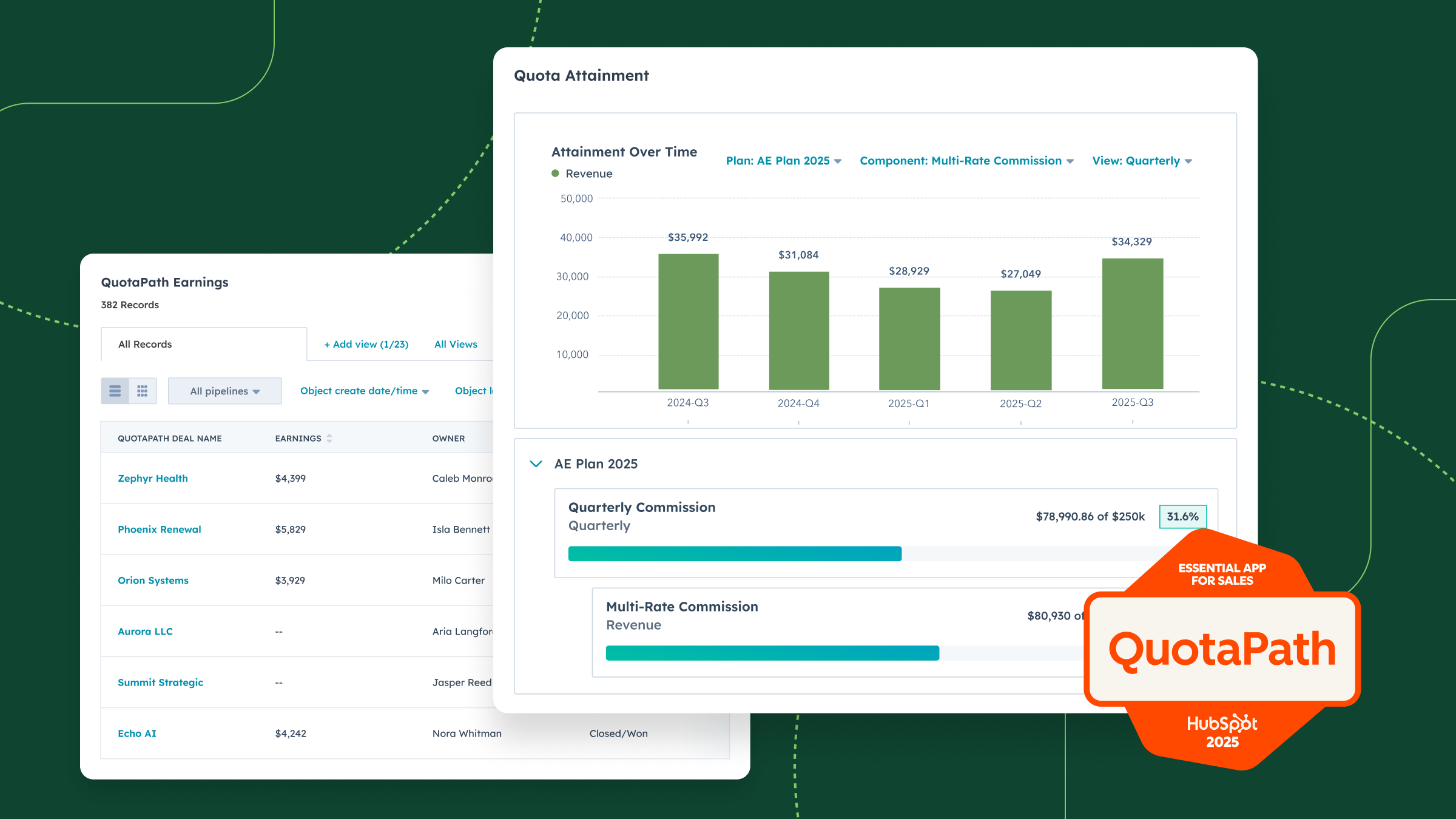
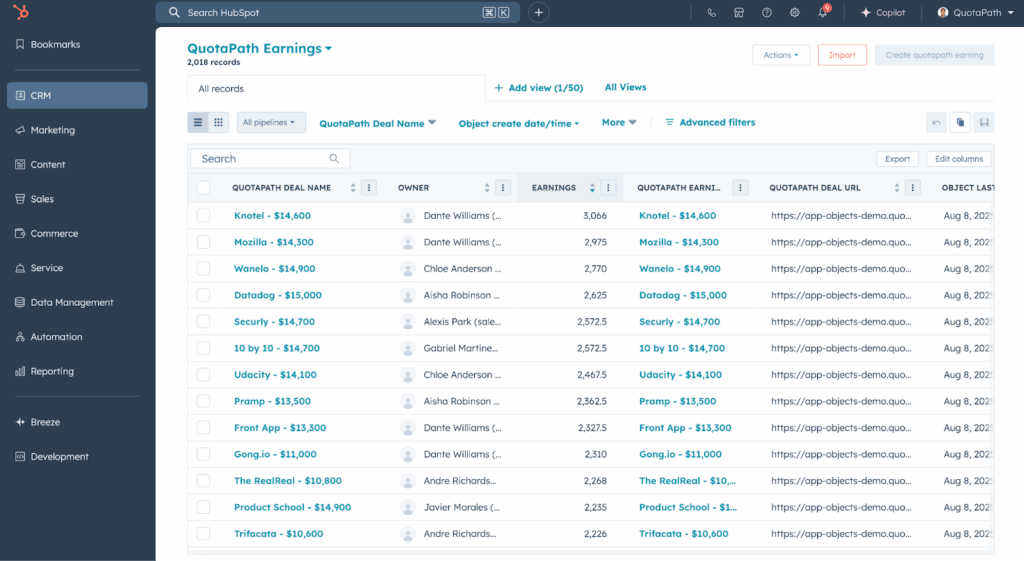
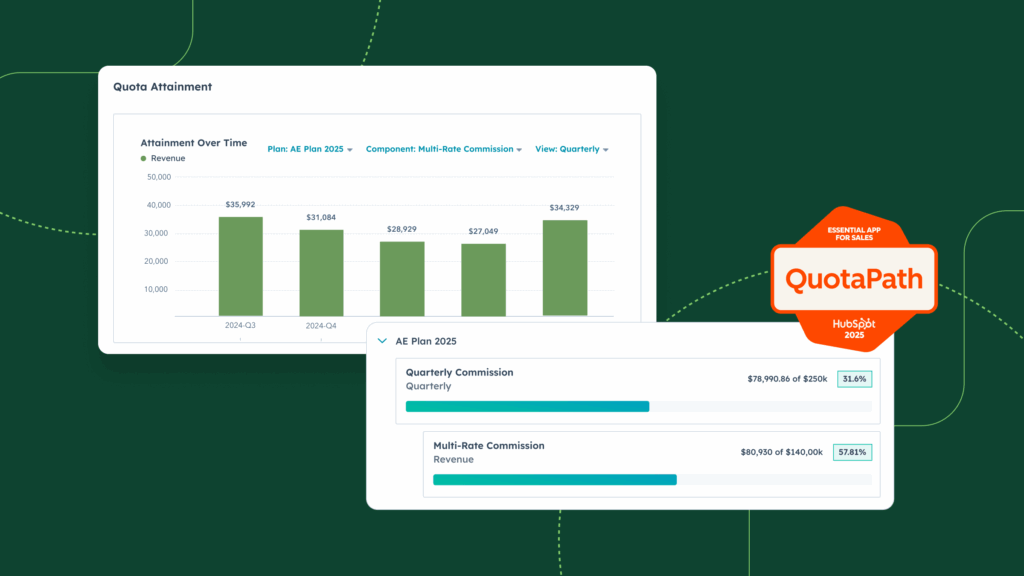
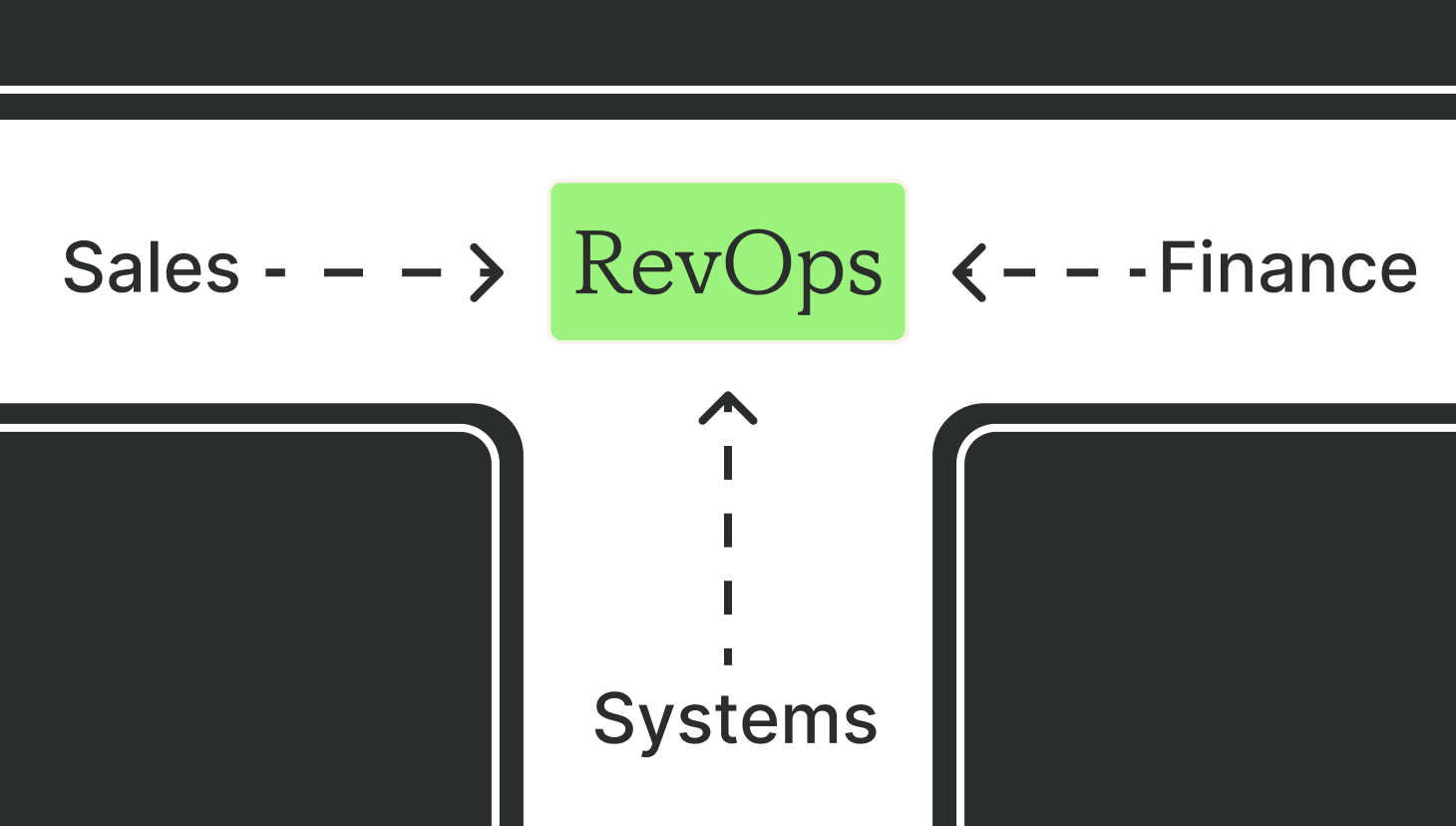
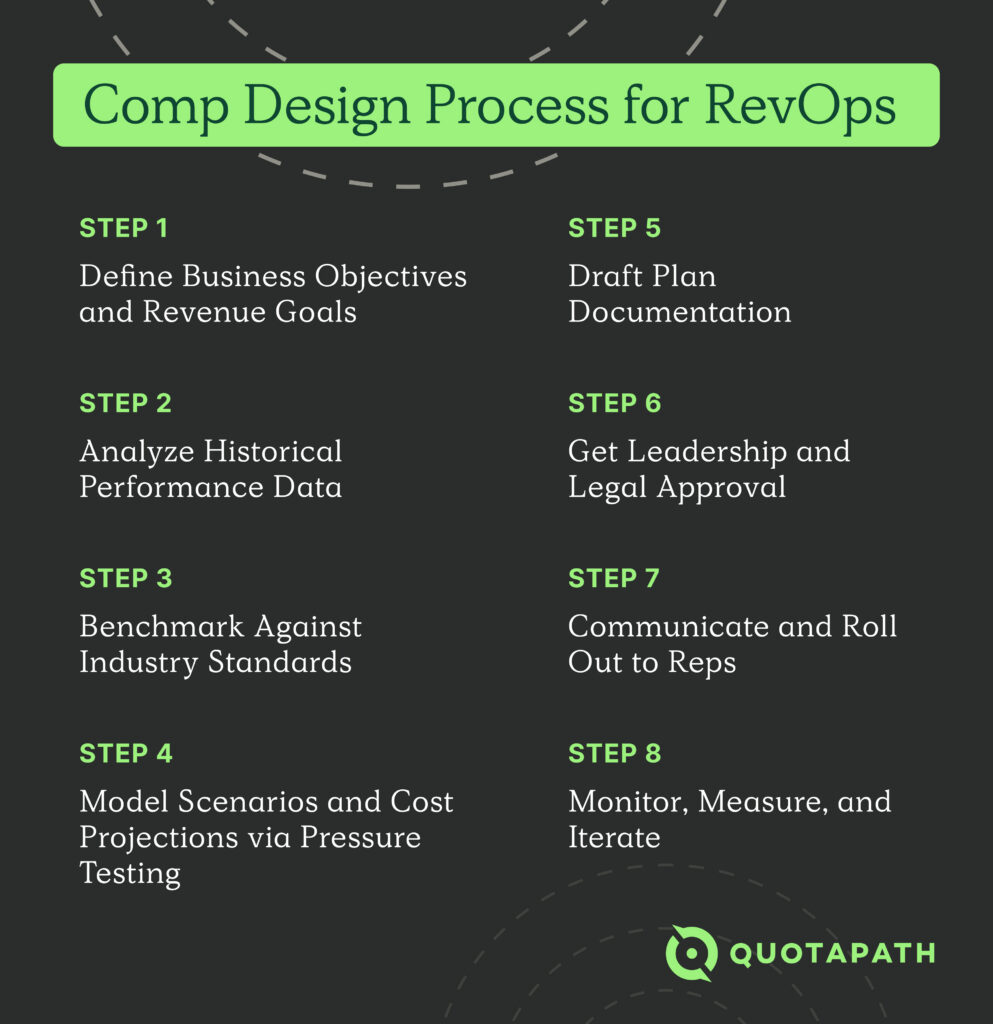

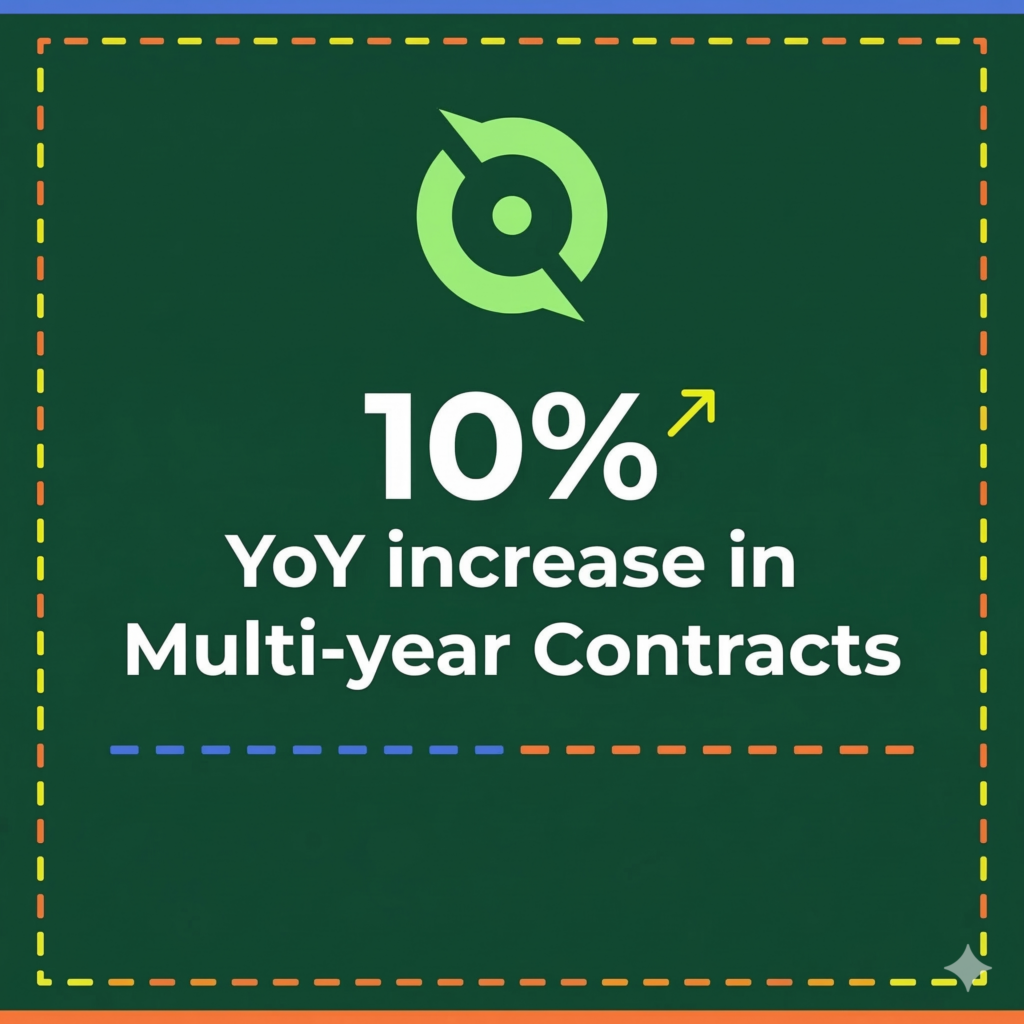

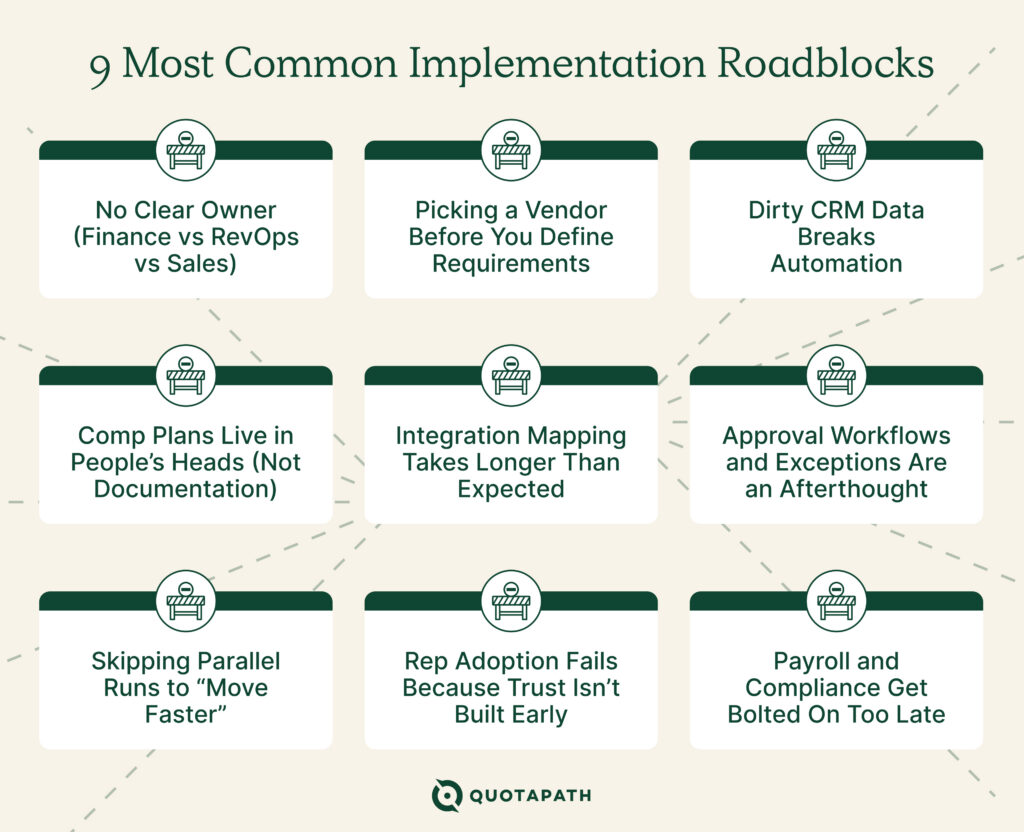

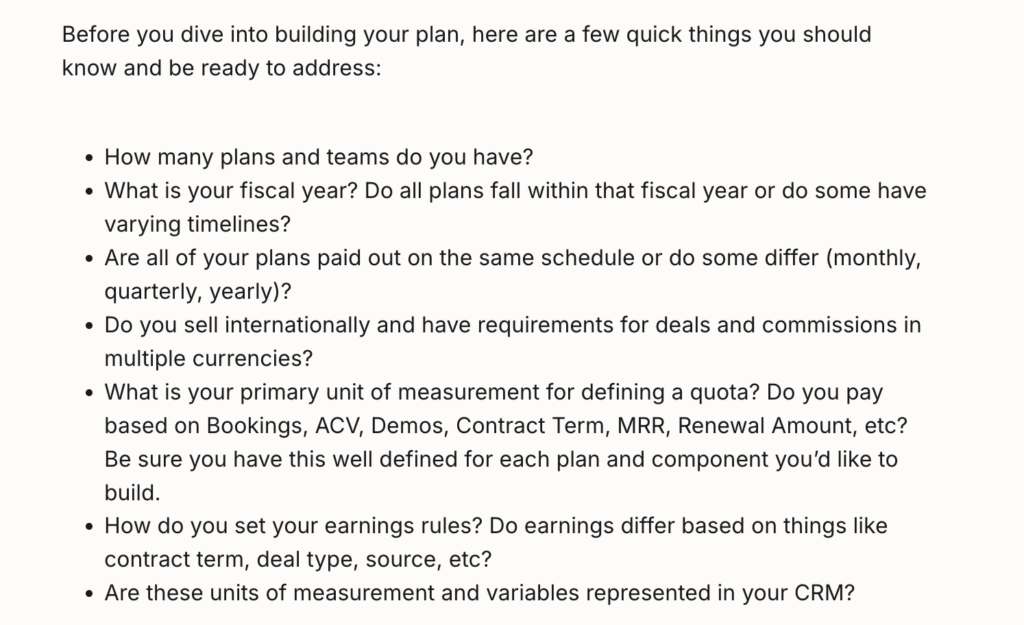

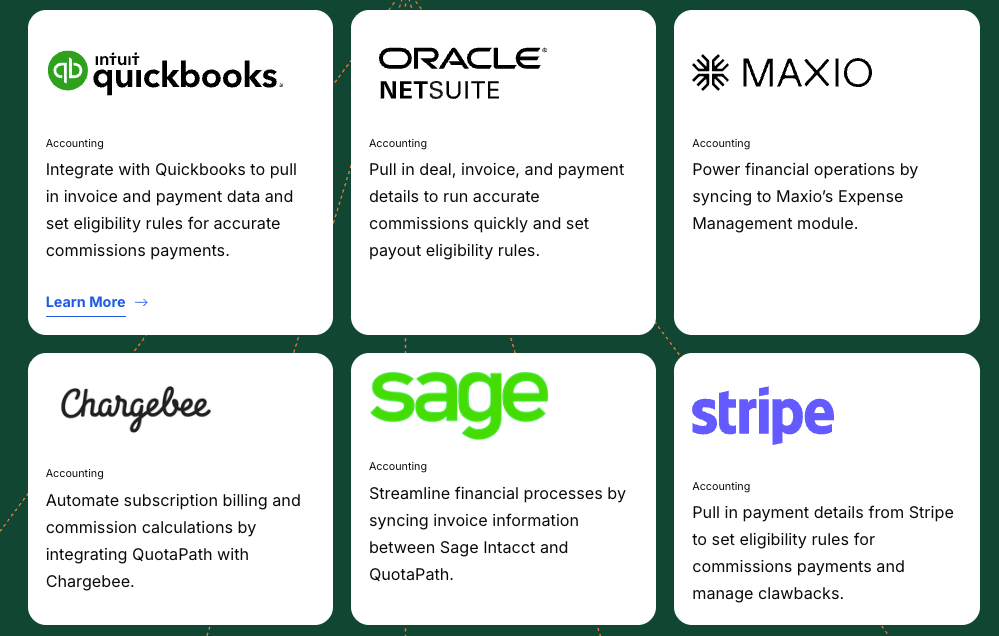



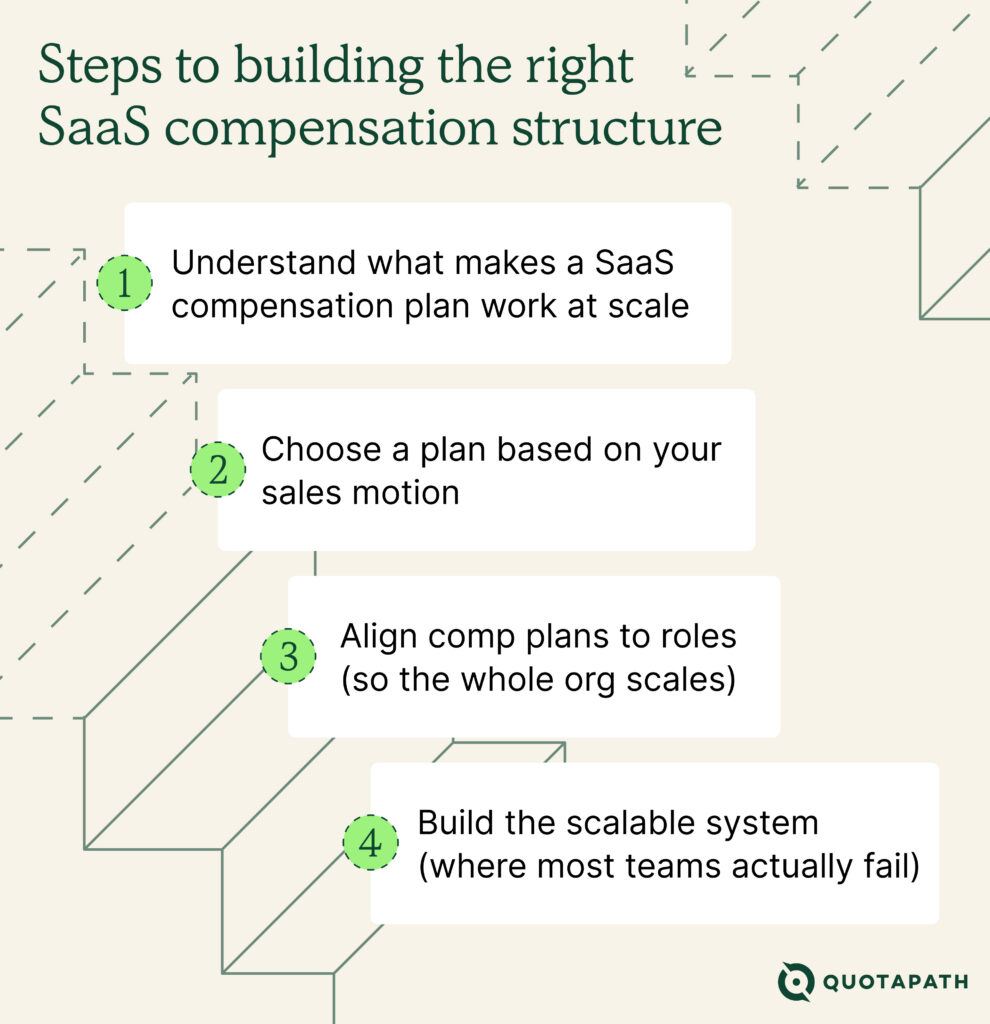

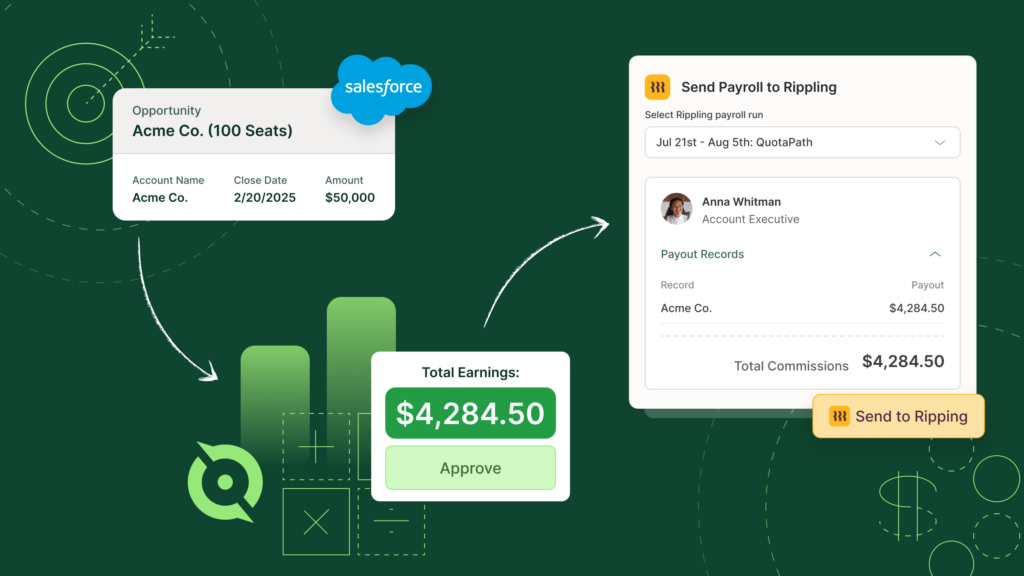

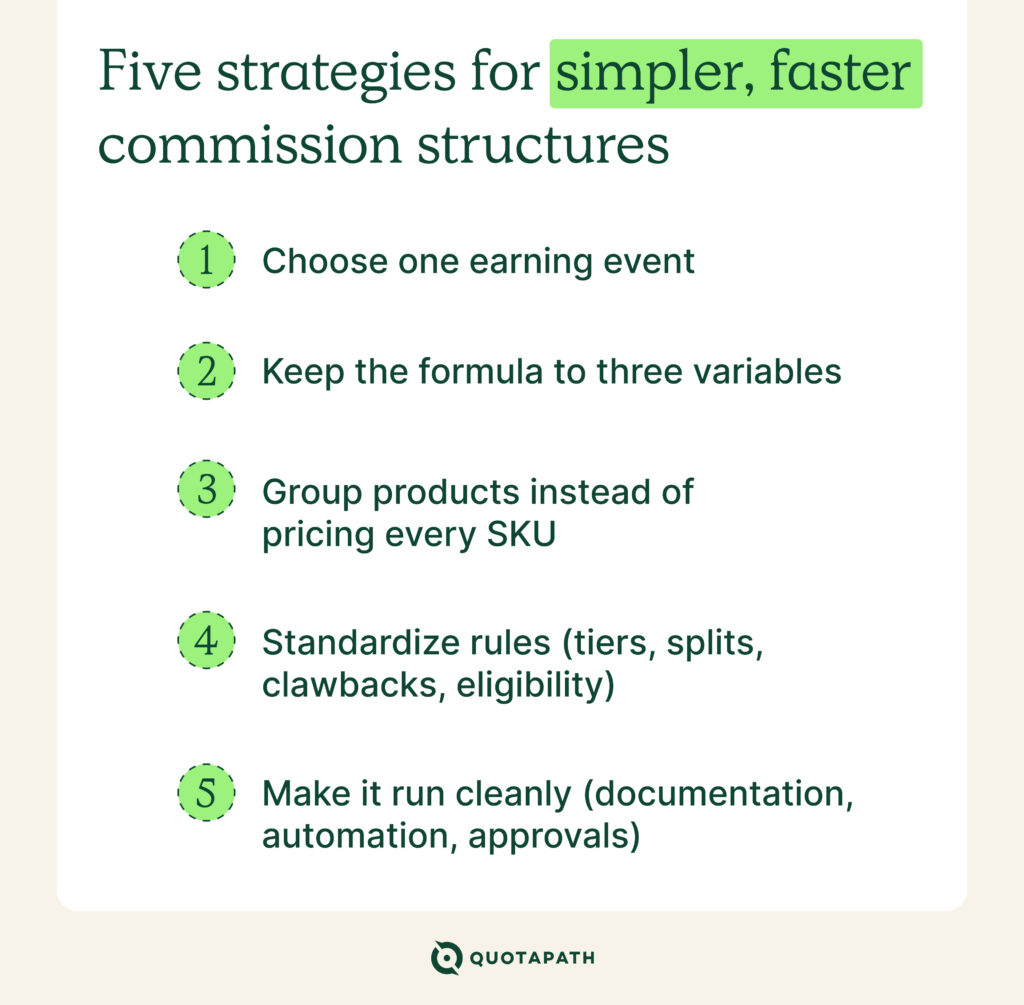


Recent Comments