At NeuroFlow, spreadsheets once ruled the commission process…not in a good way.
“Both the finance team and the salesperson were doing their own calculations in separate spreadsheets,” said Genevieve Moss-Hawkins, Systems Operations Manager at NeuroFlow. “We had to slowly come to a consensus together on what the payout would be. It was very much a manual process.”
As the health tech company grew, so did the complexity of its commission structures.
“The value we get from automating and being transparent about commission calculations is huge. It’s systems-driven from our CRM down to the payout, and that’s invaluable.”
— Genevieve Moss-Hawkins, Systems Operations Manager, NeuroFlow
Why NeuroFlow Chose QuotaPath
Genevieve discovered QuotaPath through the Philadelphia startup network and quickly saw promise in its Salesforce integration and intuitive interface.
“We loved what we were seeing, and the price was reasonable for us,” she said.
The clincher? Flexibility and fast configuration.
“QuotaPath had all our Salesforce fields available to play with and could represent the complexity of our business,” Genevieve said. “There was no question on either the finance or sales side about the payout.”
After a quick onboarding (2-3 weeks), NeuroFlow transitioned from disjointed spreadsheets to a streamlined, unified commission process.
Streamline commissions for your RevOps, Finance, and Sales teams
Design, track, and manage variable incentives with QuotaPath. Give your RevOps, finance, and sales teams transparency into sales compensation.
Since implementing QuotaPath, the time savings have been immediate and ongoing.
“The time I’m not in spreadsheets doing manual calculations is huge,” Genevieve said. “Now, I reconcile commissions quarterly, approve deals quickly, and schedule payouts efficiently.”
What used to take days now takes hours, and the finance team no longer has to act as the go-between for commission questions.
But it’s not just Genevieve who benefited from the implementation.
Reps, too, can now forecast their commissions, track payout timelines, and understand how their earnings are calculated.
“The sales team loves having the ability to see their pipeline, forecast potential commissions, and understand exactly when they’ll get paid,” said Genevieve. “QuotaPath keeps them motivated and eliminates the back-and-forth.”
From Feedback to Feature: The Power of Partnership
Additionally, throughout their 3-year relationship with QuotaPath, Genevieve has seen some of her team’s feedback go live in the product.
For instance, Genevieve’s early feedback helped shape QuotaPath’s Draft Plans feature, allowing teams to simulate and test commission models without affecting the live environment.
“Really early on, we provided feedback about wanting to mock up a plan and run scenarios without using the production environment,” Genevieve shared. “QuotaPath built and released Draft Plans. We’ve used it for at least one year of commission planning.”
Recommended Reading:
Build and test comp plans with QuotaPath’s draft plans and plan details tools.
Lastly, Genevive called out QuotaPath’s Support, describing it as a cornerstone of NeuroFlow’s success with QuotaPath.
“Anything we’ve encountered as a challenge, we’ve been able to voice and have addressed by the QuotaPath team,” Genevieve said.
That responsiveness has made QuotaPath not just a vendor, but a long-term partner.
Ready to evaluate QuotaPath?
See how QuotaPath can simplify your commission process through trusted automation, visibility, and comp plans that drive performance. Schedule a demo today.
Sales compensation planning is one of the most effective levers for driving aligned revenue growth.
However, many teams still rely on outdated or ad hoc plans, leading to confusion, misalignment, and rep churn. According to our research, 39% of companies report that their compensation plans don’t align with company goals.
A strong comp plan can be a competitive edge in attracting sales talent and supporting scaling sales incentives as the team grows. It also shapes behavior and supports performance that drives the achievement of organizational goals.
This guide outlines how businesses can design smart, scalable sales compensation plans to motivate reps and drive revenue growth.
Understanding compensation planning and its objectives will help you create a more effective sales compensation plan.
Sales compensation planning is the strategic process of designing, implementing, and evolving compensation plans to align sales activity with business growth goals. Comp plans serve two core functions: motivating seller behavior and controlling cost of sale.
A good sales comp plan can do more than pay reps: it can help founders and operators identify scalable, intentional selling motions. For example, a comp plan rewarding longer-term contracts or multi-product deals can directly support strategic goals around runway and sales compensation.
According to Sangram Vajre and Lindsay Cordell in HBR, “too many companies still oversimplify by assigning quotas and commissions based solely on what segment (enterprise, mid-market, SMB) a seller is pitching. This traditional approach results in overpaying some salespeople and underpaying others, without accounting for two key factors.”
These factors include which go-to-market (GTM) tactics you are using, and where your company is in its business evolution. They continued by stating, “most B2B companies should revisit sales compensation at least once a year no matter what.”
Using Equity vs Compensation Structures
As your business builds out its compensation strategy, it’s important to consider not only how much to pay but also how to pay. Balancing cash compensation and equity can help you stay competitive in the talent market while aligning incentives with both short—and long-term goals.
Equity-based compensation can be a strategic tool for startups and small businesses to attract top sales talent when cash flow is limited. Offering equity aligns sales reps’ interests with the company’s long-term success, fostering a sense of ownership and commitment.
Cash compensation provides immediate rewards and is often preferred by sales professionals prioritizing short-term earnings. Balancing equity and cash ensures competitiveness in the market while managing financial constraints. According to HubSpot, smaller companies (fewer than 10 employees) often offer equity stakes ranging from 0.5% to 1% to attract talent.
Early-stage startups may offer equity to compensate for lower salaries and to incentivize early employees to contribute to the company’s growth. Equity is particularly effective for roles that significantly impact the company’s trajectory, such as sales leaders or high-performing sales reps. The Follow Up suggests that sales reps at seed-stage startups might receive approximately 1-3% equity, while those at Series A stages receive smaller percentages.
Implementing vesting schedules, typically over four years with a one-year cliff, is crucial to ensuring long-term commitment. Holloway’s guide emphasizes the importance of structuring equity plans with clear vesting terms to align employee incentives with company goals.
Designing Your Business’s Sales Compensation Structure
Creating a strong compensation structure means choosing the right components for your business stage, team roles, and revenue model. Each element plays a key role in shaping rep behavior and driving performance, from base salary to commission rates to payout frequency.
Component
What It Is
Tips for Small Businesses
Base Salary vs. Commission Mix
The balance between guaranteed pay and performance-based earnings
For startup sales teams, consider a 50/50 or 60/40 split to offer some stability with strong performance upside
Quota Setting
Target revenue or activity goals for a rep to achieve
Set realistic quotas based on historical data, rep experience, and funding stage
Commission Rates
The percentage a rep earns on closed deals
Use tiered rates to encourage over-performance (e.g., 5% up to quota, 8% beyond quota)
Accelerators & Milestones
Bonus rates or flat bonuses for exceeding targets or hitting key milestones
Reward high performers with accelerators (e.g., multi-product deals or long-term contracts)
Plan by Role Type
Tailored comp plans for different sales roles (AE, SDR, AM, etc.)
SDRs may benefit from activity-based incentives; AEs from deal value commissions
Equity Considerations
Offering company stock or options as part of the comp package
In early-stage businesses, equity for sales can compensate for lower base pay
SPIFs (Short-Term Incentives)
One-off bonuses for specific behaviors or deal types
Use SPIFs to drive specific outcomes (e.g., closing a feature launch deal, upselling during a slow month)
Payout Frequency & Eligibility
How often reps are paid and what conditions must be met
Monthly or quarterly payouts; align eligibility with payment received or customer onboarding
Not all commission structures are created equal—businesses must tailor plans to team roles, company stage, and growth goals. Clear, motivating incentives that are easy to understand and directly linked to outcomes that the business cares about are essential when creating incentive programs.
Account Executive (AE) Incentive Structures
Typically, quota-carrying roles responsible for closing new business, upsells, or renewals:
Use tiered commission rates (e.g., 5% up to quota, 8% beyond quota) to reward overperformance
Add accelerators for multi-year deals, multi-product sales, or self-sourced pipeline
Include SPIFs for strategic initiatives (e.g., new product launches or new logo wins)
AEs at early-stage companies may benefit from equity for sales to make up for leaner base pay
RevOps, sales leaders, and finance teams use our free tool to ensure reps’ on-target earnings and quotas line up with industry standards. Customize plans with accelerators, bonuses, and more, by adjusting 9 variables.
Meanwhile, SDRs are most commonly compensated on meetings booked, qualified opportunities, or pipeline sourced
Incentives can be tied to:
Number of demos scheduled
% of demos that convert to opportunities
Total pipeline generated
You can also use a points-based system or flat bonus per qualified lead for clarity. Consider monthly SPIFs for team contests or time-bound pushes. For instance, a SPIF like “book 10 demos by EOM” helps drive high activity volume while aligning SDRs with broader GTM success. These short-term incentives boost morale, create a sense of urgency, and reinforce key behaviors that support pipeline growth.
When used strategically, SPIFs complement your core compensation plan by giving teams focused, achievable goals contributing to larger revenue outcomes. For compensation plan templates for SDRs, check out our library: SDR Comp Plan Templates
Common Challenges in Sales Compensation
Below are some of the more common challenges. However, many small organizations and startups don’t have historical data from which to build new comp plans, leaving them with a lot of guesswork. That’s why starting with a simple basic plan to get started is necessary with the ability to adjust plans mid-year as you learn more about average sales price, sales cycle length, and closed/win ratios.
Liz Christo suggests, “I’d pull back to a quarterly quota. This allows you to mimic building an annual plan but gives you the flexibility to set appropriate quotas as you see changes in your sales cycles. It also sets everyone up for success, knowing they aren’t signing on for a plan that is daunting and too far away.”
Managing Compensation on a Tight Budget
To effectively manage compensation with a limited budget, offer performance-based incentives, then focus on non-monetary rewards, recognition, and desirable benefits. This approach can help maintain employee motivation and satisfaction without exceeding budget constraints.
Aligning Incentives with Company Goals
Even well-structured incentive programs will fail if they aren’t aligned with business objectives. Start by clearly defining company goals and identifying sales rep behaviors that support these goals. Then, incentivize those behaviors to drive business objective achievement.
Preventing Sales Team Burnout
To prevent sales team burnout, focus on compensation transparency, clear paths to sales quotas, and a balance between rewards and recognition. Provide teams with an application, like QuotaPath, for visibility into progress toward compensation milestones that help prioritize deals that will push them over the mark. Consider providing flexible compensation options and mental health resources, and fostering a culture that values work-life balance.
Scaling Sales Incentives as Your Business Grows
As your team and revenue goals evolve, your sales compensation plan should grow with them. Building in scalability from the start allows you to adapt quickly, align incentives with your sales strategy, and support sustainable performance across the entire sales organization.
Start simple, scale with structure: Avoid overengineering early on. Begin with a clear, easy-to-administer plan and layer in complexity as your team and revenue model evolve.
Tie incentives to evolving GTM priorities: As your go-to-market motion shifts, ensure comp plans evolve to reinforce the right behaviors and outcomes.
Adjust based on team maturity and data quality: More mature teams and better data allow for more nuanced plans and sales performance metrics.
Introduce leadership or manager plans: Motivate leadership by aligning their incentives with coaching effectiveness, team attainment, and strategic execution.
Incorporate team and multi-level quota rollups: Enable collaboration and accountability by tying manager and rep incentives to team targets.
Create plan flexibility to accommodate different sales motions: Customize incentives for roles focused on new business, expansion, renewals, or channel sales.
Monitor payout consistency and ROI: Regularly review how incentive spend aligns with performance outcomes to ensure the plan delivers value.
Build equity refresh cycles for long-tenured sellers: Offer long-term incentives beyond the initial grant to keep top performers invested.
Document everything: Outline plan mechanics, policies, and exceptions clearly in a centralized location to avoid confusion and misalignment.
Tech Stack for Sales Teams
The right tools help small businesses scale efficiently, improve visibility, and reduce manual errors. The tech stack should support both revenue generation and compensation transparency.
For example, this list of key tech stack elements meets this criteria:
Sales compensation planning is one of the most powerful levers for driving aligned revenue growth. However, many businesses rely on outdated, inconsistent approaches that create confusion, misalignment, and rep turnover. A well-designed commission structure garners employee motivation while reinforcing the behaviors that drive business objective achievement.
As your company grows, your compensation strategy must evolve alongside it. Building plans that scale, support your go-to-market goals, and attract top talent sets you up for long-term success.Work with QuotaPath on your sales compensation plans.
This guest post on becoming a strategic revops leader was written from our friend James Geyer, Co-founder of AccountAim.
Revenue Operations (RevOps) is one of the fastest-growing functions in B2B.
As companies seek more cross-functional alignment, consistent growth, and better customer experiences, RevOps is moving from a back-office support role to a top-line driver of business performance.
But not everyone fully understands RevOps yet. Many organizations still treat RevOps as a reactive function: a Salesforce admin, a report builder, a catch-all for GTM drudgery. And for many RevOps professionals, that limited perception makes it hard to grow. Even senior operators struggle to earn a seat at the leadership table, let alone shape strategy.
That’s what makes Katherine Zhang’s story so compelling.
Katherine spent her early career in strategy consulting before transitioning into sales and RevOps leadership roles at enterprise-scale companies, including EMC and Dell. She went on to become SVP of RevOps at Project44, where she built the function from the ground up, and now serves as CEO of OPEXEngine — proving just how far RevOps leaders can go when they’re positioned as strategic partners, not taskmasters.
Below, Katherine shares what it takes to build credibility, influence the go-to-market strategy, and evolve from an order-taker to an executive leader.
Recommended Reading
From Sales Rep to CRO: An interview with Cliff Simon
Katherine Zhang is the CEO & GM of OPEXEngine by Bain & Company, the leading performance benchmarking solution for SaaS and software companies. Previously, she spent over a decade building and leading growth strategy and revenue operations teams to scale tech companies including Project44 and Relativity.
How to become a strategic RevOps leader: Q&A
First, how do you define RevOps?
I see RevOps as the alignment and coordination of go-to-market resources to enable the ideal customer journey. That means aligning on strategy (who we’re targeting and what experience we want to create), coordinating the right processes to deliver on that strategy, and executing in a way that consistently supports the customer throughout their journey.
And, what attracted you to RevOps and what keeps you in it?
I love building teams and solving complex problems. In RevOps, there’s always something new to fix whether it’s improving the forecast, refining handoffs, or rolling out new tools. I also enjoy the variety. In one day, I might go from reviewing the pipeline with marketing, to discussing compensation with finance, to meeting with IT about systems changes. That breadth keeps things interesting.
What’s the difference between reactive and strategic RevOps?
At the start, RevOps has to be reactive. There’s foundational work that just has to get done. But if you stay in that mode, you become an implementer, not a decision-maker. The shift to strategic happens when RevOps starts bringing ideas forward. Instead of waiting for someone to ask for a report, you’re saying, “Here’s a new insight and what I think we should do about it.” That’s when you earn trust and influence.
“Strategic RevOps means understanding not just what the data says, but what it means for the business.”
What does it take to become a trusted strategic partner?
Start by nailing the basics. You need a function that runs well and consistently. But trust doesn’t come from perfection. It comes from being transparent about what your data shows and what its limitations are. You don’t need perfect data to be credible. You need to understand the data deeply, explain where it might be incomplete, and still offer a confident recommendation.
How do you communicate the value of RevOps to leadership?
RevOps becomes the hub of commercial operations. The place people go to understand how go-to-market is functioning. Especially in larger orgs, where no one has full visibility, RevOps becomes the connective tissue. Yes, you’re building systems. But you’re building systems that translate strategy into coordinated execution and align the business around it.
For someone earlier in their RevOps career, how can they grow into a more strategic leader?
Two pieces of advice. First, know your strengths and the blind spots that come with them. I’m great at simplifying complex problems, but I know that can make me prone to missing details. So I make sure to bring subject matter experts into the conversation to close that gap. Second, observe the leaders around you. What behaviors earn respect? How do they influence a room? That kind of organizational awareness is just as important as technical skills.
About AccountAim
AccountAim is the planning and analytics platform built for Strategic RevOps teams. With AccountAim, RevOps teams connect all of their fragmented GTM data, automatically snapshot and see trended changes over time, and build full-funnel reporting — all without SQL or data team support.
Learn how Strategic RevOps teams use AccountAim to streamline forecasting, territories, cross-sells and more here.
What challenges emerge when building RevOps at scale?
At scale, you can’t rely on tribal knowledge anymore. Every exception starts to create ripple effects across the system. So you need to define clear processes and stick to them. That requires more than policy. It requires communication. I’ve seen huge success just by explaining why a new rule or change exists. When people understand the impact, they’re much more likely to adopt it.
What do you see as the biggest opportunity in RevOps tech today?
Two areas stand out. First is data. We’ve spent years building tools to collect and report on data. However, we now need tools that help us interpret it, spend less time extracting data, and more time acting on insights. Second is enablement. We need to meet the field where they are. Spreadsheets and email aren’t going to cut it. We need tech that embeds into their daily workflows, whether that’s Slack, CRM, or somewhere else.
Lastly, how do you approach getting up to speed on data in a new org?
Be curious. Whether you’re a junior team member or a senior leader, start by listening. Ask how processes came to be. Sit with subject matter experts. Don’t just learn what’s happening, learn why. That context will help you spot gaps and opportunities others might miss. Take a page out of the sales rep playbook and embrace discovery as a foundational RevOps skill.
********************
Thanks for the thoughtful Q&A, James and Katherine!
Streamline commissions for your RevOps, Finance, and Sales teams
Design, track, and manage variable incentives with QuotaPath. Give your RevOps, finance, and sales teams transparency into sales compensation.
Sales compensation is more than just pay—it’s a strategic investment. In 2025, forward-thinking companies are designing comp plans not only to reward performance but to shape it. A well-built plan doesn’t just pay reps—it influences which deals they prioritize and how they sell.
The stakes are high: Misaligned or overly complex compensation plans remain one of the biggest culprits behind rep confusion, low morale, and missed business targets. According to recent reports, 39% of revenue leaders admit their plans don’t align with business goals, and most reps don’t fully understand how they’re paid.
The modern comp plan needs to be transparent, data-driven, and adaptive. With evolving go-to-market strategies, multiple sales roles, and dynamic revenue models, building a plan in 2025 means planning for agility and clarity from day one.
Comp plans are performance drivers—not just post-sale math. When sellers can forecast earnings based on pipeline and understand their plan structure in real time, they’re more likely to focus on deals that move the needle. For instance, by prioritizing multi-year, multi-product, or high-margin opportunities).
This guide will break down the essentials.
From understanding the role of compensation in motivation, to modeling, launching, and tracking your plan—this article will walk through the components and steps you need to confidently build and manage a comp plan in 2025.
Streamline commissions for your RevOps, Finance, and Sales teams
Design, track, and manage variable incentives with QuotaPath. Give your RevOps, finance, and sales teams transparency into sales compensation.
Before you start building your plan, it’s important to understand sales compensation and why it matters for rep motivation and company growth.
A sales compensation plan is a structured framework that outlines how sales reps are paid based on their performance. It is designed to motivate salespeople to generate revenue and achieve sales goals, thereby driving organizational objectives.
Base salary: a fixed amount of money that an employee is paid on a set schedule, regardless of their performance.
Variable pay: a type of compensation linked to an employee’s performance or outcomes, typically offered in addition to the base salary.
Commission structure: a set of rules that define what reps get paid for as well as when and how they get paid for their sales results.
Incentive programs: monetary and non-monetary rewards and recognition given to sales reps when they hit or exceed their sales targets.
Sales compensation plans are key sales team motivational tools to drive organizational objective achievement. It helps to understand why this is true before you build a sales compensation plan for your business.
Importance in Motivating Sales Teams
Sales compensation is a strategic lever for aligning individual motivation with company success. When thoughtfully designed, comp plans create more than just financial rewards. They provide reps with a clear sense of purpose and direction that links their success to the company’s growth.
Aligning incentives with business goals ensures sales teams focus on outcomes that matter. For example, if expanding in a specific region is a top priority, linking earnings to performance in that territory guides reps to concentrate their efforts there. This alignment improves motivation, sharpens decision-making, and ensures resources are applied where they’ll have the most impact.
Well-aligned plans also encourage greater collaboration across teams. For instance, shared performance targets between marketing, sales, and customer success create a more coordinated, efficient go-to-market strategy where everyone pulls in the same direction. This highlights how comp plans are your most important lever to drive specific selling behaviors.
Core components of a comp plan laid out in QuotaPath.
Key Components of an Effective Plan
Every effective compensation plan is built from core components that work together to drive performance, ensure fairness, and align with business goals.
Component
What to Cover
Why It Matters
Commission Structure
– Define how commissions are calculated- Include accelerators, thresholds, caps, and cliffs- Real-time visibility for reps
– Avoid overly complex rules- Ensure reps can explain how they earn in 30 seconds
Builds trust and drives behavioral alignment
Modeling & Forecasting
– Use tools like QuotaPath to simulate earnings- Allow reps to forecast commissions from pipeline
Enables better planning and pipeline prioritization
Approval Workflows
– Multi-level review (rep → manager → finance)- Transparent sign-offs for changes and payouts
Reduces errors, builds accountability
Benchmarking & Iteration
– Use industry data for comp design- Set cadence for quarterly/annual plan reviews
Keeps plans competitive and aligned with GTM changes
Alignment with Revenue Targets
– Every comp element should connect to GTM priorities- Adjust for new products, customer segments
Ensures compensation fuels company growth
Steps to Build a Sales Compensation Plan
Following these best practices will help you create an effective sales compensation plan.
Define clear sales objectives
Defining clear sales objectives creates a foundation for a compensation plan that drives the right behaviors. When reps understand the outcomes they’re working toward, they’re more likely to stay focused, motivated, and aligned with company goals. Without this clarity, even a well-designed comp plan can miss the mark, rewarding activity that doesn’t contribute to organizational goal attainment.
Common sales objectives include:
Revenue targets set expectations for top-line growth and help shape quotas, accelerators, and thresholds.
Customer acquisition goals focus on bringing in new business and reward reps for landing first-time deals.
Upselling and cross-selling KPIs motivate maximizing value from existing accounts, encouraging reps to expand customer relationships over time.
By anchoring your plan to these objectives, you ensure that compensation is tied to meaningful progress.
Segment your sales roles
Segmenting your sales roles ensures that each team member is incentivized based on the outcomes they directly influence. This step is key to creating fair, effective plans that motivate the right behaviors across the organization.
Start by designingrole-specific compensation that reflects each role’s responsibilities and impact. For example, account executive vs SDR pay models prioritize different activities. While AEs are rewarded for closed-won deals, SDRs may be rewarded for meetings booked or qualified opportunities.
Compensation by sales region or product is another type of segmentation. In this case, pay structures are adjusted to account for territory complexity, market maturity, or differences in deal size. Tailoring compensation to each role segment helps drive performance more effectively than a one-size-fits-all model and supports long-term rep satisfaction and retention.
Sales Compensation Statistics
The median sales representative salary in the U.S. is $63,230.
The best-paid sales reps (top 25%) made $93,280
The lowest-paid reps (bottom 25%) made $47,220.
Sales managers made an average annual salary of $150,530.
Insurance sales agents made an average of $76,950.
Achieve the right mix of compensation components by selecting elements that reflect your sales strategy, drive desired behaviors, and offer enough upside to keep top performers motivated. Which components you choose will be different for a startup with a small sales team than an enterprise business with a large team.
A single rate commission is the simplest approach, offering a flat percentage for each deal closed. It’s easy to understand and works well for a shorter sales cycle or transactional sales. However, a tiered commission structure increases the commission rate as reps hit higher performance levels, encouraging overachievement by rewarding sustained success and boosting sales team motivation.
Encourage consistent sales performance by adding accelerators and decelerators to your mix of sales incentives. Accelerators boost commissions for exceeding quota, and decelerators reduce incentives when reps fall short. By carefully selecting and combining these components, you can build a plan that balances clarity, fairness, and sales team motivation.
Set performance metrics and quotas
Sales quotas and performance metrics clearly define what is expected of reps, provide them with targets to pursue, help track progress, and motivate behaviors that support business objective achievement. These benchmarks also help management evaluate success, identify improvement areas, and refine compensation plans.
Today’s market requires different sales KPIs than in previous years. Historically, conversion rate, pipeline coverage, or win rate were sufficient. However, customer acquisition cost (CAC), lifetime value (LTV), gross revenue retention (GRR), and quota attainment rates should also be tracked to ensure sustainable growth while minimizing risks. Recurring revenue businesses also track MRR/ARR targets that align closely with long-term growth.
Following quota-setting best practices helps ensure quotas are a balance of challenging and achievable, keeping reps motivated. These practices include aligning sales quotes with business objectives, basing them on historical data, factoring in territory potential, and leveraging industry benchmarks help set you up for success.
Ensure plan compliance and transparency
Compliance and transparency are essential to building trust, increasing plan adoption, and boosting sales team motivation. When reps understand how they’re paid and have visibility into the calculations behind each payout, disputes are reduced, morale is boosted, and time is saved for finance and enablement teams.
For instance, maintain clarity and prevent errors through multi-level approval workflows, where reps approve commissions before the manager and finance sign-off, reducing disputes. Once the books are closed, locked plan data ensures that earnings are immutable, preventing overpayments. Giving reps access to an earnings dashboard, where they can see real-time earnings tied to each deal in HubSpot or Salesforce, further improves visibility.
Deal-level traceability allows reps to click into each payout to see the exact calculation logic behind their commission. In-app flags let reps flag a deal if something looks off, which notifies admins automatically.
Model and test the plan
Before rolling out your compensation plan, it’s critical to model and test how it will perform in real-world scenarios. This step helps you catch potential issues, avoid costly surprises, and ensure the plan is both motivating for reps and financially sustainable for the business. Without thorough testing, you risk overpaying on certain deals or creating incentives that don’t align with your sales goals.
Use plan performance modeling to forecast the costs of commissions across attainment bands before launch. This gives you a high-level view of how payouts scale for different performance levels. Run a scenario simulation to test the impact of paying higher on multi-year contracts on total commission expense, for example. This helps you understand how specific plan tweaks affect cost and behavior.
A blended rate analysis helps you understand the total cost of sale under different deal compositions. Historical back testing, where you apply new plans to last year’s data to estimate over and underpayment risk. These techniques give you confidence that the plan will perform as expected before it hits the field.
Communicate and roll out the plan
Even the best compensation plan will fall flat if it’s not clearly communicated. Reps need to understand how the plan works, how they earn commissions, and how to maximize their earnings. A thoughtful rollout ensures alignment, increases plan adoption, builds trust, and sets your team up for a strong start.
Rep training sessions, where you host a live walkthrough of the plan structure and earnings components are essential. To reinforce key details, use in-app tooltips and guides. Use a tool like QuotaPath to embed explainer text directly within each component to proactively answer reps’ plan questions.
Require e-signatures within QuotaPath so admins know who has reviewed their plan to streamline plan acknowledgment workflows. Keep the lines of communication open beyond launch. As you conduct quarterly comp reviews invite reps to give feedback, then refresh SPIFs as needed.
The sales compensation plan isn’t static. Ongoing tracking and optimization help determine what’s working, identify gaps, and make data-driven adjustments that improve both performance and cost-efficiency over time.
Attainment vs. quota dashboards allow you to view real-time rep performance versus goal to spot trends early. Forecasting pipelines enables reps to see how their pipeline mix impacts projected earnings, encouraging more strategic deal prioritization. Reporting on comp effectiveness shows leaders which components influence behavior and outcomes.
When it’s time to refine the plan, plan iteration and versioning allow you to easily clone, edit, and roll out updated plans mid-year. For data-driven optimization, use blended rate and attainment curve data to adjust next year’s plan. By consistently tracking and fine-tuning your comp plan, you ensure it continues to drive the right results at every growth stage.
Measuring comp plan performance via QuotaPath Reports.
Measuring the Success of Your Sales Compensation Plan
It’s essential to track the performance of incentive programs. Measuring success across key areas helps you understand what’s working, identify opportunities for improvement, and ensure the plan continues to drive the right outcomes over time.
Sales Performance Measuring overall sales performance helps you understand whether the plan is effectively driving revenue and goal attainment. – Revenue Growth: Track overall sales growth post-plan implementation. – Quota Attainment: % of reps hitting quota; compare across roles and tenure. – Deal Quality: Look for increases in multi-year, multi-product, or strategic deals.
Rep Productivity Rep activity levels and output reveal if the plan motivates efficient, high-impact work. – Pipeline Conversion: How efficiently pipeline turns into closed revenue. – Ramp Time: Time it takes new reps to reach full productivity. – Activity Metrics: Meetings booked, demos run, proposals sent.
Team Retention & Health Monitoring turnover and engagement helps ensure your plan supports long-term team stability and morale. – Rep Turnover: Changes in voluntary/involuntary turnover post-plan. – Promotions & Career Pathing: Are top performers staying and growing?
Operational Efficiency Assessing how smoothly the plan runs shows whether it’s scalable and manageable. – Commission Accuracy: Reduction in over/underpayment errors. – Admin Time Saved: Fewer hours spent calculating, reviewing, and approving commissions.
Rep Satisfaction Gathering rep feedback highlights whether the plan feels fair, transparent, and motivating from the field’s perspective. – Plan Clarity: Do reps understand how they’re paid? Run surveys or feedback sessions. – Team Morale: Use sales team NPS or pulse checks to gauge motivation and trust
Strategic Alignment Evaluating how well the plan supports broader company goals ensures it’s driving the right kind of sales. – Behavioral Impact: Is the comp plan incentivizing strategic revenue such as land-and-expand, upsells. – Forecast Accuracy: Are reps able to predict earnings based on pipeline?
Try QuotaPath for free
Try the most collaborative solution to manage, track and payout variable compensation. Calculate commissions and pay your team accurately, and on time.
Effective sales incentive programs require continuous optimization. Use the information and best practices we’ve discussed to build a sales compensation plan to increase sales team motivation and drive organizational objective achievement.
Schedule time to learn about QuotaPath as a partner to create strategic comp plans and efficient payroll workflows.
You research a lead, get a good feeling about them, find their contact information, reach out, and… you get a rejection.
And then it’s back to researching. Over and over and over again. Have you ever tried, then, using a different method, such as a sales lead database?
A sales lead database can help you streamline this process, automating the search and verification of contact details and allowing you to conduct outreach on a larger scale.
In this article, you’ll learn everything you need to know about sales lead databases.
Let’s jump in.
What is a sales lead database?
Image via Unsplash
A sales lead database is a repository of all your sales leads, key decision-makers, and contact information.
It’s more than just a list, though.
Having a database of sales leads can help you learn more about your potential customers, segment leads into actionable categories, and personalize your sales pitch presentation to each decision-maker based on data.
A sales lead database is your instruction manual for finding, qualifying, verifying, and contacting leads.
The benefits of using a sales lead database
If you still think you don’t need a sales lead database, looking at the benefits might convince you of its necessity.
This kind of database:
Keeps all of your lead data in one place for easy searching and a more streamlined workflow
Frees up time during sales prospecting. If one lead doesn’t work out, you can move right on to the next
Allows you to target multiple businesses at once based on commonalities
Allows you to learn more about your leads and craft personalized outreach based on relevant data
Increases sales efficiency at scale and ultimately leads to more conversions.
Sales lead database: Best practices to automate outreach and boost efficiency
Free to use image sourced from Unsplash
There are a couple of ways you can acquire a sales lead database – depending on the size of your company, your sales requirements, and your budget. You can either build your database or purchase one from a SaaS provider.
Let’s go through both options in detail.
Build your own sales lead database
Sales lead database software can be expensive, and SMBs and startups might not have the budget for a dedicated provider.
Creating your own database will take time and effort upfront, but it’s a cost-effective solution to fueling sales efficiency down the line. And once the bulk of the database is compiled, it’s quick work to add to it as you discover more leads over time. Here’s how you do it.
Collect the data
The first step is data collection. You’ll want to gather a company’s:
Name
Size and number of employees
Financial information
Contact information, including phone numbers, email addresses, physical addresses, etc.
Structure, including who the executives and key decision-makers are.
The first four steps are relatively simple. Business information is regularly reported to government agencies, and third-party directories scrape that information to add to their own repositories.
The fifth step is a little more intensive. To find a company’s decision-makers and their direct contact information, you might have to dive deeper into their website, social media, or LinkedIn profiles.
Government websites
Different regions have their own business reporting regulations, but most have some kind of government directory of businesses. Luckily for us, these websites are accessible to the public.
Websites like the Better Business Bureau allow you to search for business categories by area, which is a useful tool for finding lots of leads.
Once you’ve located some businesses of interest, you can find more detailed information through state-specific government sites where businesses legally have to file.
For example, if you want to find a business in the state of Washington, you’d head here and enter the details you have.
You can also head to the SEC website to find businesses that are registered with the SEC. Bear in mind that businesses earning under $1 million aren’t required to register.
Other countries and regions have their own government directories for businesses. For example, the UK uses the Companies House Services.
You’ll want to research government directories in all the regions you wish to operate.
Web searches
Web searches are a useful tool for finding information about businesses.
For example, a SaaS provider for small businesses might search for “small businesses” in the area of interest for a list of potential leads. They might also use advanced search features to only return results from certain areas and within certain time frames.
You can use a search engine’s site search capabilities for specifics, like nailing down key decision-makers at a specific business. For example, you might search “site:specificsmallbusiness.com chief technical officer” or “site:specificsmallbusiness.com CTO”.
Third-party directories
There are two categories of third-party resources at your disposal – free and paid. For now, we’ll talk about free directories. We’ll get into paid services later in this guide.
You can find free business directories through a web search, but here are a few:
Dun & Bradstreet – they offer a free global database boasting hundreds of millions of businesses
Thomasnet – this one is more of an industrial sourcing platform, but it offers free access to thousands of businesses’ information
GetApp – like Thomasnet, GetApp is industry-specific to SaaS companies
These websites contain a variety of contact information, allowing you to reach out through email, text message, or business phone service.
Find key decision-makers
Directories can help you put together business profiles based on size, revenue, and geographical location. But to find key decision-makers, you’ll need to look deeper.
You can do this by reading a company’s official website and looking for “about us” or “meet the team” sections. You can also search LinkedIn for a business’ key personnel and their contact details.
You can even look at a business’s social media accounts. Businesses might involve and tag employees in their content, which is a great way to find their personal social media accounts. Bios often contain contact details, or you can contact employees directly via direct message.
Streamline commissions for your RevOps, Finance, and Sales teams
Design, track, and manage variable incentives with QuotaPath. Give your RevOps, finance, and sales teams transparency into sales compensation.
Your database needs a home. Depending on your tech capabilities, this can range from a simple document or spreadsheet to an SQL database.
However you do it, it’s all about segmenting leads into actionable categories:
Firmographic – company name, size, financials, and number of employees
Geographic – company location or locations
Technographic – the company’s tech capabilities, from existing infrastructure to tech-savviness to potential future tech needs
Behavioral – if the company has interacted with you before and how they communicate, make purchases, etc.
Psychographic – a company’s psychological profile, such as cultural norms and ethical stances
Needs-based – predictive data such as a company’s sale cycles, budget, growth targets, and pain points
Decision-makers – the people you’ll need to approach and their contact details.
Constructing a database like this streamlines a lot of your sales outreach.
You can easily identify your most qualified leads, find the key decision-makers, and personalize your outreach to them based on behavioral, needs-based, and psychographic data.
Image via Pixabay
Ensure data security and compliance
Every region has its own data laws. When compiling your sales lead database, make sure you’re following data regulations in each region you’re gathering and storing data from.
You should also schedule regular maintenance of your database to ensure ongoing regulatory compliance and hardware and software integrity and security.
Update and verify regularly
Out-of-date details are a waste of database space and manpower – you can’t approach a key decision-maker who has left the company you’re aiming to sell to.
For this reason, you’ll want to regularly assess and prune your list for invalid data.
Invest in third-party sales lead database solutions
If your business can budget for it, a third-party provider is an all-in-one solution to automating outreach.
Sales lead database solutions come in dedicated software, cross-platform apps, and browser extensions. They also cover a number of budgets and business requirements.
There are major benefits of using a dedicated sales lead database, including:
Cost-efficiency: You don’t need to expend resources searching for and collecting leads yourself
Sales acceleration: Enhances the database capabilities, boosting outreach effectiveness and increasing sales efficiency.
Regular monitoring: Providers update and verify the database for you to ensure contact information is up-to-date
Faster outreach: Providers locate key decision-makers and their contact details so you can go straight to outreach
Better security and compliance: Providers ensure data compliance across all the regions data is gathered from
Laser-focused targeting: Apps allow you to narrow down searches by categories/tags for more specific prospecting of your target audience.
While the upfront cost of a third-party database solution is higher, automation cuts out so much manual time and effort in the long run that the initial investment generally pays off.
Assess your needs
Every business is different, and your provider needs will vary based on your unique circumstances.
Think about:
The size and capabilities of your business
Your budget
The amount of leads you need to gather, approach, and convert to hit targets
Integrating with your existing CRM tech and other tools such as AI transcription
How tech-savvy your employees are and the learning curve each app requires
The price tiers and features each provider offers
Comparing providers to get the best deal.
Once you’ve evaluated your needs, you can choose a provider that meets them at your budget.
Generate lists of leads based on segmentation
Earlier, we talked about segmenting leads into actionable categories – firmographic, geographic, technographic, etc.
You can see how there are company and contact filters that allow you to narrow down your search results.
For example, if you’re looking for all of the decision-makers at hospitals in a specific area, you can select the relevant filters and generate a list of leads ready to go.
And since a provider does all the work for you, you don’t need to worry about verifying or updating contact details. You can move right on to crafting your outreach and planning an approach through a virtual call or other channel.
Personalize outreach
Through filtering, you can prioritize high-quality leads and target them with personalized marketing for a better conversion chance.
Imagine doing this without a database for a moment.
You’ve been researching and contacting leads all day, converting a few and losing a few more. You find a lead with lots of potential, but the website swims before your bleary eyes as you try to research a decision-maker and come up empty. You find an email – any email – and fire off a generic pitch. You receive no reply. This high-quality, high-potential lead is a dead end.
Now do this again with a sales lead database.
Your database provider collects and verifies all your lead data, as well as allows extensive search functionality and filtering. You’ve created a list of high-quality leads by industry, area, and budget. You’ve found the decision-makers for each business effortlessly. Bingo!
One lead stands out. You look at its profile and see that the company boasts a strong environmental message. Its head of finance once worked at the ASPCA.
You craft a personalized message to them, emphasizing that your business only uses ethically sourced materials and that your products are not tested on animals.
You’ve already begun building a strong relationship based on data that took you mere minutes to access.
Personalizing sales outreach takes physical and mental effort. You have to understand your demographics, identify leads with potential, find personal connections, and craft messaging that appeals to decision-makers on a financial, practical, and emotional level.
A database provider does all the menial work for you, so you can focus on that vital outreach.
Sales lead databases: Key takeaways
Image via Pexels
A high-quality lead is worth its weight in precious metals, and you don’t want to risk missing out on leads because you were too busy digging in the wrong bit of mud.
A sales lead database offers a comprehensive repository of your outbound and inbound leads in one searchable, filterable, and actionable solution.
For SMBs and startups on a tight budget, sales prospecting at scale might sound like an impossible goal. But creating your own sales lead database offers a cost-effective way to manage lead data and automate workflow to scale up your operation.
A sales lead database provider can automate this process even further for businesses that can afford it. A provider will compile, verify, and filter sales leads for you, letting you get on with the job.
However you choose to do it, a sales lead database is a vital prospecting tool you don’t want to neglect. If we’ve finally convinced you, our guide to sales lead databases will help get you on your way.
“Self-sourced deals provide a level of risk mitigation across the entire go-to-market organization and give reps some level of control over their own deals,” according to Matt Green, Chief Revenue Officer for Sales Assembly.
Who is Matt Green?
Matt has led sales and operations for multiple hyper-growth, venture-backed tech companies, overseeing personnel management, strategic planning, and sales leadership. Now, he helps run Sales Assembly, the first and only Scale-as-a-Service platform for the most exciting B2B tech companies in the world.
The leader had a lot to say on this topic recently via his LinkedIn post, which included eight incentive ideas to motivate AEs to self-source more of their own deals.
We couldn’t help but want to learn more from Matt.
First, a couple of ideas and examples from Matt’s post:
Now, let’s dive into the highlights of our Q&A session with Matt.
How to Incentivize Self-Sourced Deals: Q&A
With the rise of RevOps and automated outbound, why are self-sourced deals still important?
Matt: From the standpoint of a rep, it’s important to have some level of control over your own destiny. If you’re not getting leads from somewhere else, you’re taking ownership of the opportunity to fill your own pipeline and generate your own revenue. If the deals you close from your self-sourcing activities end up as icing on the cake, you’re well exceeding quota instead of simply hitting it.
At an organizational level, self-sourcing is important for two reasons. One, buying behavior doesn’t necessarily always follow a company’s routing rules. Automated, outbound, and all these systems can definitely fuel scale. However, self-sourcing is a way to maintain some level of ownership, allowing reps to break through the noise.
This forces reps to build their own momentum, helps sharpen the message, and does a great job of connecting the sellers to the actual pain that they’re looking to solve. It’s different when sellers uncover the problem themselves. They’re not just reading notes in Salesforce. They’re walking into a conversation with context, urgency, and a point of view.
Lastly, from an organizational perspective, ensuring that your reps are self-sourcing their own deals de-risks the overall go-to-market (GTM) machine, as you’re no longer relying on inbound or SDRs to do the work. For instance, if you go through a dry month or quarter, you can’t sit there and say we’re missing our number. You must make it up somehow. Self-sourcing provides a level of risk mitigation across the entire GTM organization.
They’re not just reading notes in Salesforce. They’re walking into a conversation with context, urgency, and a point of view.
— Matt Green
Of all the incentive structures you shared, which one do you find to be the most effective in driving consistent outbound behavior from AEs, and why?
Matt: Keeping it simple is important. So, I like the idea of a split attainment target where, for instance, 70% of your quota comes from inbound deals or partner-sourced deals, but 30% must be self-sourced. Whatever the ratios are, keep it simple and straightforward. I mean, no SPIFs, no funny math, just clear expectations tied directly to what gets paid.
This approach creates real accountability without over-rotating on volume. With this setup, reps can’t coast on inbound alone, but they’re not drowning in activity quotas. I like the 70/30 split because the lion’s share of your deals are from marketing or SDRs.
At the same time, reps are held accountable for self-sourcing. However, it’s not to such a great extent that we’re tracking the number of emails sent daily. It’s outcome over input, and the math reinforces the balance.
Streamline commissions for your RevOps, Finance, and Sales teams
Design, track, and manage variable incentives with QuotaPath. Give your RevOps, finance, and sales teams transparency into sales compensation.
How should RevOps and Sales leaders approach striking the right balance between incentives and accountability when implementing a minimum prospecting quota?
Matt: You always start with the carrot. Then you layer the stick behind it.
Prospecting quotas, or any quotas, fall flat when they feel arbitrary. There must be some reasoning behind it. It’s important to start by showing reps the reason why.
Show them what percentage of closed revenue last quarter came from rep-sourced deals. Then explain the upside for reps who consistently self-source. Like anything else in leadership, make the expectations visible and non-negotiable.
For example, let’s say you know the baseline is 8 touches per day or 2 meetings per week. Whatever metric you want to track, you must make it gospel, review it weekly, coach it, reinforce it, and drive accountability. Show reps what good looks like, and the stick should be consistency and visibility.
Some leaders make the mistake of only starting to enforce this when the pipeline is low. Then, it seems reactionary and arbitrary. It must be part of the GTM organization’s DNA in good times and bad.
Then, for top performers, who have been doing those activities, it becomes an easy narrative to reinforce. For instance, ‘You’re here because you’ve been doing all this. So, let’s keep doing it so you remain here (at the top).’ It’s a self-reinforcing type of philosophy.
Some leaders make the mistake of only starting to enforce this when the pipeline is low. Then, it seems reactionary and arbitrary. It must be part of the GTM organization’s DNA in good times and bad.
How can organizations effectively track and validate self-sourced deals to avoid disputes around lead ownership?
Matt: Attribution and ownership can get tricky. I like simple rules. If you touched it first and that touch created momentum, it’s yours, regardless of what happened after the fact. But to make that work at scale, this goes back to every RevOps leader’s favorite subject: CRM hygiene. You must use a dedicated source by field in Salesforce or HubSpot, locked in at the first meaningful touch, booked meeting, or qualified reply.
The reps have to take ownership of tagging sourcing at stage one or stage two, not when the deal hits the pipeline, but before that. If they want credit for it, they need to take the extra two seconds in the CRM to record what they did. Then, RevOps leaders can layer in reporting that shows source to conversion so they can spot sandbagging or cherry picking, for instance.
If all that fails, the great thing about emails is that they’re timestamped. You can easily return to where the momentum first began. That’s why we ensure everything is automatically synced with Salesforce or HubSpot, so all communication is logged to help prove ownership.
If a company is new to incentivizing self-sourcing, what’s a simple version of this model they can pilot within one quarter?
Matt: Rather than redesign their entire comp plan, they can start with a commission on self-sourced deals for the quarter. For instance, have a 10 to 20% kicker on all self-sourced deals. There’s no extra quota math or turf wars because it’s only one quarter and a little extra commission.
Add tracking and accountability by tracking things weekly. For example, track the percentage of meetings booked from the rep-led outbound percentage of pipeline that’s self-sourced and the win rate on the rep source versus inbound. That way, after the quarter, you have a good story to tell, and you can celebrate the top three performers.
Use those data points to reinforce the motion and decide whether to go deeper. You’ve proven that this works, it’s viable, and people are actually doing it. Then, you can adjust the comp plan and quota expectations. So, start simple, incentivize the behaviors you want, and reward the results.
Any final thoughts, tips, or ideas you’d like to add?
Matt: I know this topic is controversial. I got a lot of pushback on my LinkedIn post. Some said reps shouldn’t be wasting their time sourcing. I would reinforce again that unless you can 100% guarantee your inbound is never going to dry up and your SDRs are always going to be able to book meetings, it makes sense to mitigate some level of risk within your go-to-market engine by having your reps self-source some of their own pipeline.
You never know, you may run into a dry month or quarter and regret not having your reps engage in these types of activities leading up to it. And if you wait for a dry month or quarter to go talk to Marketing, who’s hitting quota while you’re talking to them? Are we meeting our target, or are we falling short of it?
Choose the one you like. Which would you prefer? It’s as simple as that!
Thank you, Matt, for sharing your insights with us!
Try QuotaPath for free
Try the most collaborative solution to manage, track and payout variable compensation. Calculate commissions and pay your team accurately, and on time.
Sales performance management software (SPM) is crucial in today’s selling environment.
It streamlines operations, supports data-driven decisions, and drives revenue growth. By improving efficiency and motivation, SPM helps sales teams focus on selling and achieving business objectives. AI-driven automation transforms real-time commission tracking, helping businesses streamline processes, improve accuracy, and boost efficiency.
Automated tasks include commission calculations, performance tracking, and incentive optimization, leading to better sales team productivity and financial outcomes.
For instance, companies can optimize sales productivity by up to 15 percent through the use of an effective sales incentive program, therefore some 70% organizations are using incentive compensation for improved performance, according to SNS Insider.
Streamline commissions for your RevOps, Finance, and Sales teams
Design, track, and manage variable incentives with QuotaPath. Give your RevOps, finance, and sales teams transparency into sales compensation.
Key Highlights: Best Sales Performance Management Software
In this blog:
Compare 10 of the best sales performance management software platforms of 2025 for teams of all sizes.
Learn how to choose the right sales performance management tools based on your sales cycle, team size, and comp strategy needs.
See side-by-side ratings, features, and ideal customers for each sales performance software solution.
Discover how tools like QuotaPath improve visibility, accuracy, and motivation through modern commission tracking.
QuotaPath’s Attainment Dashboard to measure sales performance.
What is Sales Performance Management Software?
Let’s start with what sales performance management software is.
Sales Performance Management (SPM) software is a tool that tracks, measures, and enhances sales team performance through actions such as goal tracking, compensation, and analytics. These platforms help align sales behaviors with business objectives, reduce manual effort, and improve visibility.
These capabilities automate tasks, ensure fair, accurate, and timely compensation, support better sales planning, and help managers identify and address performance gaps. Overall, these functions enhance sales team motivation and productivity.
What to Look For in a Sales Performance Management Tool
However, like most software purchases, choosing the best sales performance software can be overwhelming.
To help, we created the following evaluation criteria:
Integration with CRMs and ERPs: Does it sync seamlessly with the systems your team already uses to manage sales data and operations?
Ease of implementation and UI/UX: How much time will it take your team to see time to value after purchase?
Real-time performance visibility: Does it give managers and reps up-to-date insights into progress against goals and earnings?
Forecasting and modeling: Can you run scenarios and adjust assumptions to understand how plan changes impact revenue and payouts?
Rep transparency and motivation tools: Do they help reps understand how they’re tracking and what they need to do to reach the next tier?
Top 10 Sales Performance Management Software
We’ve compiled a list of the best sales performance management software to help streamline your selection process. Each platform offers unique strengths depending on team size, tech stack, and compensation complexity.
Intuitive, flexible comp plan and commission tracking software built for scaling GTM teams. Popular with SaaS and RevOps, and including AI plan builders and formula logic to support complex, dynamic compensation structures.
All-in-one sales compensation platform that automates commission management, delivers real-time visibility, and empowers revenue teams with accurate, transparent payouts
Consider these key factors as you weigh your sales performance management tool options.
User minimums: The minimum number of users varies by platform. No minimums offer flexibility and typically make it easy to adapt as your company grows.
Support availability: How quickly and easily can you get support when you have a question or need assistance configuring a compensation plan? Check to see response times and available support types.
Transparent pricing: You should be able to view pricing when comparing software options for informed decision-making without meeting with a sales rep or two.
Free trial: Can you take the tool for a test drive prior to chatting with sales?
Try QuotaPath for free
Try the most collaborative solution to manage, track and payout variable compensation. Calculate commissions and pay your team accurately, and on time.
Benefits of Using Sales Performance Management Software
Sales performance management tools offer many advantages, creating more aligned, accurate, and efficient sales operations.
Benefits:
Align comp plans with business goals: Research shows that “alignment to business goals” was the most needed area of improvement (25%) in sales compensation design challenges. Sales performance software helps by providing data-driven insights and streamlining compensation and territory management processes.
Reduce commission errors: According to QuotaPath, 80% of companies have paid reps incorrectly. Sales performance management tools help reduce commission errors by automating calculations and integrating with other platforms like CRM and payroll.
Shorten rep ramp time: It takes reps an average of 3 to 6 months to understand how they are paid. Sales performance software offers reps visibility into their earnings early on by helping to point them to the sales that make them and the business the most money sooner.
Improve rep motivation and performance visibility: Sales performance management software helps by facilitating commission tracking and offering real-time data, reporting, and leaderboards.
Increase admin efficiency and reduce payroll cycles: Commission payout softwarehelps automate processes, integrate with other systems, and provide real-time data.
Choosing the Right Sales Performance Software in 2025
Effective sales performance management is essential in today’s selling landscape.
It enhances operational efficiency, facilitates data-driven decision-making, and promotes revenue growth. However, sales performance software is not one size fits all.
Selecting a tool that matches team size, growth plans, and sales cycles is a must.
Although just “tracking” compensation was the norm, it has become a powerful performance lever to drive organizational goal achievement.
Platforms like QuotaPath stand out by combining flexibility, ease of use, and a rep-first experience that boosts adoption, alignment, motivation, and goal attainment. The best sales performance management software in 2025 will go beyond automation — it will drive outcomes.
To learn more, schedule a demo with QuotaPath and see how top teams track, pay, and motivate sellers in one place.
No sales process is flawless. Your current process may be closing many sales. However, if you poke around enough, chances are you’ll find areas for improvement.
And there’s nothing wrong with that. The world of sales is dynamic—what works today may not work tomorrow. This is why sales process optimization is crucial. It allows businesses to adapt and thrive in an ever-changing marketplace.
If you want to get the most out of your sales process and boost conversions, keep reading this post. We share ten useful strategies to help you achieve this. But first, let’s briefly define sales process optimization.
What is Sales Process Optimization?
Sales process optimization involves refining and improving the effectiveness of each step in the sales cycle, from lead generation through closing and customer retention. This results in improved sales performance, higher customer satisfaction, brand loyalty, and overall business growth.
Streamline commissions for your RevOps, Finance, and Sales teams
Design, track, and manage variable incentives with QuotaPath. Give your RevOps, finance, and sales teams transparency into sales compensation.
Optimizing your sales process doesn’t have to be complicated. The main idea is to analyze your current process to understand what is working and what isn’t. Then, based on those insights, make strategic adjustments to drive better results.
Here’s how you can accomplish this:
1. Start with a Clear Goal
All sales optimization processes that are worth their salt begin with a goal. Define what you want to accomplish at the end of your campaign.
Do you want to increase profit margins, improve customer retention, or lower customer acquisition costs? Whatever it is, outline it. By doing so, you can identify what aspects of your sales process are critical to the overall success of your business.
Ideally, your goal(s) should be SMART (Specific, Measurable, Attainable, Relevant, and Time-bound).
This means that your goals should have a clear objective that your team has a realistic chance of achieving. They should also have defined metrics you can use to assess your performance in real time and clear deadlines for completion. Finally, your goal should relate to your organization’s main mission.
An example of a SMART goal could be to increase profits by 25% within the next fiscal quarter through targeted upselling to existing enterprise clients.
Another approach to ensuring you’re setting realistic goals for your team is demand planning. Demand planning involves using data to predict customer demands and ensure your business can meet them. This helps you identify market opportunities and align your objectives with actual market demand.
Once you establish your goals, you will be clear on how to make strategic decisions that drive measurable business results.
2. Build Your ICPs
ICP stands for ideal customer profile. It describes the perfect customer for your products or services. As a result, your sales team can target the right group. Common categories of ICPs include demographics, firmographics, technographics, behavioral patterns, and buying history.
To determine your ideal customer profile, research your existing and past customers. Analyze their profiles to identify their common characteristics. Then, use those characteristics to identify prospects.
If you are a new business without customers, don’t panic. You can build your ICPs by revisiting your early mission. Consider who you created the product or service for. That’s your ideal customer.
Say your mission is to help small business owners do their bookkeeping with your accounting software. In that case, they are your perfect customers.
Now, to be even more specific in your customer-targeting efforts, combine your ICPs with buyer personas. Buyer personas zoom in on individual customers within the ICP framework.
So, if your ICPs are small business owners, one buyer persona can be a mom-and-pop shop that struggles with bookkeeping. Another buyer persona can be a virtual assistant who already uses a bookkeeping program but is looking for alternatives.
A well-crafted buyer persona will look like the image below. It will also give your reps an advantage during negotiations.
Another sales process optimization strategy is evaluating your pipeline for friction points and leaks. Even after nailing down your ICPs and buyer persona, you may encounter prospects who simply aren’t suited to your offer. This group either gets stuck at a particular stage in the sales funnel or fails to convert.
When this happens, it means there is a problem with your sales process or offer. In other words, you may have a pipeline bottleneck or leak.
The solution to this is a good lead-nurturing campaign. There’s no point in gaining new leads if you can’t move them through the funnel. Hence, you need to nurture leads over time so that they remember you when they are ready to buy.
Some practical lead-nurturing practices include:
Creating targeted content
Connecting with prospects through multiple channels
Send personalized emails
Follow up with leads on time
Use lead-scoring tactics
4. Refine Qualification Criteria
The best solution to many sales process issues is being proactive. That means addressing problems before they become major roadblocks. One such problem is lead quality.
To rectify this, you need to refine your lead qualification criteria. No sales optimization process is complete without this, as key buying indicators change frequently. If you let your guard down for even a few months, your entire sales operation could be misaligned with your ICPs.
As you refine your qualification criteria, you must involve reps. Educate your team about the latest changes. Additionally, train reps to ask targeted questions during discovery calls, sales presentations, and product demonstrations.
5. Empower Your Sales Team
Image via Unsplash
Your sales team is as good as the resources you provide for them. Resources in this context include coaching, technology, and the necessary tools and support systems.
Organize regular coaching for your team. Analyze individual rep performance and team-wide metrics to identify improvement areas. Then, work with reps to improve in these areas.
Your sales team needs proper sales enablement materials to increase their close rates. This includes prospecting plans, sales scripts and templates, product documentation, and even a call recording disclosure script. But if you’re in the early stages, take it slow. Start with essential, bare-bones sales documentation and gradually expand it based on real-world needs and experiences.
In terms of technology, you don’t have to get the fanciest new tools. A simple CRM that reduces data entry work, has automation tools, and can integrate with current and future tech stacks will suffice.
6. Align Sales and Marketing
While they share the goal of increasing revenue for the business, the sales and marketing teams don’t always agree on everything. But it is in your best interest to change that.
Consistent messaging is a considerable benefit of an aligned sales and marketing team. When both teams sing from the same hymn sheet, it reinforces your brand’s value proposition and increases your chances of closing the deal.
One approach to accomplish this is through an integrated business planning process. This process helps align sales and marketing teams by fostering collaboration, sharing real-time data, and ensuring both functions work toward a common goal.
As a result, marketing teams can provide the right type of content and qualified leads, enabling sales teams to win and retain more customers.
7. Use Automation
Can you close sales without automation? Absolutely!
However, you’ll do so at the pace of an old-fashioned steam locomotive compared to your competitors.
That’s like waving a white flag in this fast-paced, digitized world. So, embrace automation. Your sales reps will thank you!
One of the first uses of automation is to streamline recruitment. Through automation, you can quickly and efficiently match the right candidates with job requirements, reducing the time-to-hire and improving the quality of candidates.
Automation can eliminate simple, monotonous tasks like data entry, email follow-ups, and appointment scheduling from your team’s plate. It can also help with prospecting, which many sales reps dread. Other sales activities that can be automated include lead scoring, lead assignment, and dialing.
Thanks to all this free time, your team can focus on human sales, building connections with prospective buyers.
8. Optimize Pricing
Pricing can determine whether or not you close a sale. It is an important factor in buying decisions. If you price your product too high, you can scare off prospects. If you price it too low, it may be perceived as inferior.
Hence, you must find the balance between competitive pricing and protecting your profit margins. This is where price optimization comes in. It allows you to find the optimal price for a product or service. That way, you can satisfy customers and still make a profit.
Intelligent pricing software, such as PriceShape, can help with this. These solutions analyze market data and competitor pricing in real time to recommend optimal price points that maximize revenue and maintain competitiveness.
You can also consider a tiered pricing strategy. This approach enables your sales reps to be flexible during negotiations. For instance, if a prospect hesitates to commit due to the price point, they can be offered a lower-tier package with reduced features.
This ensures your rep closes the deal without devaluing the product. It also sets the stage for potential upselling or cross-selling later.
9. Leverage Customer Feedback
Image via Unsplash
Sales process optimization isn’t just about technology and metrics. Enhancing your sales process also requires building meaningful human connections.
This means treating potential prospects and qualified leads as more than just numbers on a spreadsheet. You need to show them that you genuinely care about solving their challenges. Otherwise, you risk losing them to competitors who meet these demands.
To prevent this, listen to your customers. Set up surveys, interviews, and focus groups to understand their frustrations. Then, use this information to refine and optimize your sales approach.
In the future, you can send them surveys to measure their satisfaction over time.
10. Measure Performance and Refine for Future Sales Campaigns
Optimizing the sales process is a continuous effort. You must constantly evaluate performance and iterate on future campaigns.
Consider whether the performance matches the goals you set at the start of the campaign. If you set out to increase revenue, did you achieve the projected revenue growth percentage?
Understand what aspect of your campaign worked and where you fell short. Then, use this insight to optimize your future strategies.
Using rolling forecast best practices can elevate this process. Rolling forecasts provide a dynamic framework for continuously updating performance projections based on real-time data.
For example, if your current campaign is underperforming in a specific channel, a rolling forecast allows you to identify the issue early. This will enable you to make data-driven adjustments and ensure the campaign stays aligned with broader sales goals.
Combining performance measurement with flexible forecasting allows you to refine your current strategies. It also enables you to build a roadmap for more effective, data-informed campaigns. This, in turn, ensures your sales process remains agile and consistently optimized.
Try QuotaPath for free
Try the most collaborative solution to manage, track and payout variable compensation. Calculate commissions and pay your team accurately, and on time.
A well-implemented sales optimization process has several benefits, including:
Increased Conversions
An optimized sales process will increase conversions by reducing or eliminating frictions that prevent prospects from completing a purchase.
For instance, a well-defined sales process will ensure reps address any customer objections or pricing concerns. As a result, prospects move through the pipeline more efficiently and close deals faster.
Cost Reduction
Sales process optimization can save you money. It can reduce customer acquisition costs and ensure better resource allocation. A comprehensive sales plan identifies your ideal customers, enabling your sales team to focus on them. This saves you time and money.
Improved Efficiency
Sales optimization involves using cloud-based software to streamline workflows. For most businesses, this means migrating their sales data and processes from legacy systems to modern CRM platforms.
While this can seem like a hassle, several cloud migration benefits make it worth it. One such benefit is improved efficiency. Cloud-based platforms help sales teams work faster by automating repetitive tasks and providing instant access to customer data.
Thus, sales teams can focus on building strategic relationships and closing high-value deals.
Higher Revenue
Sales are directly linked to revenue. The amount you sell determines the revenue your business generates. Sales optimization can ensure that the amount is high.
An optimized sales process gives sales reps access to data and the technology to make the right call during each funnel stage. This results in more conversions and, ultimately, higher revenue.
Sales Process Optimization is a Continuous Practice
Sales process optimization helps organizations adapt to changing market conditions. It gives sales teams the tools they need to close more deals.
To implement a sales optimization strategy, you need to assess your current process and identify areas for improvement. Then, you can use this knowledge to develop targeted solutions that maximize revenue and streamline your sales cycle.
However, sales process optimization isn’t a box-ticking activity. It must be a continuous journey of strategic refinement and improvement to get the most out of it.
By the time Q2 rolls around, most Finance and Sales leaders know which reps are tracking toward quota…and those lagging behind. Time for quota adjustments?
While some underperformance is due to ramp time or market shifts, it’s often a signal to evaluate whether quotas, territories, or compensation structures need to be reset. In fact, 91% of organizations reported that fewer than 80% of their reps hit quota in 2023, highlighting a widespread disconnect between expectations and execution.
That disconnect doesn’t just belong to Sales. Finance has a seat at that table, too.
When comp plans are tied to quota attainment and accelerators, underperformance can lead to disengagement and even attrition.
That means Finance not only needs to understand the cost implications of mid-year changes but also how those changes could prevent bigger budget hits down the line, such as rep turnover to missed targets.
To protect both performance and profitability, Finance leaders should play an active role in identifying when, and how, to course-correct comp plans mid-year.
In this blog, we’ll cover:
The hidden risks of ignoring mid-year underperformance
How to spot when compensation adjustments are warranted
Tactical levers Finance can pull without overcomplicating payouts
Examples of how leaders are using mid-year tweaks to re-engage reps and drive results
Read on to see if quota adjustments are needed.
The Hidden Risk: Motivation Drain
One of the biggest risks of keeping the status quo is losing rep motivation.
In accelerator-heavy comp plans, missing early milestones can leave reps feeling like there’s no way to catch up, especially if the majority of their upside is locked behind hitting their full quota.
As Thomas Egbert, Head of Finance at Prefect, put it:
“The whole point of having generous incentives is to energize the team and not have it be mysterious,” said Thomas. “If you’ve got a great plan, but no one can see how they’re tracking or what’s realistic, it kills the motivation”.
A well-structured comp plan can become demotivating if it’s not achievable. And when reps start to mentally check out mid-year, not only is performance at risk, but rep churn, too.
Finance’s Role: Advocate for Data-Driven Adjustments
Our report found that the above percentage of companies that missed quota attributed these misses to market conditions.
However, a third of leaders said misaligned sales activities and a lack of motivation were root causes.
And guess what? While comp plans can’t fix a market, they can directly impact motivation and rep attention to business metrics.
So, what should Finance leaders be looking at?
Quota:OTE Ratios: Are they realistic based on historical rep performance and current market conditions?
Time-to-Ramp Data: Are underperformers actually ramping slower, or is quota misaligned?
Forecasting Models: Use tools like QuotaPath’s scenario modeling to test how tweaks to quotas or accelerators would impact payouts and morale.
Our CEO, AJ Bruno, offered a rule of thumb: “Your plan should be structured so that 80% of your team can realistically hit quota. That promotes consistency and sustainable growth, especially in tougher markets”.
Calculate OTE:Quota ratios
Use this free calculator to ensure your reps’ on-target earnings and quotas mirror what they’re bringing in for the business.
First and foremost, don’t be afraid to change it. The key is to keep changes simple and targeted (and when you use a tool like QuotaPath, these changes become much easier to implement at scale).
Here are three approaches that balance motivation and budget control:
1. Quota Relief (Targeted and Temporary)
Instead of making permanent quota adjustments, you could offer partial quota forgiveness for specific periods or segments. This is especially useful when reps were assigned territories or ideal customer profiles (ICPs) that underperformed due to external market changes.
“During a recent rough Q1, we gave quota relief on a deal-type basis. It helped reps refocus on what they could control and salvaged our pipeline health,” said Ryan Milligan, VP of RevOps at QuotaPath.
Additional Reading
Unpacking 5 of the Most Effective Customer Retention Strategies
Because, as much as it will pain you to admit this, sometimes the issue isn’t the rep, it actually is the territory.
Utilize performance and lead volume data to redistribute accounts and provide underperforming accounts with a fresh start. Just be mindful of perceived fairness and how overlays (like SEs and BDRs) will be affected.
Introduce temporary accelerators for Q3 and Q4 to reignite motivation. This is especially powerful if you can align them with company-wide efficiency metrics, like gross margin or GRR.
Christine Leclercq, Finance Manager at Botify, emphasized the importance of aligning reps and Finance around the same numbers:
“QuotaPath gave us the ability to make small, mid-cycle tweaks without triggering massive recalculations or eroding trust. Everyone sees the same data, and Finance doesn’t get stuck fielding questions or reworking models”.
Streamline commissions for your RevOps, Finance, and Sales teams
Design, track, and manage variable incentives with QuotaPath. Give your RevOps, finance, and sales teams transparency into sales compensation.
Remember, letting underperformance linger is more expensive than fixing it.
According to our report, 65% of companies had a rep quit over commission disputes or confusion in the last two years. Even if they don’t leave, reps who feel like they can’t win are unlikely to put in their best effort.
Visibility matters. As does simplicity.
That’s why companies like NeuroFlow prioritize transparency across the entire commission cycle.
“The transparency we have back to the team is fantastic,” said Genevieve Moss-Hawkins, Sr. Systems Operations Manager at NeuroFlow. “Reps can look at their pipeline and forecast what they’d earn if certain deals close. Then, when a deal does close, they see exactly how their commission was calculated, without having to come through Finance. That kind of visibility keeps them engaged”.
Additional Reading
Build and test comp plans with Draft Plans and plans Details tools.
If Q2 shows your reps are off pace, resist the urge to wait and see. Misaligned plans and stagnant motivation have a real cost: lost revenue, higher attrition, and greater strain on your Finance team.
Instead, take a data-backed approach.
Assess where the gaps are. Use tools to test potential fixes or quota adjustments. And above all, bring clarity to the people responsible for driving your top line.
Whether that means quota relief, adjusted accelerators, or simply giving reps better visibility into how they earn, don’t underestimate the power of a mid-year reset.
Want help modeling what those changes could look like?
Schedule time today to learn about our plan modeling and testing capabilities.
Deferred commissions are sales incentives paid in advance for revenue earned over time. These incentives are then capitalized and recognized as assets over the entire contract period.
This is important in industries like SaaS, telecom, and insurance as it complies with accounting standards like ASC 606 and provides a more accurate picture of a company’s financial health.
ASC 606 sales commissions significantly impact commission accounting by requiring capitalization and amortization of commissions associated with customer contracts. Commissions used to be included on a business’s income statement as expenses when they were paid. However, under ASC 606, incentives are handled as assets and recognized over the contract’s duration, along with the related revenue recognition.
According to Deloitte, over 85% of sampled entities adopted the new revenue standard using the modified retrospective method, indicating widespread challenges in transitioning to ASC 606. Let’s break down everything you need to know about deferred commissions, with examples, data, and best practices.
Streamline commissions for your RevOps, Finance, and Sales teams
Design, track, and manage variable incentives with QuotaPath. Give your RevOps, finance, and sales teams transparency into sales compensation.
A deferred commission is a sales commission paid upfront but recognized as an asset instead of an expense. Companies amortize these commissions over time to align with revenue recognition. In other words, the cost of an intangible asset is spread out throughout a contract, rather than being deducted in a single accounting period.
This is done to match the expense with the revenue generated by the contract. This ensures compliance with ASC 606 and prevents financial misstatements.
How Are Deferred Commissions Treated in Accounting?
Understanding how deferred commissions are recorded in accounting is essential for ASC 606-compliant financial reporting.
Deferred commissions are recorded as a long-term asset.
They are amortized over time, aligning with contract revenue recognition.
ASC 606 sales commissions require companies to capitalize commission costs and expense them over the contract term.
Deferred Commission Journal Entry Example:
Account
Debit
Credit
Deferred Commission Asset
$50,000
Cash
$50,000
(At the time of payment to the rep)
Account
Debit
Credit
Commission Expense
$10,000
Deferred Commission Asset
$10,000
(As the commission is amortized over five years)
Deferred Commission Examples
Deferred commissions vary by industry. For instance, in the SaaS industry, capitalized commissions are amortized over the contract period and can range from months to years, depending on renewal rates and customer retention. However, broker commissions are deferred in real estate until the sale is finalized. Deferred commissions differ by industry depending on business model, contract length, and accounting standards.
Industry
How Deferred Commissions Work
SaaS
Commissions are capitalized and amortized over a multi-year contract
Insurance
Agent commissions are paid upfront but recognized over the policy life
Real Estate
Broker commissions are deferred until a sale is finalized
Telecom
Sales commissions spread across contract terms (e.g., 24-month plans)
How Amortization Works
Deferred commissions are amortized under ASC 606 rather than expensing them upfront. This practice aligns expenses with the revenue they generate, ensuring financial statements accurately reflect the economic reality of sales. The process involves capitalizing the commission as an asset and then amortizing it throughout the contract, mirroring the timing of revenue recognition.
Step 1: Capitalize the Commission Cost: When a sales commission is paid, it is recorded as a deferred commission asset on the balance sheet.
Step 2: Determine the Amortization Period: The amortization period is based on the expected customer benefit period.
This often aligns with contract length (e.g., 3 years) for SaaS and subscription businesses.
Step 3: Recognize Commission Expense Monthly: A portion of the deferred commission is expensed monthly or quarterly over the contract term.
The Impact of ASC 606 on Commission Accounting
ASC 606 significantly changed commission accounting. Previously, companies could expense sales commissions immediately. However, under ASC 606, commissions must be capitalized and amortized over time to align with revenue recognition. This impacts financial reporting by increasing deferred commission assets, affecting EBITDA and profitability, and requiring businesses to adjust incentive compensation structures.
Businesses also face several key compliance challenges, especially in commission tracking. Accurate commission tracking is essential for ASC 606 compliance, ensuring that commission expenses are properly amortized over the life of a contract, according to revenue recognition principles.
Before ASC 606
After ASC 606
Commissions expensed immediately
Commissions capitalized as assets
No amortization required
Amortized over the customer benefit period
Minimal impact on EBITDA
Affects profitability and EBITDA calculations
Financial Impact of ASC 606 on Commissions
Beyond just changing accounting entries, ASC 606 has a broad financial impact on companies’ balance sheets, profitability metrics, and even sales compensation strategies.
Increases Deferred Commission Assets: Instead of expensing commissions upfront, companies must record them as an asset on the balance sheet.
Affects EBITDA & Profitability: Since commissions are amortized, companies see higher net income in the first year but lower net income in later years as expenses gradually increase.
Alters Sales Compensation Strategies: Some businessesadjust commission structures to minimize the financial impact (e.g., lower upfront commissions, higher renewals).
Compliance Challenges with ASC 606
While the principles of ASC 606 are clear, many companies struggle with the day-to-day operational challenges of accurately tracking and managing deferred commissions.
Tracking Different Amortization Periods: New vs. renewal commissions may require different amortization schedules.
Commission Adjustments & Clawbacks: Businesses may need to adjust recognized expenses if customers cancel early.
Data Complexity: Companies need accurate commission tracking software to manage amortization schedules and ensure compliance with ASC 606 sales commissions rules.
Try QuotaPath for free
Try the most collaborative solution to manage, track and payout variable compensation. Calculate commissions and pay your team accurately, and on time.
QuotaPath helps businesses navigate ASC 606 compliance with ease. Automating commission capitalization and amortization significantly reduces the risk of manual errors in revenue recognition. The software tracks compliance-ready reports that streamline audits and ensure transparency. QuotaPath also integrates seamlessly with leading CRMs and ERPs for accurate commission tracking.
In this post, we’ll walk through what a modern end-to-end compensation workflow looks like using HubSpot, QuotaPath, and Rippling, and how teams have used this integration to reduce errors, save time, and increase sales rep trust.
Streamline commissions for your RevOps, Finance, and Sales teams
Design, track, and manage variable incentives with QuotaPath. Give your RevOps, finance, and sales teams transparency into sales compensation.
The Challenge of Managing Sales Compensation Manually
First, let us reiterate that we are not anti-spreadsheet. We love them. We use them. But tracking a team’s earnings in spreadsheets for a team of three is a lot different than that of a team of 20.
When you start scaling, manual processes crumble.
Sales and finance teams often deal with:
Time-consuming commission calculations
Discrepancies in payout amounts
Miscommunication between CRM, RevOps, and payroll systems
Frustrated reps who can’t see what they’ve earned
And even hundreds of thousands of dollars in incorrect payouts
So, how can you get ahead of the errors before they even happen? Automating, baby!
We outline three steps below, beginning with the data in your CRM. Below, we’ll use HubSpot as an example.
Step 1: Tracking Sales Performance in HubSpot
Everything starts with your CRM.
HubSpot captures the deals your reps are closing and acts as the foundation for calculating commissions.
And accurate deal data is key.
When CRM records are up to date, compensation teams can trust that the right numbers are flowing downstream into their commission engine.
We’re using this example because QuotaPath integrates directly with HubSpot, so there’s no need for manual data pulls or exports. This means deal information, like closed-won amounts, contract terms, and owner details, automatically feeds into your commission calculations.
What’s more, our HubSpot App Cards enable reps and leaders to see and manage commissions (respectively) directly in HubSpot, without having to toggle between the two.
Step 2: Automating Commission Calculations in QuotaPath
Once deals are closed in HubSpot, QuotaPath takes over.
The platform applies compensation plans to the synced deal data and calculates earnings instantly. Reps can see what they’ve earned (or forecasted to earn) in real time, while finance and RevOps teams gain confidence in payout accuracy.
For NeuroFlow, this visibility was game-changing:
“The sales team loves having the ability to see their pipeline, forecast potential commissions, and understand exactly how payouts are calculated and when they’ll receive them,” said Genevieve Moss-Hawkins, Systems Operations Manager at NeuroFlow.
QuotaPath also offers approval workflows, audit trails, and the ability to make plan updates without disrupting your payout cycle.
Step 3: Sending Payouts Seamlessly to Rippling
Then what?
Once commissions are approved in QuotaPath, they’re ready for payroll. Now, those without Rippling will simply prepare an export and upload into your payroll system.
However, those with the QuotaPath + Rippling integration can push payouts directly to payroll in just a few clicks. No spreadsheets, reformatting, or double-checking required.
“Pushing payouts from QuotaPath directly into Rippling saves me at least 30 minutes every cycle. No CSVs, no toggling between tools, no reformatting, said Joan Schiffer, Director of Accounting at Virtuous.
Plus, with theintegration, Joan doesn’t have to triple-check payout totals anymore.
“The data is consistent across systems, and the risk of errors is dramatically lower, added Joan.
This final step in the workflow ensures commissions are calculated correctly and paid out on time… every time.
The Business Impact of an End-to-End Compensation Workflow
When you connect HubSpot, QuotaPath, and Rippling, you build a comp process that’s:
Accurate: No manual entry means fewer errors and disputes Efficient: Save hours each month across RevOps, Finance, and Leadership Transparent: Reps are motivated by clear, real-time earnings visibility Scalable: Ready for whatever your comp plans and headcount look like tomorrow
Doesn’t that sound nice? Commissions go from being a burden to being a growth lever.
“The payout process was improved with the Rippling-QuotaPath integration by saving time and reducing the risk of error. Time savings were probably close to an hour per payrun,” said Hona Head of Finance Jordan Rupp.
Try QuotaPath for free
Try the most collaborative solution to manage, track and payout variable compensation. Calculate commissions and pay your team accurately, and on time.
How to Get Started with HubSpot, QuotaPath, and Rippling Integration
Clean your CRM: Ensure your HubSpot pipeline and deal records are accurate.
Configure comp plans in QuotaPath: Use templates or our AI-Powered Plan Builder to configure plans and map out logic.
Connect QuotaPath to HubSpot and Rippling: Integrate both systems with just a few clicks.
Test and go live: Run a dry cycle to confirm accuracy, then start paying commissions automatically.
Most customers are fully set up and running within two to four weeks.
“We got the whole thing implemented in a week,” said Gappify EVP of Revenue James Hall. “I probably spent 60 to 90 minutes a day with my professional services contact from QuotaPath… it was a nice mix of teaching me how to use it and taking some of the work off my plate.”
Final Thoughts
Modern compensation shouldn’t be a source of stress.
With HubSpot, QuotaPath, and Rippling, you can go from pipeline to payroll without breaking a sweat (or a spreadsheet!).
If you’re still managing commissions manually, now’s the time to streamline your stack. You’ll save time, increase trust, and motivate your sales team with the visibility they deserve.
Ready to build your first HR technology stack? Start here.
HR tech adoption is growing steadily, as evidenced by its 66% increase between 2020 and 2023. With 12.1 million U.S. employers investing more than $5 trillion in HR solutions and 74% of companies planning to raise their HR tech budgets, the trend is expected to continue.
There’s no mystery to HR tech’s popularity, delivering many proven benefits such as:
Greater employee productivity: Organizations with a fully integrated HR technology stack saw a 15% increase in employee productivity, according to Deloitte research.
Better change management: Companies that leverage HR tech are 4 times more likely to successfully manage change and are more efficient in attracting and retaining top talent, according to a PwC study.
Higher revenue growth: Organizations using advanced HR technology experienced 26% higher revenue growth, according to PwC.
Improved employee retention: Companies using HR tech had 40% lower employee turnover rates, according to PwC.
Increased efficiency: Companies that invest in HR technology saw a 22% increase in efficiency,according to PwC.
The evidence is clear: HR technology is no longer a nice-to-have; it’s crucial to an organization’s ability to survive in today’s highly competitive marketplace. With the boost in efficiency, productivity, and revenue growth alone, the sooner you start building your HR tech stack, the better.
It’s been recommended that even early-stage companies benefit: “As small businesses scale and roles become more complex, they may consider tools to manage HR operations. Instead of relying on spreadsheets, small businesses can use HR software for tasks like onboarding, managing payroll, tracking time off, and performance reviews.”
HR technology stacks vary in size. However, according to HR.com’s State of Today’s HR Tech Stack and Integrations 2024, 13% of organizations have only one solution, while 68% have between 2 and 7 HR solutions in their HR tech stacks.
In our blog below, gain the confidence you need to develop the most streamlined, efficient, and effective HR technology stack.
Blog Takeaways:
74% of companies plan to expand HR tech investments
HR tech stacks improve efficiency, employee experience, and compliance.
Essential software includes payroll, commission management, recruiting, engagement, performance, and LMS platforms.
Integration with Rippling and QuotaPath ensures smooth HR and payroll processes.
Integrate Rippling with QuotaPath
Automated commission tracking and push directly into your Rippling payrun schedule.
An HR tech stack is a collection of software and digital tools designed to automate and enhance HR functions. These tools can streamline payroll, recruitment, benefits administration, and performance management, ensuring better compliance and efficiency.
Popular HR tech tools include Rippling and ADP for payroll and compliance, and QuotaPath and Xactly for commission automation. Many HR teams also use Greenhouse and Lever for recruiting, Peakon and 15Five for performance and engagement, and Docebo or TalentLMS for learning management. These platforms offer scalability, ease of use, and strong integration capabilities.
Why Having a Solid HR Tech Stack is Important?
As you can piece together, an effective HR technology stack enables your HR team to work smarter, deliver a better employee experience, and make more informed decisions while adopting the latest tools.
Key Benefits:
The key benefits are as follows.
Increased efficiency: Automating HR tasks reduces administrative burdens, allowing HR teams to focus on strategic initiatives.
Improved employee experience: Digital tools make processes like onboarding and payroll seamless, boosting satisfaction and engagement.
Data-driven decision-making: HR analytics help optimize workforce planning, compensation structures, and talent acquisition.
Streamline commissions for your RevOps, Finance, and Sales teams
Design, track, and manage variable incentives with QuotaPath. Give your RevOps, finance, and sales teams transparency into sales compensation.
Before building your HR tech stack, it’s essential to understand which tools offer the most value. A strong HR technology stack integrates a range of tools that support the entire employee lifecycle, including:
Payroll software: Handles wages, taxes, and compliance to ensure timely, accurate pay.
TalentLMS – Easy-to-use e-learning platform for businesses
How to Pick the Right Software For Your HR Tech Stack
That’s a lot of options, huh? When you’re ready to start selecting programs, choose tools for your HR tech stack that align with your processes, integrate smoothly, and support long-term growth.
These steps will help you select the solutions that best suit your organization.
Step 1: Assess Your Needs: Identify key pain points and gaps in your current HR processes. Does recruiting slow you down the most? Onboarding new hires? Payroll?
Step 2: Prioritize Integrations: Ensure that selected tools seamlessly integrate with existing systems. Think single-sign-ons for employees, shared data, seamlessly working together to build adoption and workflows, like Rippling & QuotaPath.
Step 3: Evaluate User Experience: Choose platforms with intuitive interfaces to drive adoption among HR teams and employees. Request demos or free trials to test usability and gather input from actual users to see how easy the system is to navigate.
Step 4: Consider Scalability: Opt for solutions that can grow with your company’s workforce. Look for flexible pricing models, modular features, and vendor case studies that show successful scaling in companies of similar size or industry.
HR Tech Stack Challenges
Even the most advanced HR tech stack can create friction. Including the wrong tools or too many, can lead to inefficiencies, data silos, and low adoption rates instead of improving workflows. Companies face several common challenges when building and maintaining their HR technology stack. Here are the most common issues to watch for and how to address them:
Integration Issues
Many HR tech tools operate in silos, making it difficult to sync data across platforms.
Lack of seamless integration with payroll, benefits, and commission management software can create inefficiencies.
Solutions: Choose platforms with native integrations (like Rippling & QuotaPath) or use middleware tools like Zapier.
Data Security & Compliance Risks
HR software stores sensitive employee data, increasing the risk of data breaches.
Companies must ensure compliance with GDPR, CCPA, and SOC 2 standards.
Solutions: Prioritize software with strong encryption, role-based access, and audit trails.
User Adoption & Change Management
Employees resist change when new tools are introduced, leading to low adoption rates.
HR teams need training programs to help employees transition smoothly.
Solutions: Select tools with intuitive UX, self-serve resources, and strong customer support.
Choosing the Right Tech for Business Needs
HR teams often struggle with overlapping functionalities or choosing tools that don’t scale.
Companies may prioritize cost over feature fit, leading to future inefficiencies.
Solutions: Conduct a tech audit, prioritize must-have features, and consider future scalability.
Cost & ROI Justification
Budget constraints can limit the number of tools a company can implement.
Demonstrating the ROI of an HR tech stack investment can be challenging.
Solutions: Start with core platforms (payroll, commission management, recruiting) and expand as needed.
Attainment tracking and reporting in QuotaPath
HR Tech Stack Example
To bring your HR tech strategy to life, it helps to see how different tools can work together in a real-world scenario. An example for a mid-sized company of 50–200 employees, a well-integrated HR tech stack might include:
Payroll & Benefits Management
Rippling: Runs payroll in 90 seconds, seamlessly integrates with HR data, and ensures compliance with tax regulations.
Commission Management
QuotaPath: Automates commission tracking, integrates with CRMs, and provides transparency into earnings for sales teams.
Recruiting & Talent Acquisition
Lever: An AI-driven applicant tracking system (ATS) that streamlines hiring processes, supports collaborative recruiting, and offers deep analytics.
Employee Engagement & Feedback
Culture Amp: Provides real-time feedback, employee engagement surveys, and actionable insights to improve workplace satisfaction.
Performance Management
Betterworks: Enables continuous goal-setting, OKR tracking, and performance reviews, fostering a culture of high performance and accountability.
Learning & Development
Seismic Learning (formerly Lessonly): Offers training and coaching for sales and support teams, with interactive learning experiences to drive skill development.
This HR tech stack ensures efficiency, compliance, and employee satisfaction, helping organizations easily manage their workforce.
Try QuotaPath for free
Try the most collaborative solution to manage, track and payout variable compensation. Calculate commissions and pay your team accurately, and on time.
Rolling out your HR tech stack is a crucial step. To start, audit existing tools and remove outdated software to eliminate redundancy. Create an implementation timeline, prioritizing essential systems like payroll, recruiting, and compliance tools.
Train employees on new platforms and establish usage best practices to ensure a smooth transition. Finally, monitor adoption and performance using HR analytics and adjust as needed. A thoughtful, phased rollout will help your organization maximize the impact of your HR technology investment.Learn how QuotaPath and Rippling work together for effortless commission payments. Then schedule a demo to see it for yourself.
To provide the best experiences, we use technologies like cookies to store and/or access device information. Consenting to these technologies will allow us to process data such as browsing behavior or unique IDs on this site. Not consenting or withdrawing consent, may adversely affect certain features and functions.
Functional
Always active
The technical storage or access is strictly necessary for the legitimate purpose of enabling the use of a specific service explicitly requested by the subscriber or user, or for the sole purpose of carrying out the transmission of a communication over an electronic communications network.
Preferences
The technical storage or access is necessary for the legitimate purpose of storing preferences that are not requested by the subscriber or user.
Statistics
The technical storage or access that is used exclusively for statistical purposes.The technical storage or access that is used exclusively for anonymous statistical purposes. Without a subpoena, voluntary compliance on the part of your Internet Service Provider, or additional records from a third party, information stored or retrieved for this purpose alone cannot usually be used to identify you.
Marketing
The technical storage or access is required to create user profiles to send advertising, or to track the user on a website or across several websites for similar marketing purposes.
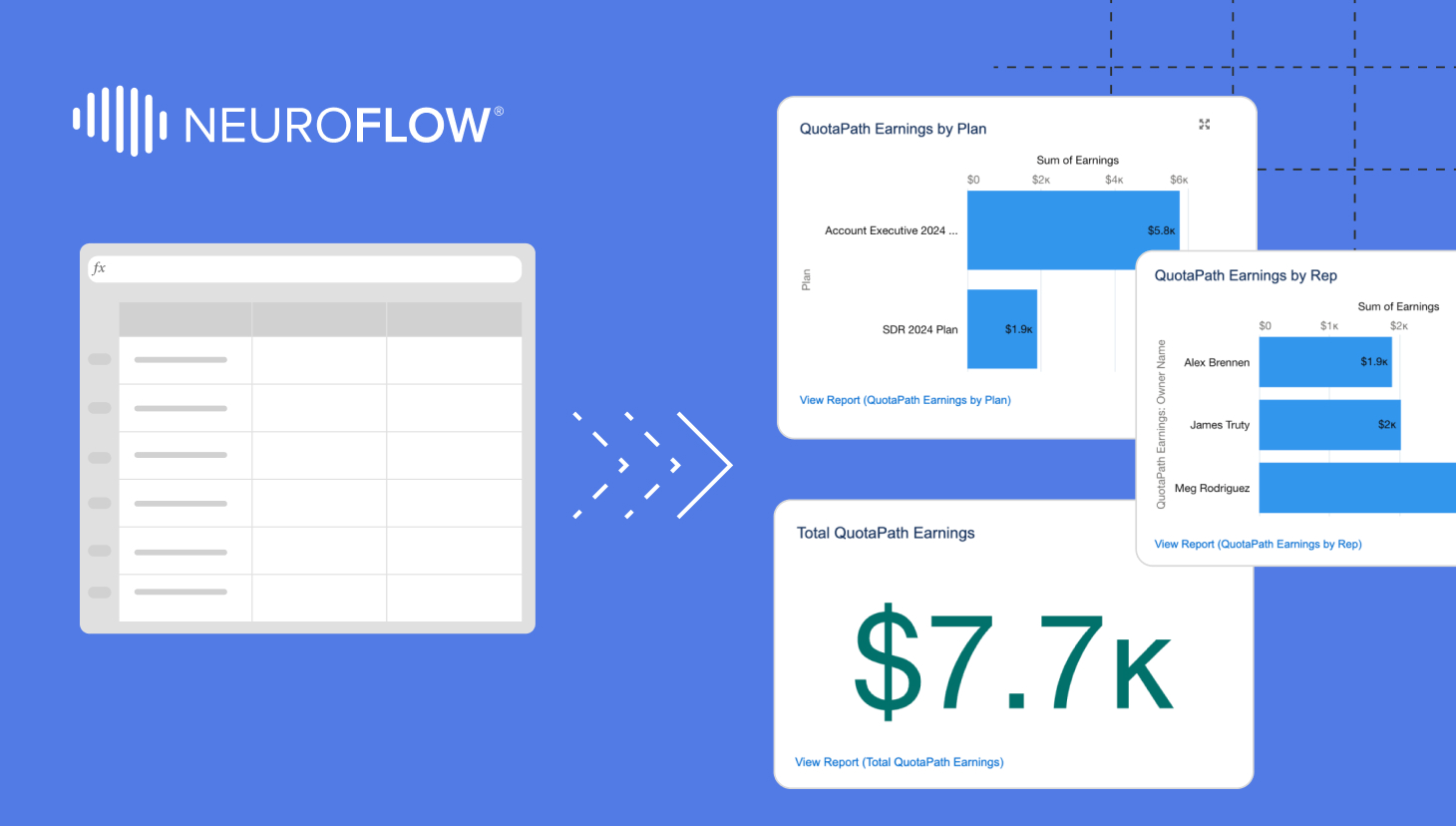
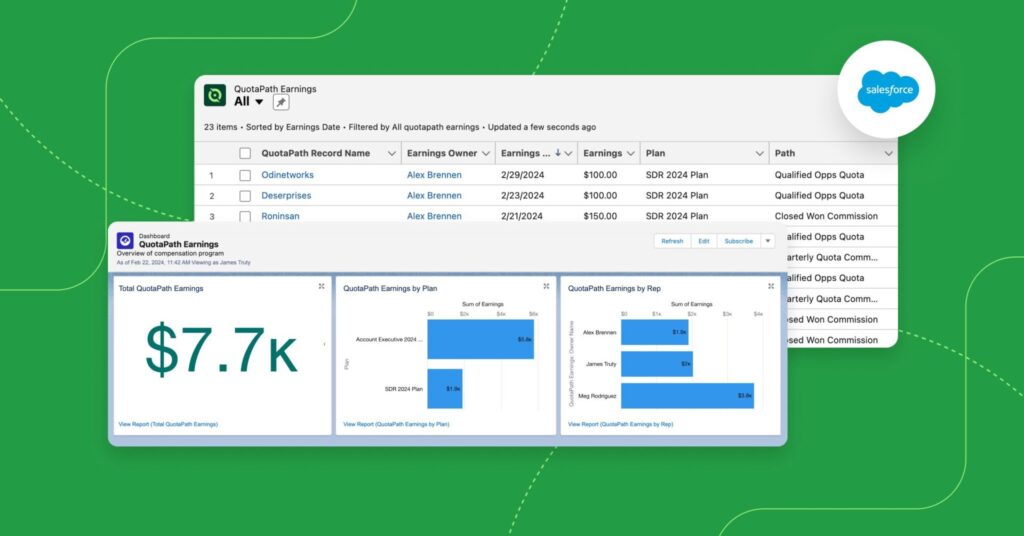



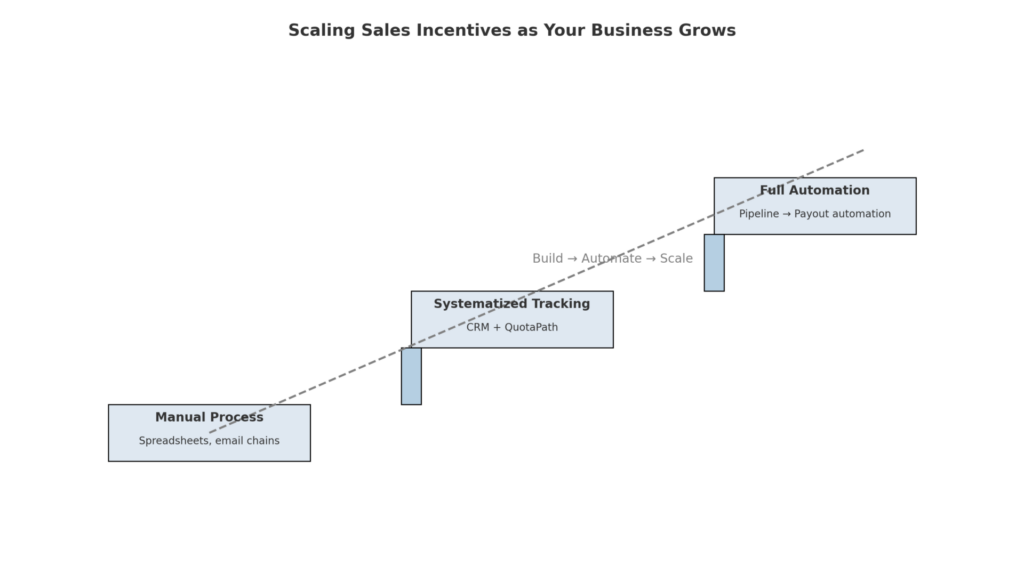

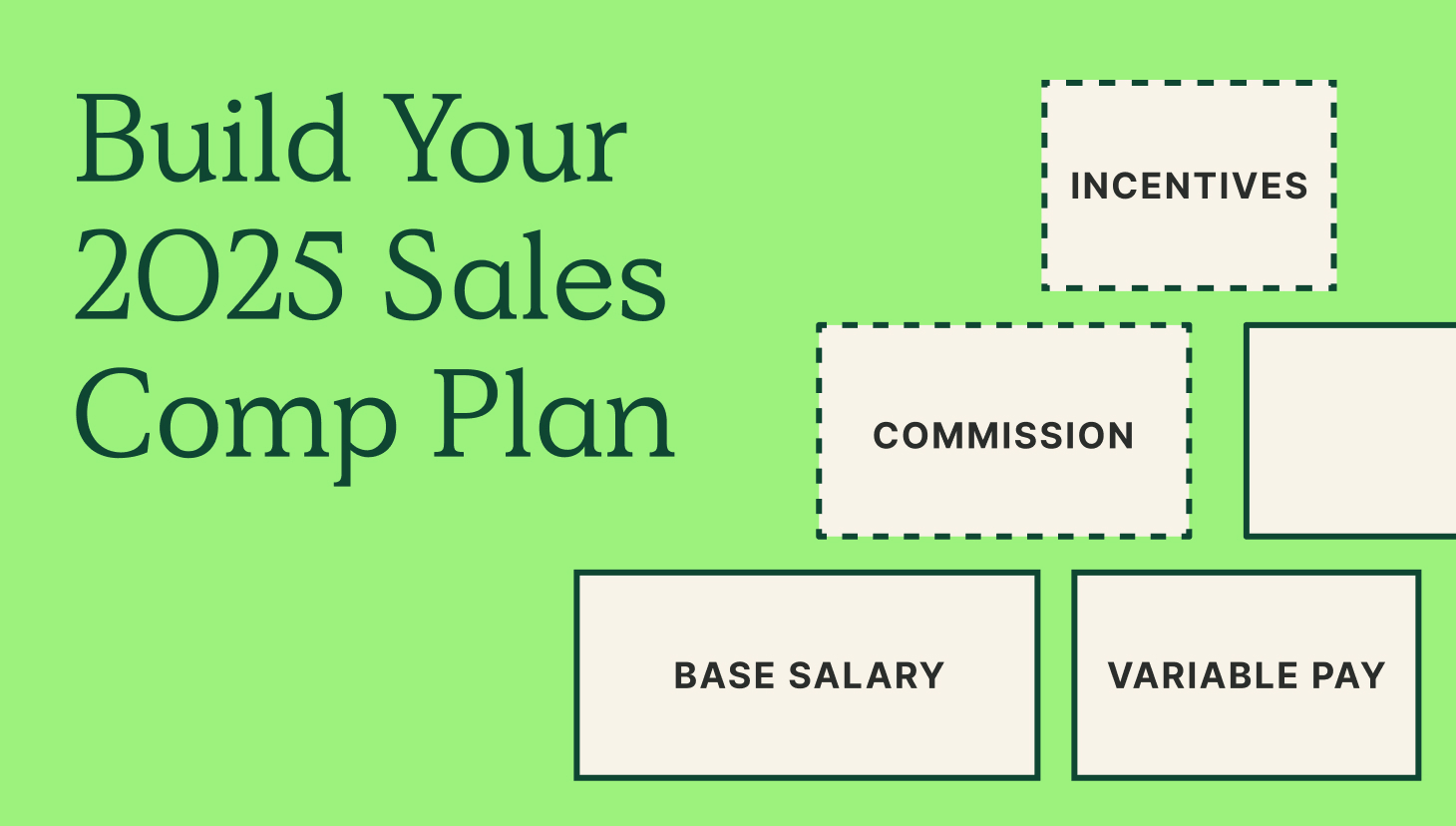
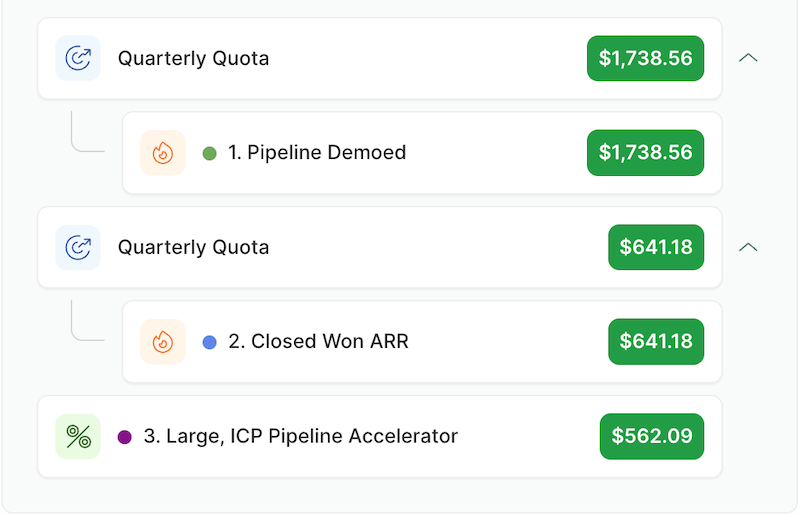
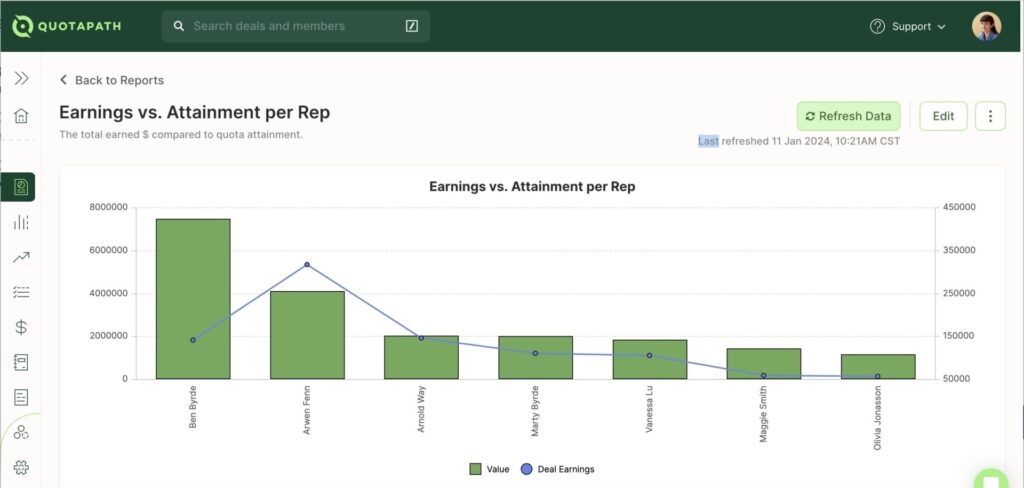


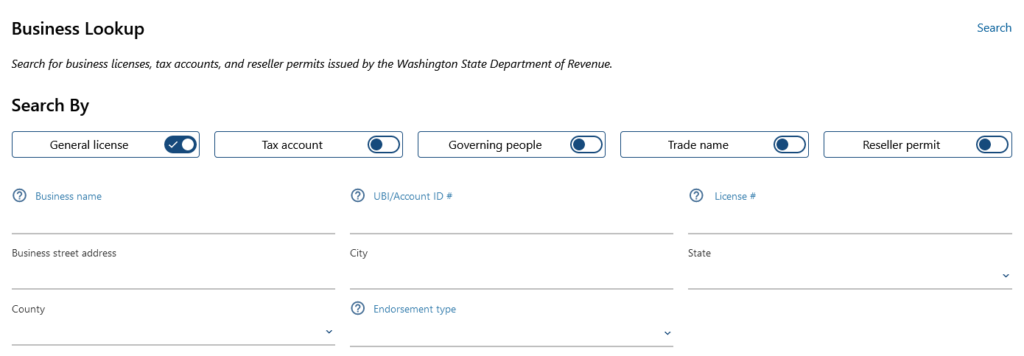

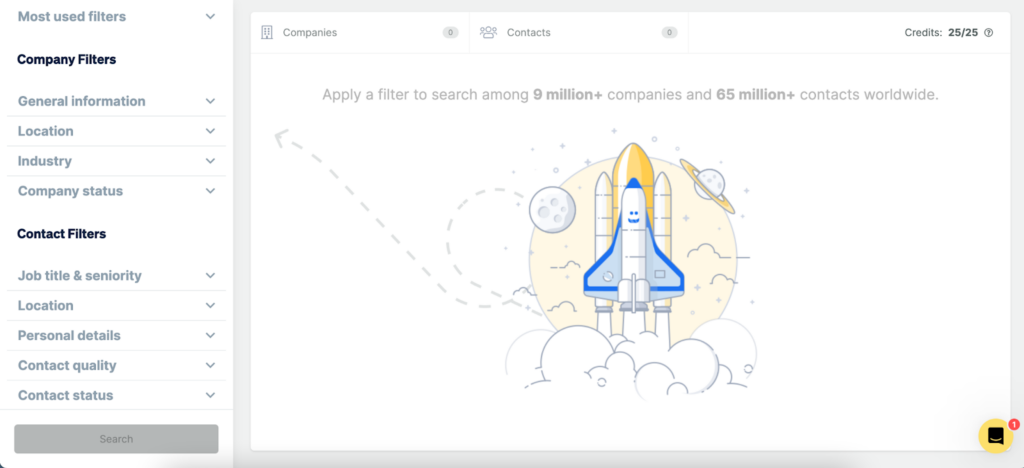




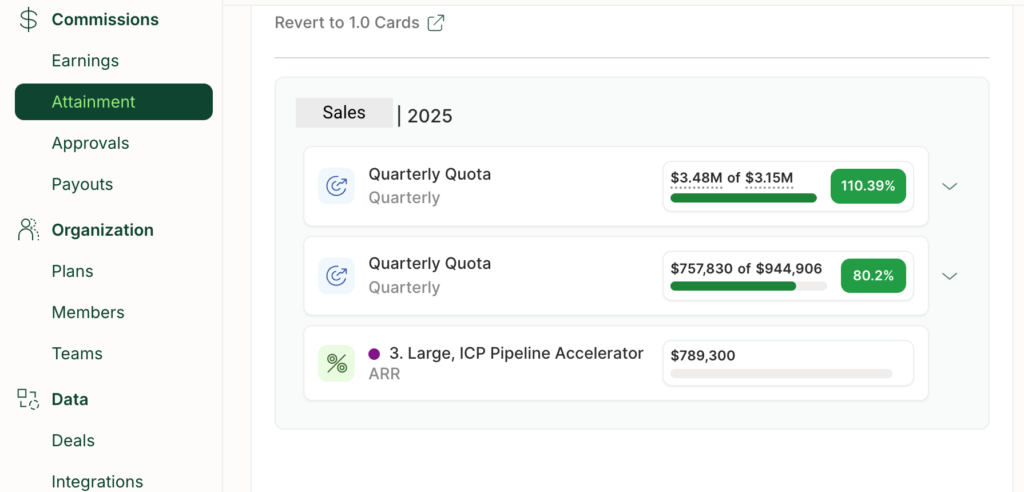
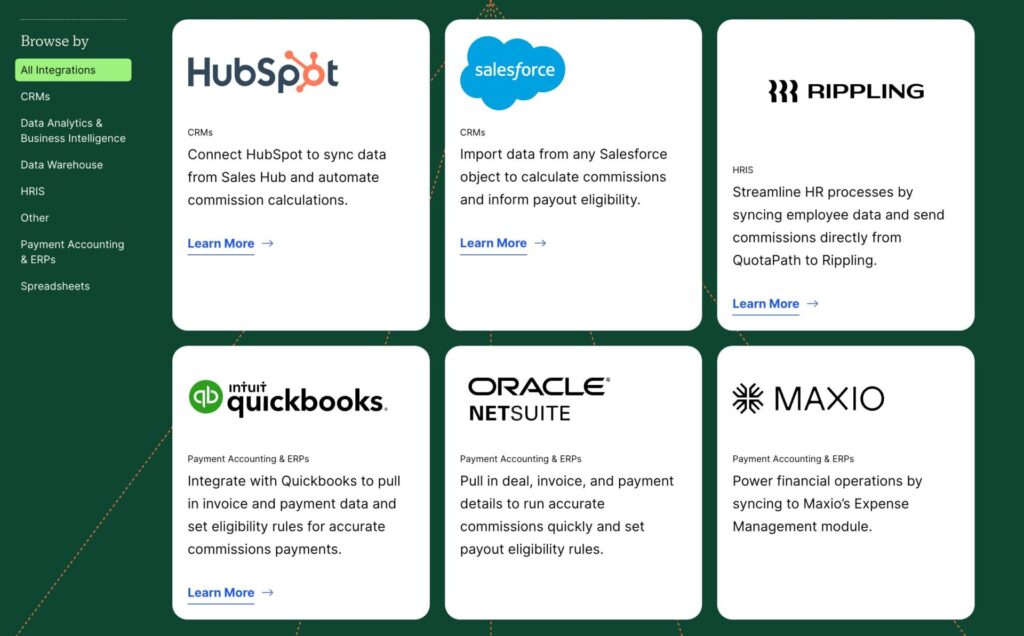

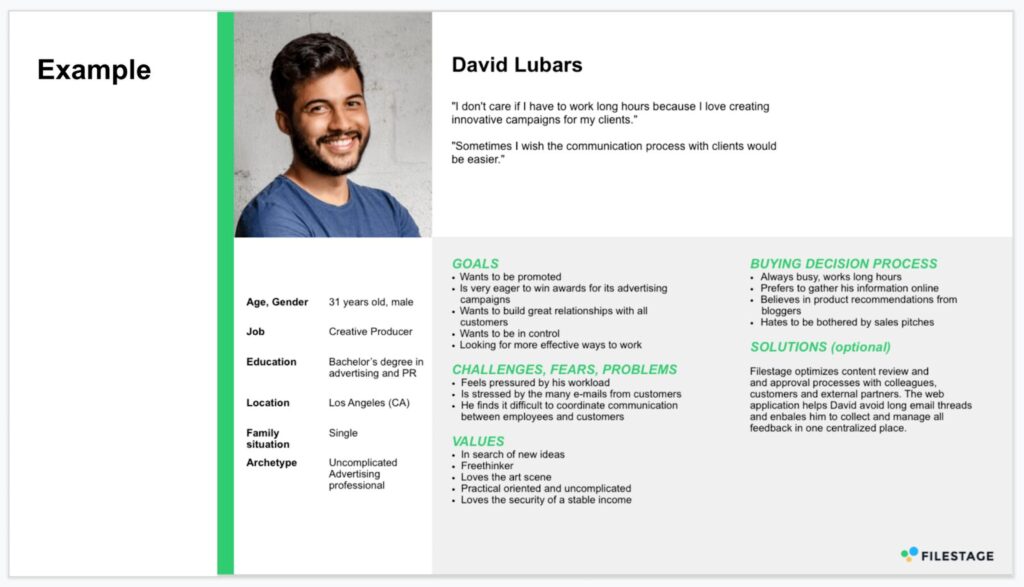

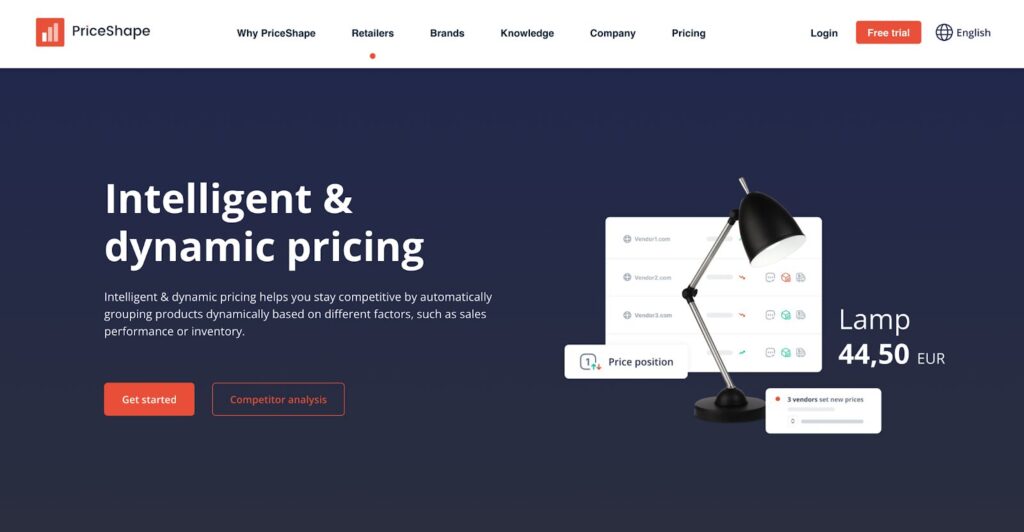


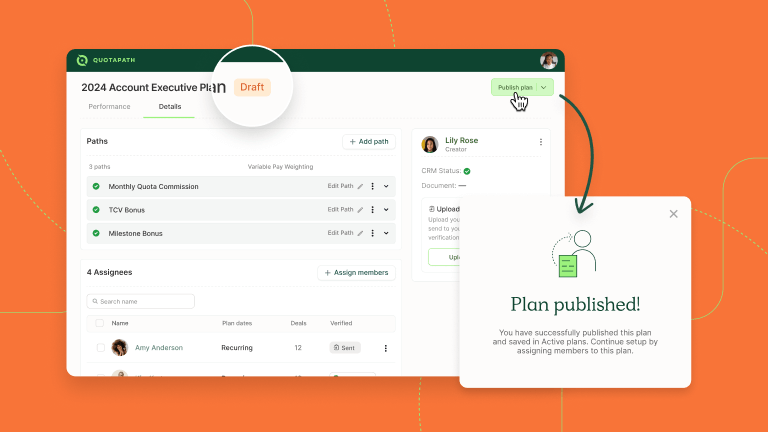

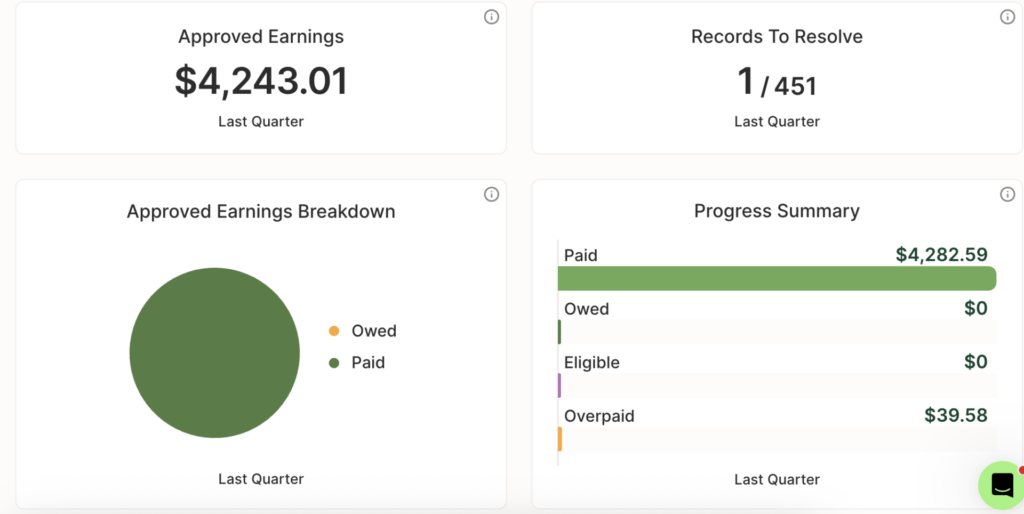
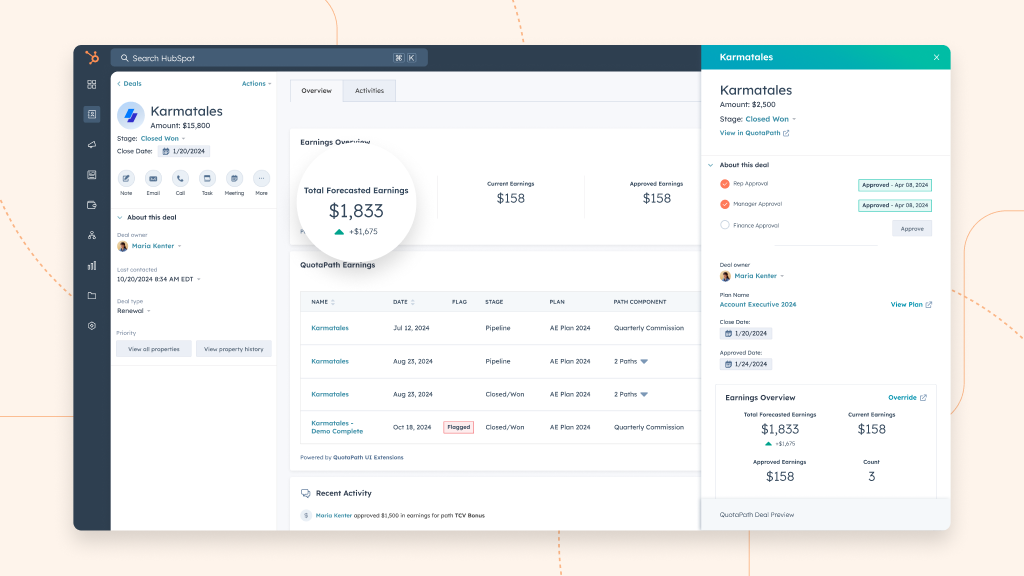
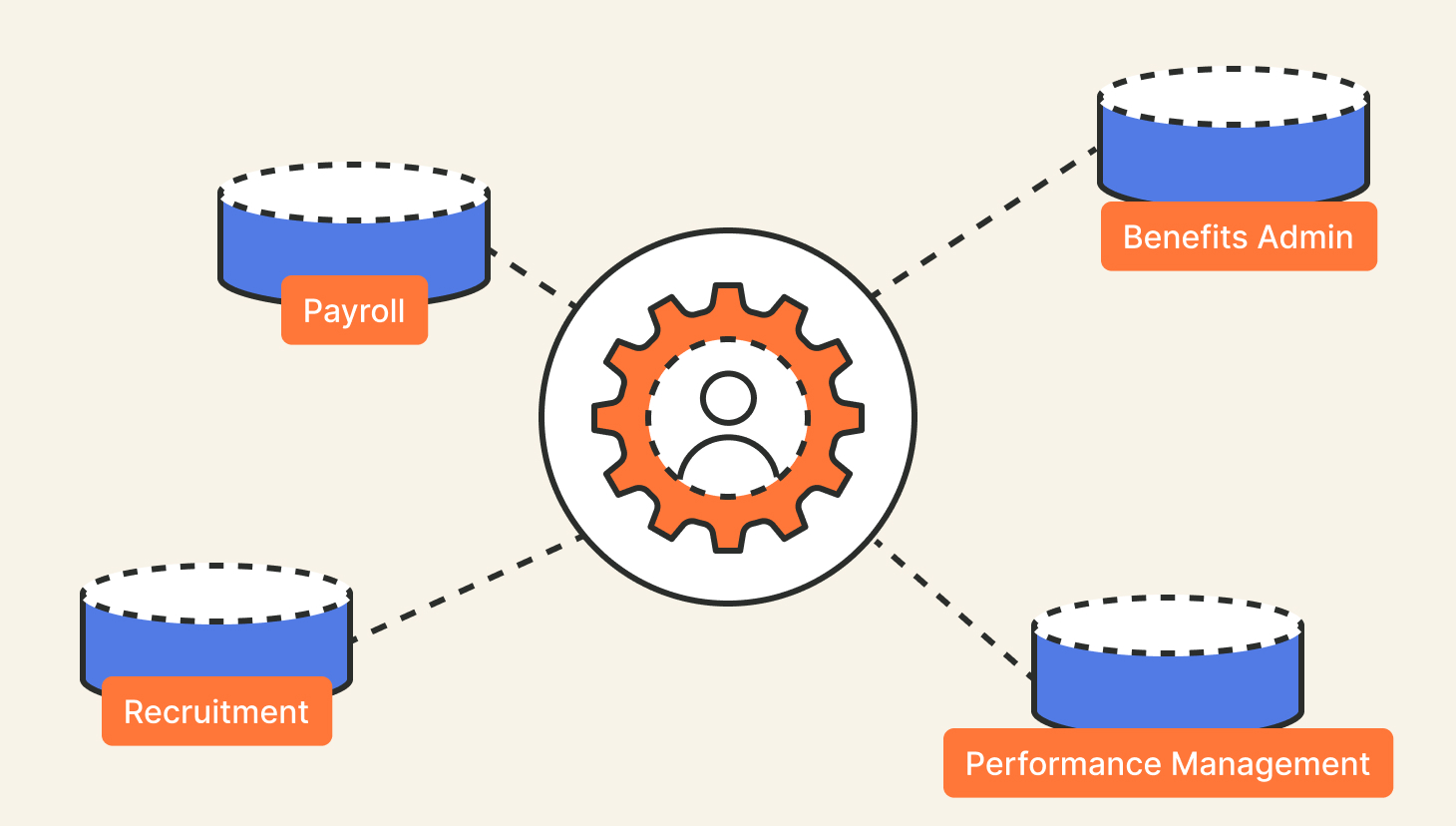
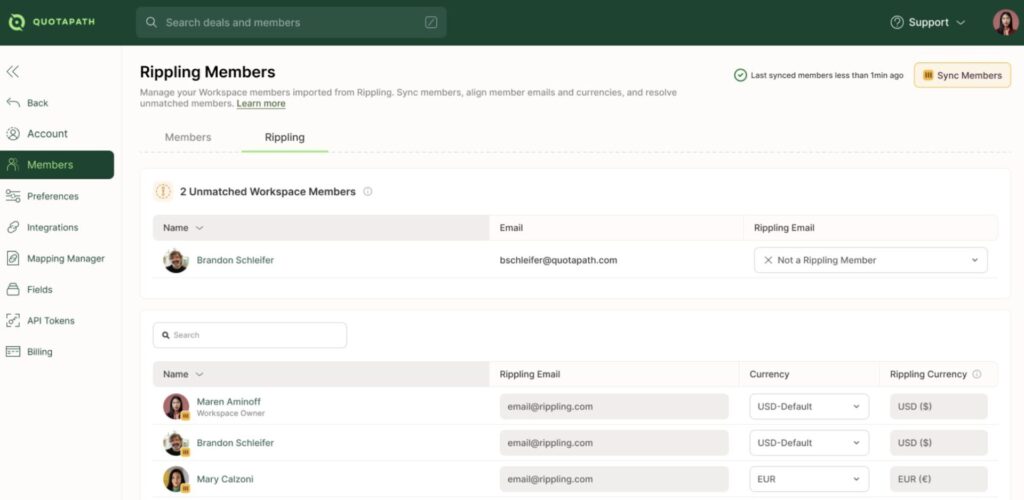
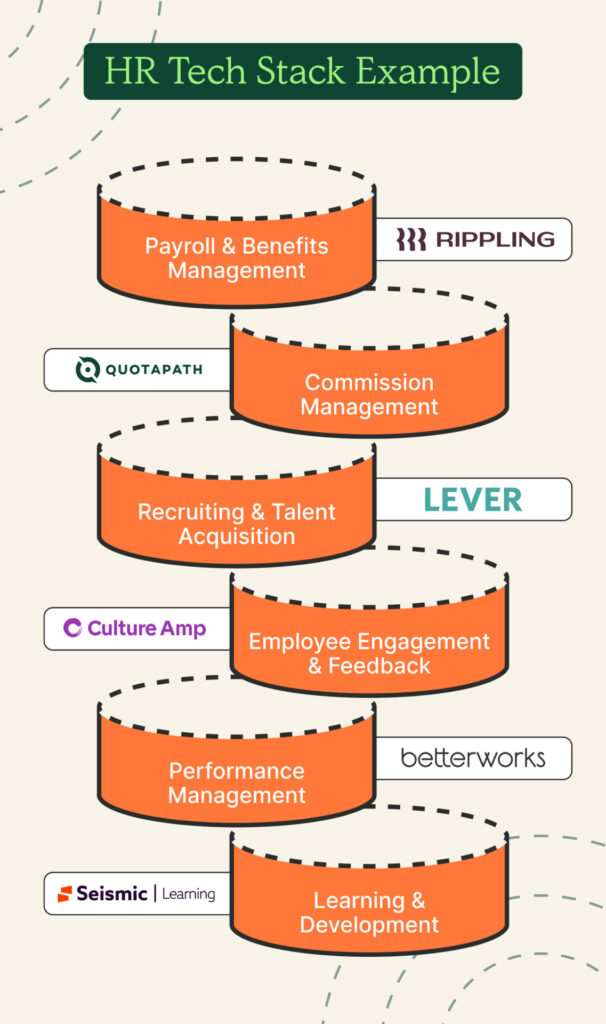
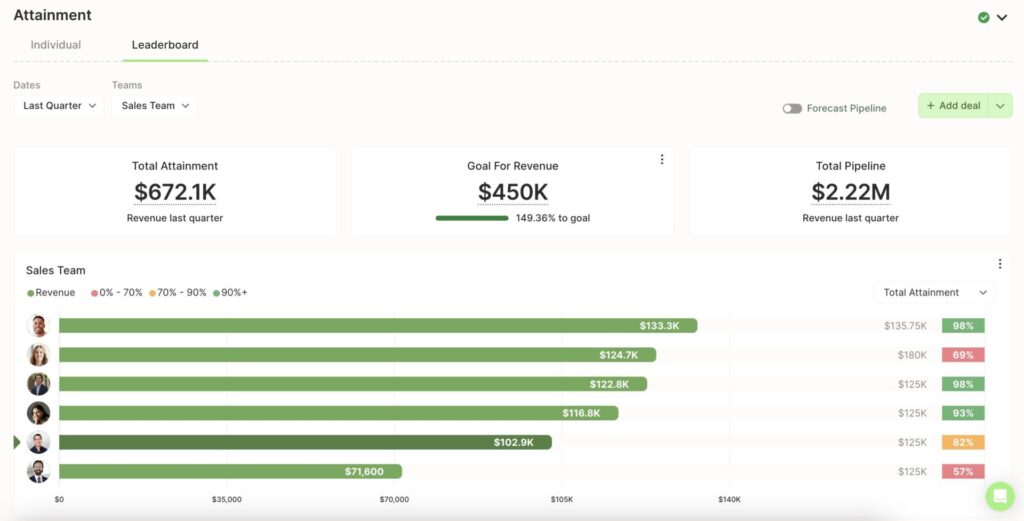
Recent Comments